


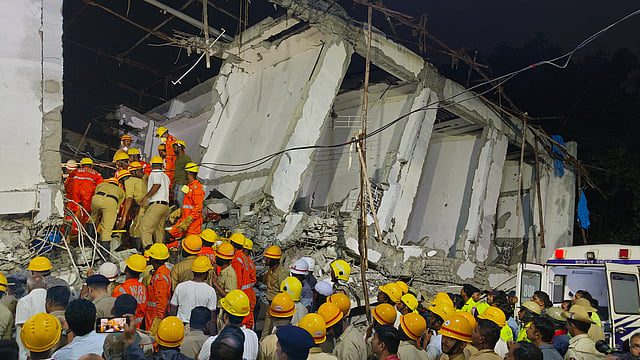
In Bengaluru, a recent disaster management training programme has brought renewed attention to the importance of preparedness in rapidly expanding urban environments.
Conducted with participation from civic personnel and emergency responders, the initiative aimed to strengthen response capabilities in the face of increasing climate-related and urban risks.As cities grow denser, the complexity of managing emergencies—from flooding and fires to infrastructure failures—has intensified.Experts note that preparedness is no longer limited to reactive measures but requires continuous capacity-building across agencies.Training programmes play a critical role in ensuring that first responders can coordinate effectively during high-pressure situations, minimising risk to life and property.The exercise focused on equipping participants with practical skills, including emergency response protocols, coordination strategies, and resource management. Urban planners highlight that such initiatives are essential for building institutional resilience, particularly in cities like Bengaluru where rapid development has introduced new vulnerabilities.From a climate perspective, the frequency and intensity of extreme weather events are expected to rise, making disaster readiness a central component of urban planning.Flooding, for instance, has become a recurring issue in several parts of Bengaluru due to changing rainfall patterns and constrained drainage systems. Strengthening response mechanisms can help mitigate immediate impacts while longer-term infrastructure solutions are developed.
The training also underscores the need for integrated governance. Effective disaster management requires coordination between multiple agencies, including municipal bodies, health services, and law enforcement. Experts suggest that regular drills and simulations can improve communication channels and reduce response times during actual emergencies.There are broader implications for urban infrastructure and policy. Preparedness efforts must be complemented by investments in resilient systems, such as improved drainage, robust building standards, and early warning technologies. Analysts argue that combining preventive planning with responsive capabilities is key to reducing overall risk.Community involvement is another critical factor. Public awareness and participation can significantly enhance the effectiveness of disaster response, as informed citizens are better equipped to act during emergencies.Incorporating community training into broader programmes could further strengthen resilience at the neighbourhood level.As Bengaluru continues to evolve, initiatives like disaster management training highlight a shift towards more proactive urban governance. Building a resilient city will depend not only on infrastructure upgrades but also on the readiness of institutions and communities to respond to unforeseen challenges.
Looking ahead, scaling such training programmes and integrating them into regular civic operations could help ensure that Bengaluru remains better prepared for a range of risks, supporting safer and more sustainable urban development.
Also Read:Bengaluru Bannerghatta Road relaying begins
