


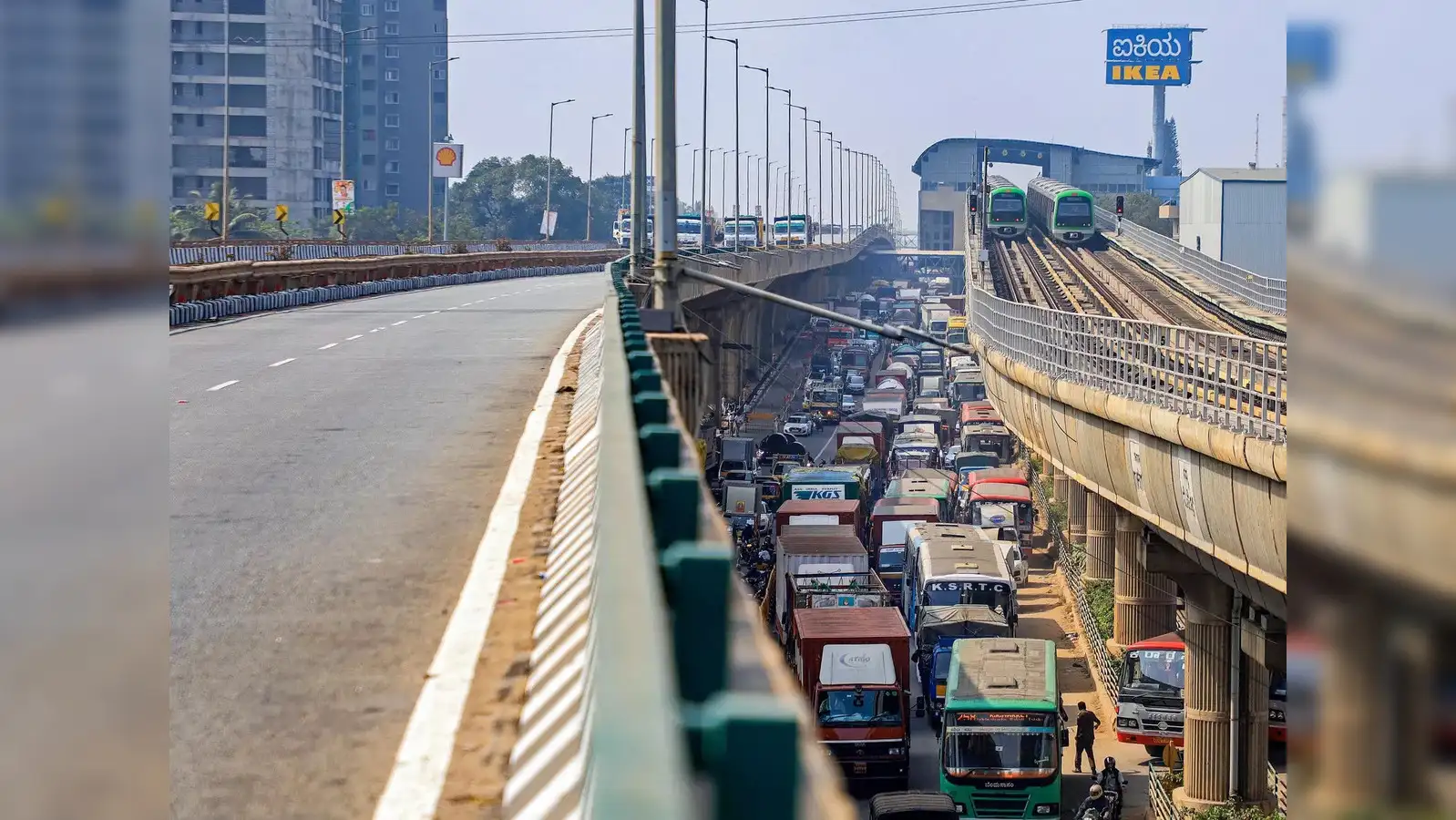
In Bengaluru, authorities have begun relaying stretches of Bannerghatta Road following months of public complaints over deteriorating road conditions.
The move reflects the growing pressure on civic agencies to address maintenance gaps in one of the city’s key transport corridors, widely used by commuters and commercial traffic.Bannerghatta Road connects residential neighbourhoods with major employment hubs, making it a critical artery in Bengaluru’s urban mobility network. Poor road conditions had led to slower traffic movement, vehicle damage, and safety concerns, particularly during peak hours. Urban mobility experts note that such issues not only affect commute efficiency but also have broader economic implications by increasing travel time and operational costs.The relaying work is part of ongoing efforts to improve road quality across the city, where infrastructure wear and tear has become a recurring challenge. Frequent utility cuts, heavy traffic loads, and inconsistent maintenance practices have contributed to rapid deterioration of road surfaces. Experts argue that adopting more durable construction materials and standardised maintenance protocols could help extend the lifespan of urban roads.From a planning perspective, the episode highlights the importance of lifecycle management in infrastructure development. While new projects often receive priority, maintaining existing assets is equally critical for ensuring long-term urban efficiency.
Neglecting routine upkeep can lead to higher repair costs and greater disruption over time.There are also sustainability considerations.Poorly maintained roads can increase fuel consumption and emissions due to stop-and-go traffic conditions. Improving surface quality can enhance traffic flow, reduce vehicle wear, and contribute to lower environmental impact. Integrating road repairs with broader mobility strategies, such as public transport improvements and pedestrian infrastructure, can further strengthen outcomes.Residents and civic groups have emphasised the need for more responsive governance, pointing out that timely intervention could have prevented prolonged inconvenience.Experts suggest that digital monitoring systems and citizen feedback platforms can help authorities identify issues earlier and prioritise repairs more effectively.The relaying of Bannerghatta Road also underscores the interconnected nature of urban infrastructure. Coordinating roadworks with utilities such as water, sewage, and telecom services is essential to avoid repeated disruptions. Integrated planning can reduce the need for frequent excavation and improve overall service delivery.
As Bengaluru continues to expand, ensuring the reliability of its core infrastructure will be key to sustaining growth. The current repairs mark a step towards addressing immediate concerns, but long-term resilience will depend on systematic maintenance, better planning coordination, and a stronger focus on quality standards across the city’s road network.
Also Read:Bengaluru hospitality sector taps summer demand
