


West Bengal is reportedly searching for an alternative location for a proposed nuclear power plant after Haripur and Nayachar in East Midnapore were rejected amid concerns over possible public resistance, The Telegraph reported on Sunday, citing unnamed government and official sources.
The report said senior Reliance Group officials proposed setting up the plant in Bengal during a meeting with Chief Minister Suvendu Adhikari and Chief Secretary Manoj Agarwal at Nabanna in September. A state government official was earlier quoted as saying that the project could involve investment of about ₹2 lakh crore over six to seven years.
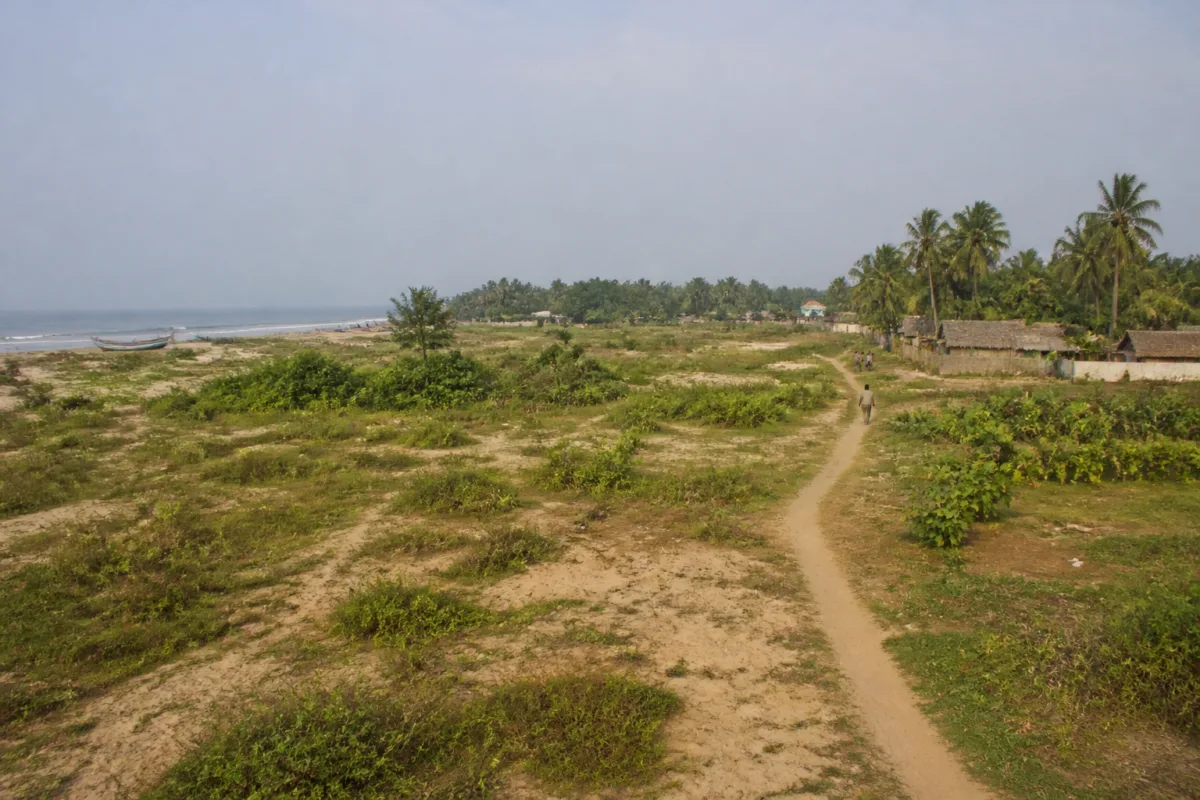
The reported proposal has placed land availability and public consent at the centre of the state’s efforts to attract a major industrial investment. Haripur, a coastal village near Contai, was identified as the preferred location, according to the report. The site covers about 2,000 acres and had previously been approved by the Nuclear Power Corporation of India Ltd (NPCIL) for a proposed 1,000MW project that was abandoned after local opposition.
The earlier Haripur proposal dates to the early 2000s, when the Left Front government considered a nuclear project with technical collaboration from Russia. Resistance from local residents, supported by the Trinamool Congress and some Left parties, became a major political issue. The Trinamool Congress government formally scrapped the project in August 2011.
According to the report, Nayachar, an island near Haldia, was subsequently considered as an alternative. Officials were quoted as saying that the location was also rejected because of concerns about land-related unrest near Haldia, an established industrial hub. The island is described as having only a small population of fishermen.
The state has announced that it will use a combination of direct land purchases and land pooling to arrange land for investors under its industrial promotion policy. The Telegraph reported, however, that a formal land policy has not yet been released.
The search is complicated by the land requirements and siting characteristics associated with nuclear facilities. The report cited an unnamed source as saying that India’s seven operational nuclear power plants are located in isolated areas, mostly along the coast, while West Bengal has limited availability of large, isolated tracts of land.
If confirmed, the reported shift away from Haripur and Nayachar would underline the difficulty of locating large infrastructure projects in areas where land ownership, livelihoods, environmental conditions and public acceptance overlap. It would also revive questions about how the state intends to balance investment promotion with transparent consultation and a clearly defined land-acquisition framework.
The central claims in the report—including the formal Reliance proposal, the rejection of the two sites and the ongoing search for an alternative—require confirmation from the West Bengal government, Reliance Group and NPCIL. The report does not provide public statements from those entities confirming the project’s current status.

