


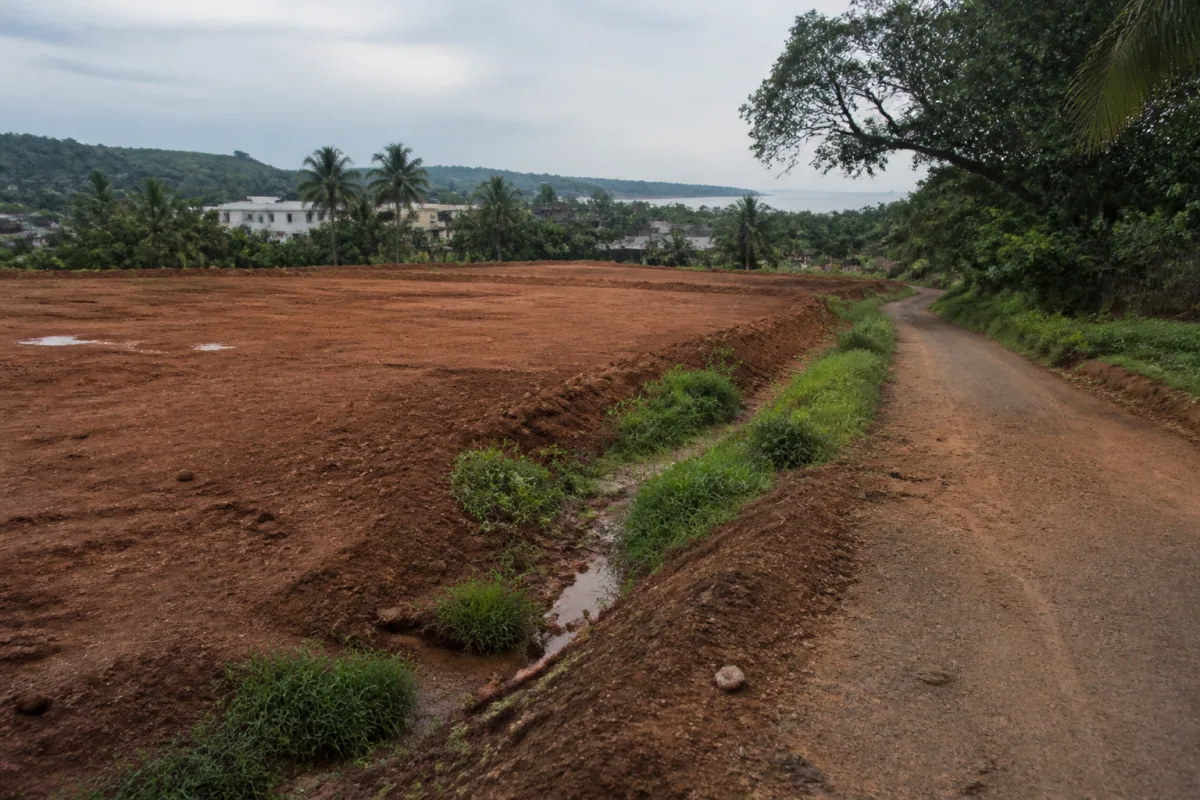
A representation by Anjuna’s Biodiversity Management Committee has brought alleged earthwork, land alterations and event-related activity on Comunidade land in Survey No. 206/1 under scrutiny, raising questions about coastal regulation, disaster preparedness and environmental oversight in the North Goa village.
In the representation dated November 21, BMC Chairperson Ramesh Naik sought immediate intervention from multiple government authorities. The committee alleged that the site falls within a Coastal Regulation Zone No Development Zone and a Disaster Management Zone identified in the Regional Plan. These classifications and the status of permissions remain matters for the relevant authorities to verify.
The BMC has demanded that further earthwork, levelling, vegetation removal and other potentially damaging activity be halted until statutory permissions and environmental clearances are examined. It has also sought a joint inspection of the site.
According to the committee, altering the natural terrain could disturb drainage patterns, increase surface runoff and contribute to soil erosion. These concerns are particularly relevant where land-use changes and temporary event infrastructure may interact with existing slopes, natural water flows and access arrangements. The representation does not establish that such impacts have occurred; it asks authorities to assess the risk before activity continues.
The Goa Coastal Zone Management Authority has been asked to verify the exact coastal classification of the property and determine whether any permissions, clearances or exemptions have been issued. The BMC has also sought copies of event permissions, no-objection certificates, CRZ clearances, earthwork approvals, sound permissions and site-safety assessments.
The committee’s concerns extend beyond coastal regulation. It has asked the North Goa District Disaster Management Authority to assess whether large gatherings at the site could increase risks linked to flooding, waterlogging, slope instability, soil erosion and emergency access. The request places event-site planning within a wider question of whether temporary commercial activity is being assessed against the location’s reported disaster-management designation.
Noise and public-realm impacts are another part of the complaint. The BMC has referred to repeated events, amplified music and late-night disturbances and asked the Goa State Pollution Control Board to conduct surprise inspections and actual sound-level measurements. It has argued that commercial entertainment activity should not undermine residents’ right to a peaceful living environment.
The committee has also called for an assessment of vegetation, trees, birdlife and other fauna, along with the effects of artificial lighting, amplified sound and increased human activity on local habitats. Such an assessment would help establish whether site preparation and event operations are affecting biodiversity, rather than leaving the issue to be judged only through individual complaints.
The representation has been forwarded to the Goa Coastal Zone Management Authority, Goa State Biodiversity Board, Goa State Pollution Control Board, North Goa District Collector, Department of Environment and Climate Change, Town and Country Planning Department and Anjuna-Caisua Village Panchayat. The BMC has sought urgent statutory intervention and a written account of action taken.
The immediate public-interest issue is therefore not only whether the site has hosted events or undergone earthwork, but whether the applicable permissions, environmental safeguards and emergency arrangements are transparent and properly coordinated. The authorities’ response will determine whether the allegations lead to inspection, measurement and documentary clarification, or whether further action is considered necessary under the relevant coastal, planning, pollution and disaster-management frameworks.

