


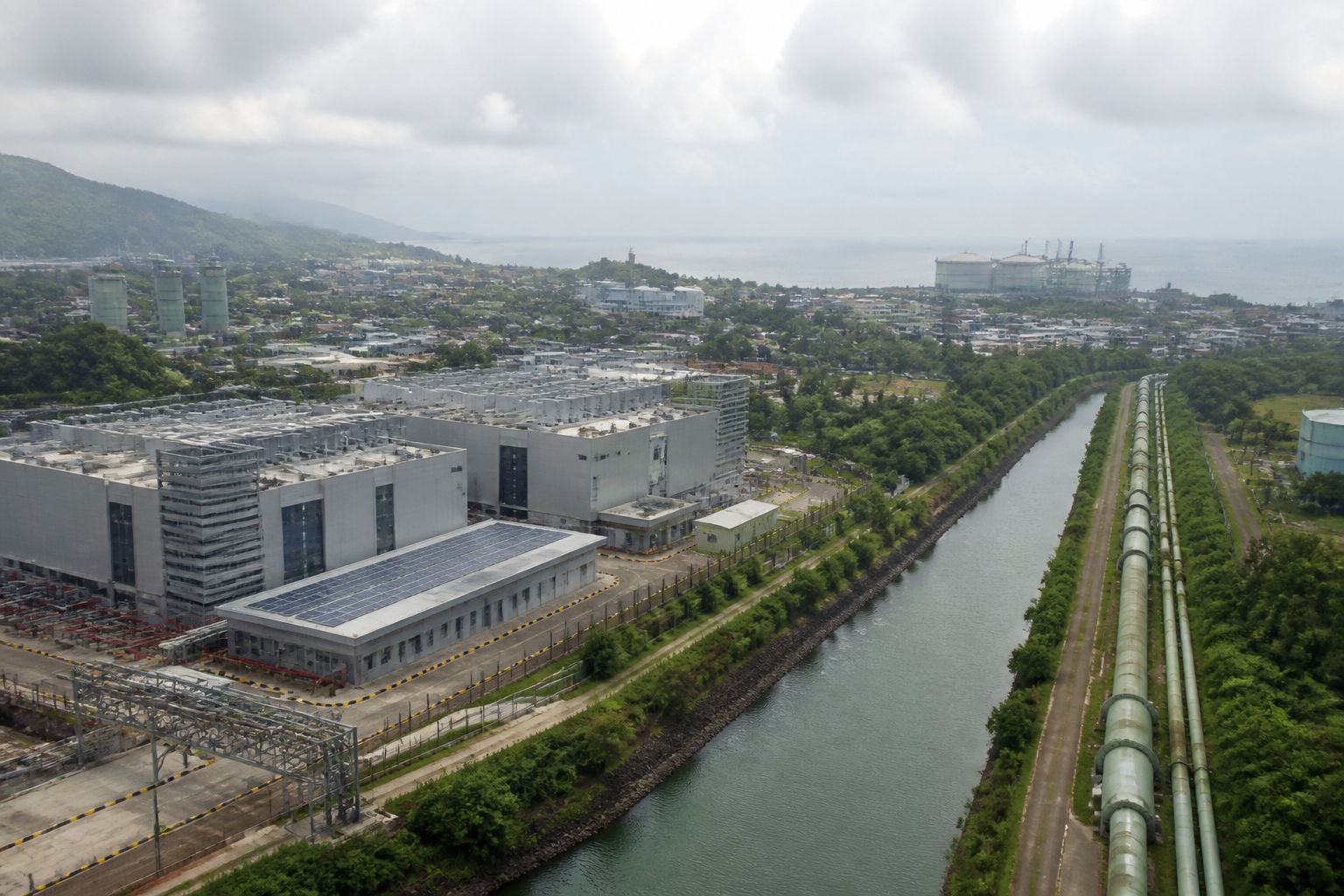
Andhra Pradesh will require data centres to source at least 70 per cent of their energy from renewable sources as the state develops Visakhapatnam as a major digital infrastructure hub, IT Minister Nara Lokesh said on September 25.
Speaking at a fireside chat organised by the Public Affairs Forum of India in New Delhi, Lokesh said the renewable-energy requirement would apply to data-centre operations planned in the state. He identified solar, wind, pumped storage and battery-based energy among the sources that could contribute to the requirement.
The state is developing a data-centre cluster in Visakhapatnam as it seeks to attract large technology investments. The proposed expansion will require reliable power and water supplies, while data centres can also place significant demands on water for cooling and on electricity for continuous operations.
Lokesh said Andhra Pradesh was addressing the energy, water and other resource requirements of data-centre growth together. “The first thumb rule is that a minimum 70 per cent of the energy used by data centres must come from renewable sources,” he said.
For water, the minister said the state planned to use supplies from the Polavaram Left Bank Canal to meet the requirements of data centres in Visakhapatnam. He said the project would help utilise water that would otherwise flow into the Bay of Bengal, with supplies moved towards the city.
The state is also offering incentives to data-centre companies to establish desalination plants, according to Lokesh. He said one company was already setting up such a facility, although the company’s name, plant capacity and commissioning timeline were not specified in the statement.
Water availability is a key consideration for the proposed cluster because data centres may use substantial quantities of water for cooling. The state’s plan therefore links digital infrastructure expansion with decisions on power sourcing, canal-based water supply and private desalination capacity.
Andhra Pradesh’s announcement comes as states compete to attract large-scale technology investments and build digital infrastructure. For Visakhapatnam, the proposed cluster would add a new industrial demand centre whose operations depend on uninterrupted electricity, dependable water access and supporting environmental infrastructure.
Lokesh described the approach as holistic, with energy, water and other environmental requirements considered alongside investment promotion. The next steps outlined by the state include developing the Visakhapatnam data-centre cluster, facilitating renewable-energy sourcing and supporting desalination facilities for participating companies.
