


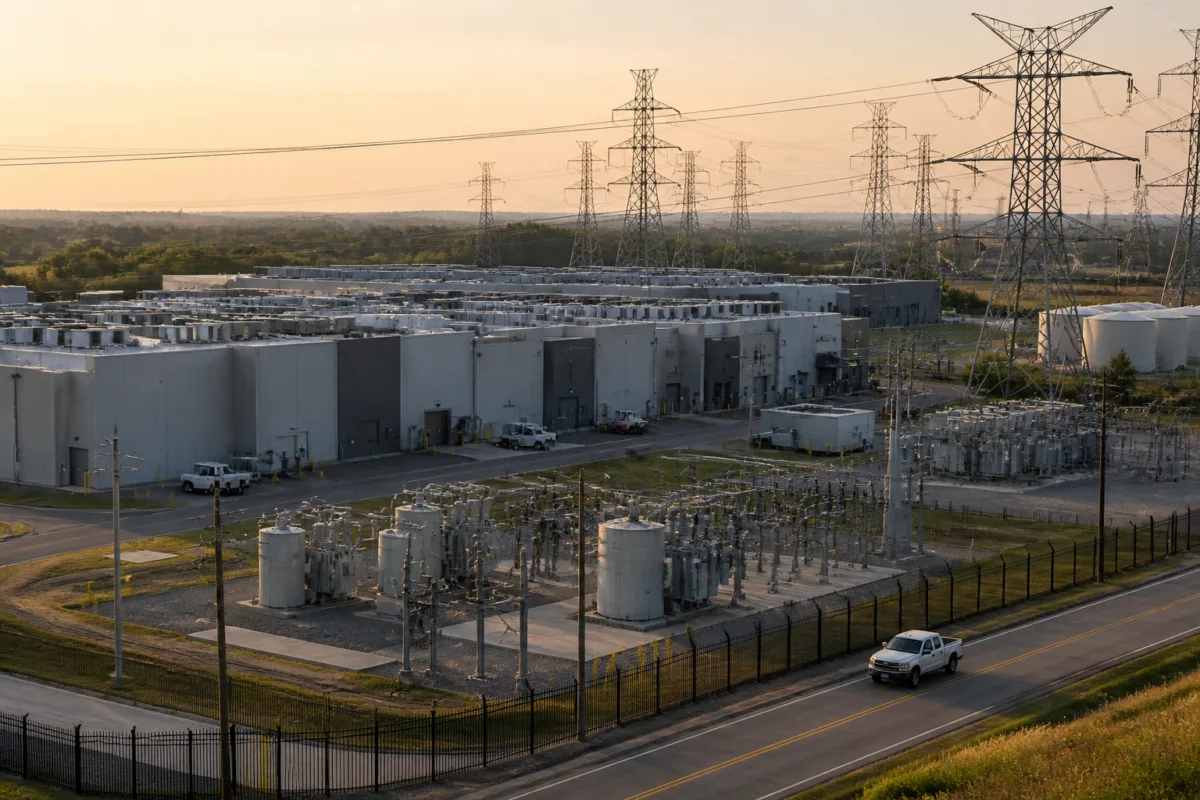
US data-centre expansion driven by artificial intelligence is expected to keep increasing electricity demand and pressure on power infrastructure through 2028, according to a Goldman Sachs report cited by Reuters.
The brokerage estimates that an additional 52 gigawatts (GW) of data-centre power capacity could come online in 2028. The increase would add to pressure on the US electricity system as technology companies build larger facilities and deploy more power-intensive infrastructure for AI applications.
Goldman Sachs said data-centre power capacity and demand in the US had risen by nearly 30% so far this year. The sector accounted for more than a third of the country’s total growth in power demand, according to the note dated Tuesday and reported by Reuters.
The figures highlight the infrastructure requirements behind the expansion of AI services. Growth is being driven not only by a rise in the number of data centres but also by larger facilities and higher power density. These changes can increase the amount of electricity required at individual sites and intensify the need for generation and grid capacity.
The expected expansion is also linked to higher natural gas demand. Goldman Sachs has maintained a bullish outlook for Henry Hub natural gas prices between 2028 and 2030, citing the potential effect of data-centre growth on fuel consumption. The brokerage’s assessment indicates that the electricity requirements of digital infrastructure could have consequences beyond the technology sector, extending to power markets and energy supply.
However, the report also identifies regulatory uncertainty as a factor that could moderate the pace of development. The November midterm elections produced Democratic gains, including victories in traditionally Republican states and in major data-centre hubs such as Texas and Georgia, Reuters reported.
Goldman Sachs expects the results to contribute to a period of divided government and greater scrutiny of data-centre development. Changes in policies governing infrastructure expansion or stronger regulatory oversight could slow new projects and reduce the expected increase in electricity consumption.
The competing pressures underline a central infrastructure challenge: data-centre investment can support the expansion of AI services, but the projects also require reliable and substantial power supplies. For utilities and public authorities, the pace of construction may therefore need to be assessed alongside generation availability, network capacity and the regulatory framework for new facilities.
Despite the possibility of tighter oversight, Goldman Sachs expects AI infrastructure to remain a major driver of US power demand in the coming years. The forecast suggests that decisions on data-centre construction will increasingly be connected to wider questions about electricity planning, fuel demand and the capacity of local and national infrastructure to support high-density digital facilities.

