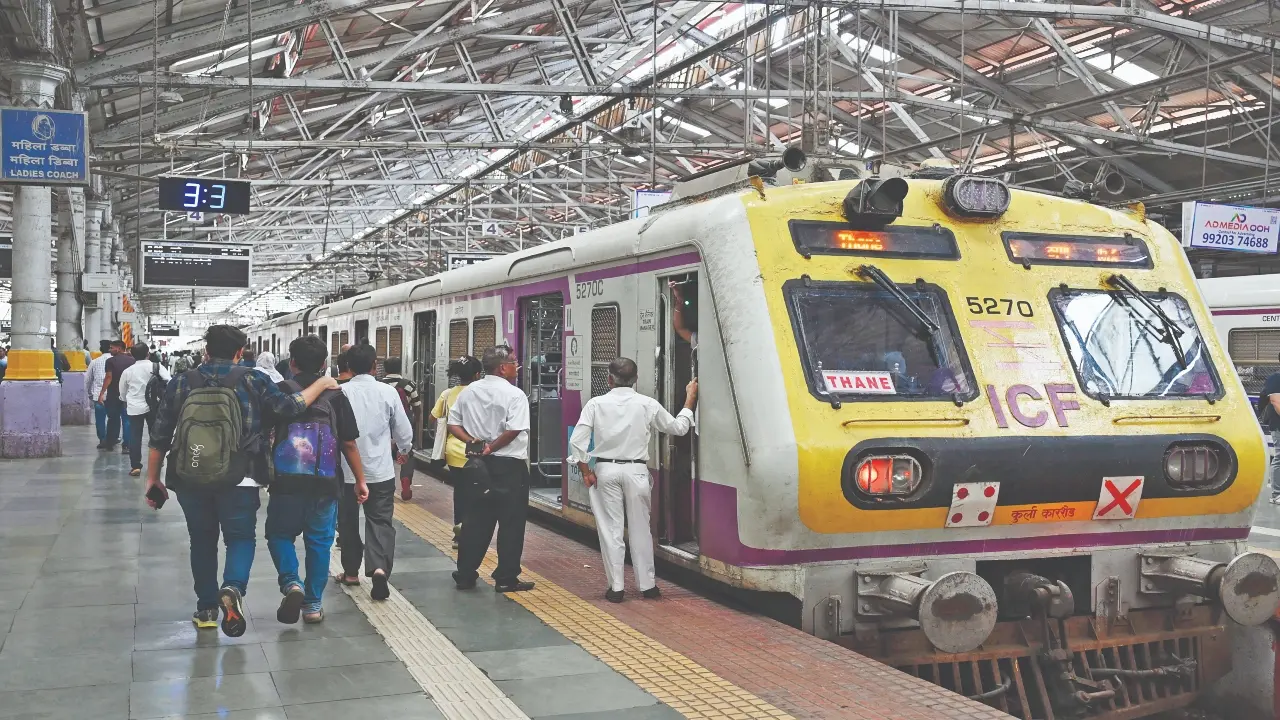
Mumbai’s suburban railway network is set to see a visible shift in commuter safety and on-ground assistance, with the Government Railway Police (GRP) beginning the rollout of dedicated helpdesks at every suburban station across the city. The move aims to make policing more accessible, reduce response times during emergencies, and improve everyday grievance redressal for the millions who rely on local trains.
The initiative addresses a long-standing gap in passenger awareness. Despite extensive policing infrastructure across the rail network, commuters often struggle to locate GRP or Railway Protection Force units during moments of distress. By positioning helpdesks at prominent, high-footfall locations within stations, authorities intend to bring law enforcement closer to passengers rather than expecting commuters to navigate complex station layouts during emergencies. According to officials familiar with the plan, the helpdesks will be strategically located near station entry and exit points, ticketing areas, and main concourses to maximise visibility. Each desk will be staffed round the clock by a mixed-gender team, reflecting a conscious effort to ensure approachability and inclusivity, particularly for women, elderly passengers, and vulnerable commuters travelling during late hours.
Beyond security concerns, the scope of the helpdesks is deliberately broad. Commuters will be able to seek assistance for lost belongings, medical emergencies, accidents on platforms or tracks, and general travel-related guidance. Senior officials described the desks as a first point of human contact in a system that increasingly relies on digital alerts and CCTV surveillance but still requires physical presence to build public trust. To ensure consistent service delivery, the GRP has issued a detailed standard operating framework covering staffing, behaviour protocols, and accountability mechanisms. Personnel deployed at the helpdesks are undergoing soft-skills training and language orientation, with preference given to multilingual staff to reflect Mumbai’s diverse commuter base. Urban transport experts note that such human-centric interventions are critical in high-density public transport systems where stress, overcrowding, and time pressure are daily realities.
Importantly, the initiative also introduces safeguards aimed at restoring public confidence. The helpdesks will operate under continuous CCTV coverage, and random inspections by senior officers are planned to ensure compliance with operational guidelines. Officials clarified that routine baggage checks will not be conducted at these desks, following past incidents where misuse of authority had led to complaints and disciplinary action. From an urban governance perspective, the move aligns with broader efforts to make public transport safer, more inclusive, and more reliable—key pillars of sustainable city planning. A safer rail network not only improves daily mobility but also encourages a shift away from private vehicles, supporting climate goals by reducing congestion and emissions.
As Mumbai continues to invest heavily in metro corridors, station upgrades, and intermodal connectivity, the success of the helpdesk programme will depend on consistent staffing, responsiveness, and public awareness. If implemented effectively, it could redefine everyday interactions between commuters and the rail police, setting a new benchmark for people-first transport infrastructure in India’s largest urban region.
Mumbai Rail Network Adds Helpdesks For Safer Commutes