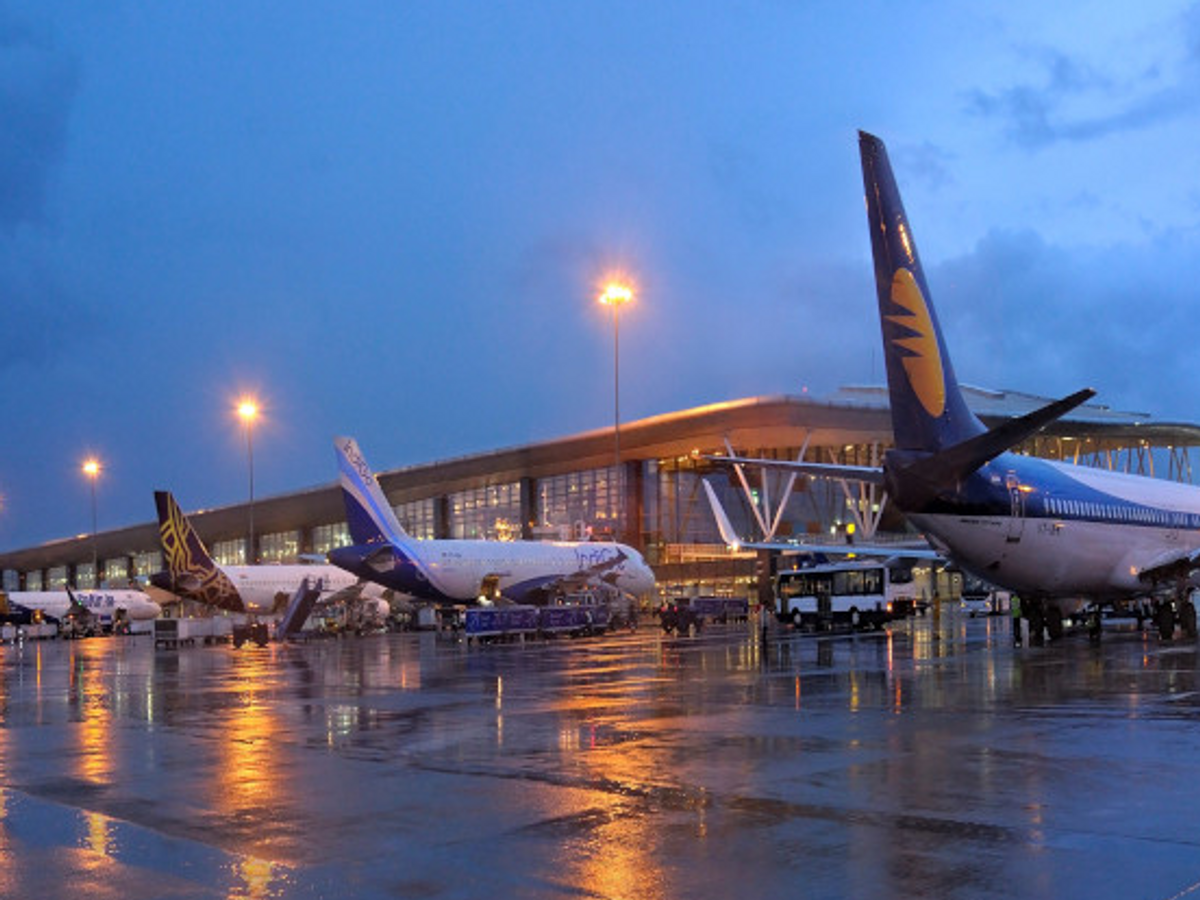
Bengaluru’s Kempegowda International Airport has overtaken Mumbai’s Chhatrapati Shivaji Maharaj International Airport in domestic flight operations for October 2025, marking a notable shift in India’s air traffic landscape. Bengaluru handled 20,819 domestic departures and arrivals , exceeding Mumbai’s 20,540 flights by 279, according to Airports Authority of India data. While the difference is modest at 1.4%, it signifies the first occasion Bengaluru has surpassed Mumbai in domestic operations.
A senior official at the Airports Authority noted that this shift reflects operational trends rather than demand. Mumbai continues to carry higher domestic passenger volumes, managing roughly 3.2 million passengers against Bengaluru’s 3.1 million , due largely to larger aircraft and higher passenger load factors. Bengaluru, by contrast, accommodates more turboprop and smaller aircraft, allowing for higher frequency but fewer passengers per flight.Industry analysts suggest this development highlights Bengaluru’s growing role as a domestic aviation hub, driven by regional connectivity and technological sector demand. “The city’s expanding IT corridor and associated business travel is increasing flight frequency, creating operational advantages,” said an aviation expert. The trend also signals opportunities for airlines and airport authorities to optimise slot allocations, fleet mix, and passenger services.
Despite Bengaluru’s domestic lead, Mumbai remains the nation’s top international gateway, handling more than twice the international traffic of Bengaluru. This international dominance ensures Mumbai still surpasses Bengaluru in total air traffic. Historically, Mumbai led both domestic and international operations until 2010, when Delhi surpassed it in total traffic.From a broader urban development perspective, the shift underscores the evolving dynamics of city connectivity, regional economic growth, and the need for sustainable airport expansion.
Bengaluru’s airport growth offers insights into balancing operational efficiency with environmental and social sustainability, particularly given India’s push toward net zero emissions and eco-friendly aviation practices.Officials also emphasise infrastructure readiness to manage future growth, including green airport initiatives, improved multimodal connectivity, and passenger-centric services, ensuring both cities adapt to rising air travel demand while maintaining safety and sustainability.
Bengaluru Airport Surpasses Mumbai In Domestic Flights October Twenty Five