Bengaluru Residents Seek More Parks Across Neighbourhoods
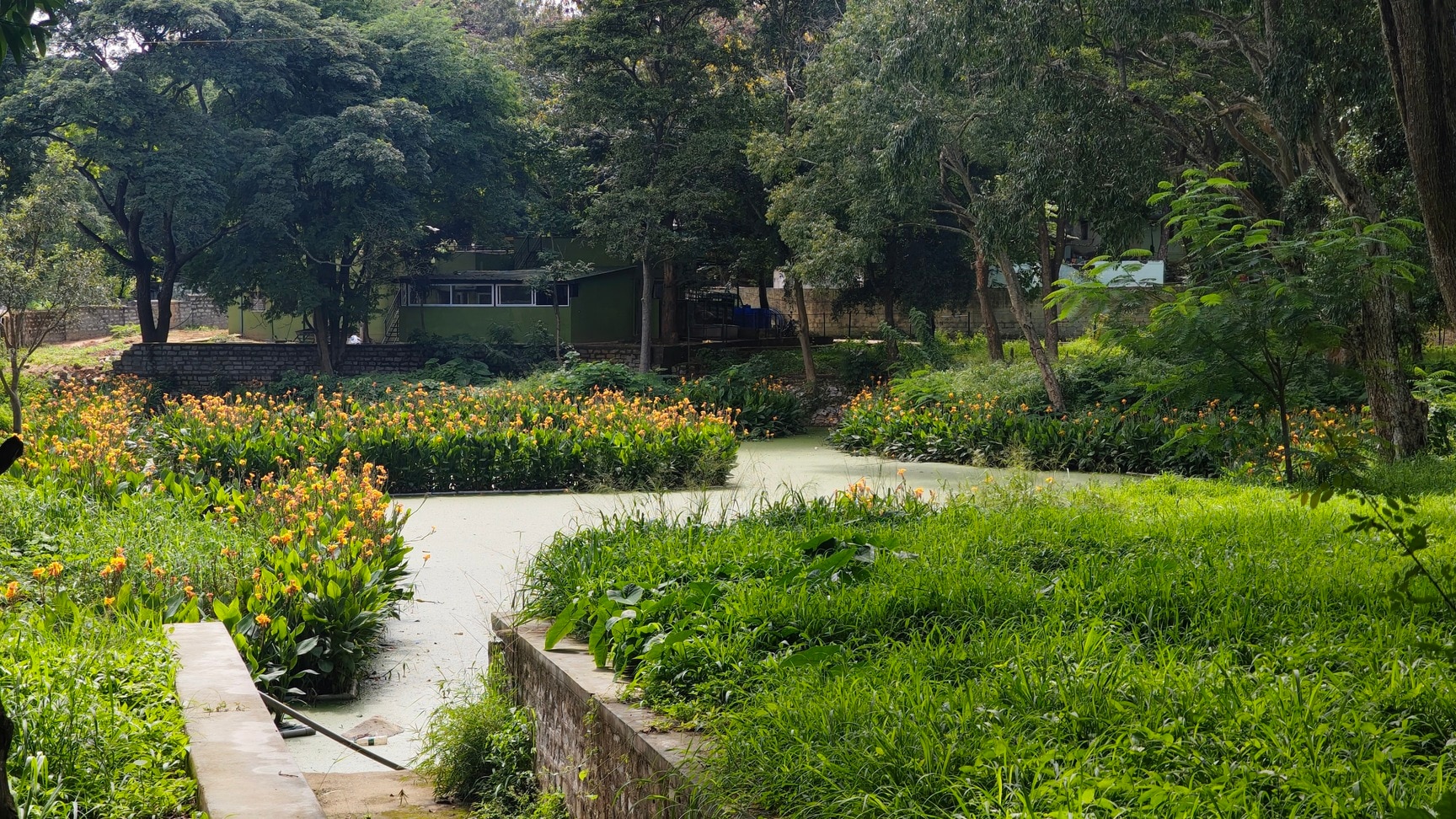
Bengaluru residents are calling for more neighbourhood parks and public open spaces as rapid development continues to increase pressure on the city’s remaining greenery. The demand reflects a broader urban challenge: ensuring that expanding residential areas retain accessible places for recreation, shade and everyday community life rather than allowing open land to be steadily absorbed by construction.
The issue has gained attention amid concerns over the city’s limited availability of usable public green space. Residents argue that parks should not be treated as optional amenities, particularly in densely populated neighbourhoods where private gardens and large open areas are increasingly scarce.Urban green spaces perform several functions at once. Parks provide places for walking, exercise and social interaction, while trees can reduce local temperatures, absorb some stormwater and improve air quality. For children, older residents and people without access to private outdoor areas, a nearby park can be particularly important. The location of green space matters as much as the overall acreage. A large park on the edge of a neighbourhood cannot fully replace smaller, walkable spaces distributed within residential areas. Urban planners increasingly emphasise access within a short walking distance, allowing residents to use parks without depending on cars or two-wheelers.Bengaluru’s development pattern makes this challenge more complicated.
New housing, commercial projects and road infrastructure are increasing demand for land, while established neighbourhoods have limited opportunities to create large new parks. Protecting existing public land and converting suitable underused parcels into community spaces could therefore be more practical than relying solely on new land acquisition. The debate also raises questions about the quality of existing parks. A green space may be counted in planning records but remain difficult to use if it lacks safe entrances, lighting, accessible paths, seating, toilets or regular maintenance. For women, children, older people and residents with disabilities, these features can determine whether a park is genuinely accessible.Climate resilience adds another dimension. Bengaluru’s increasingly built-up surfaces can intensify heat and reduce the ground available to absorb rainfall. Well-designed parks, particularly when connected to drainage channels and other green infrastructure, can help create pockets of cooling and support stormwater management. Citizen demand for more parks therefore goes beyond a preference for attractive neighbourhoods. It reflects the need for public infrastructure that supports physical wellbeing, social interaction and climate adaptation.
For Bengaluru, the next challenge is to make green-space planning part of mainstream urban development rather than an afterthought. Protecting existing parks, improving their accessibility and identifying opportunities for smaller community spaces could help ensure that the city’s growth does not come at the expense of everyday access to nature.