


Arya Communications and Electronics Services Private Limited has emerged as the lowest bidder for the contract to design and supply the radio communication system for Metro Lines 7A and 9, including the Dongri Depot. The contract, valued at ₹35.40 crore, has been tendered by the Delhi Metro Rail Corporation (DMRC) and is expected to be completed within 30 months of the Letter of Acceptance (LoA) being issued.
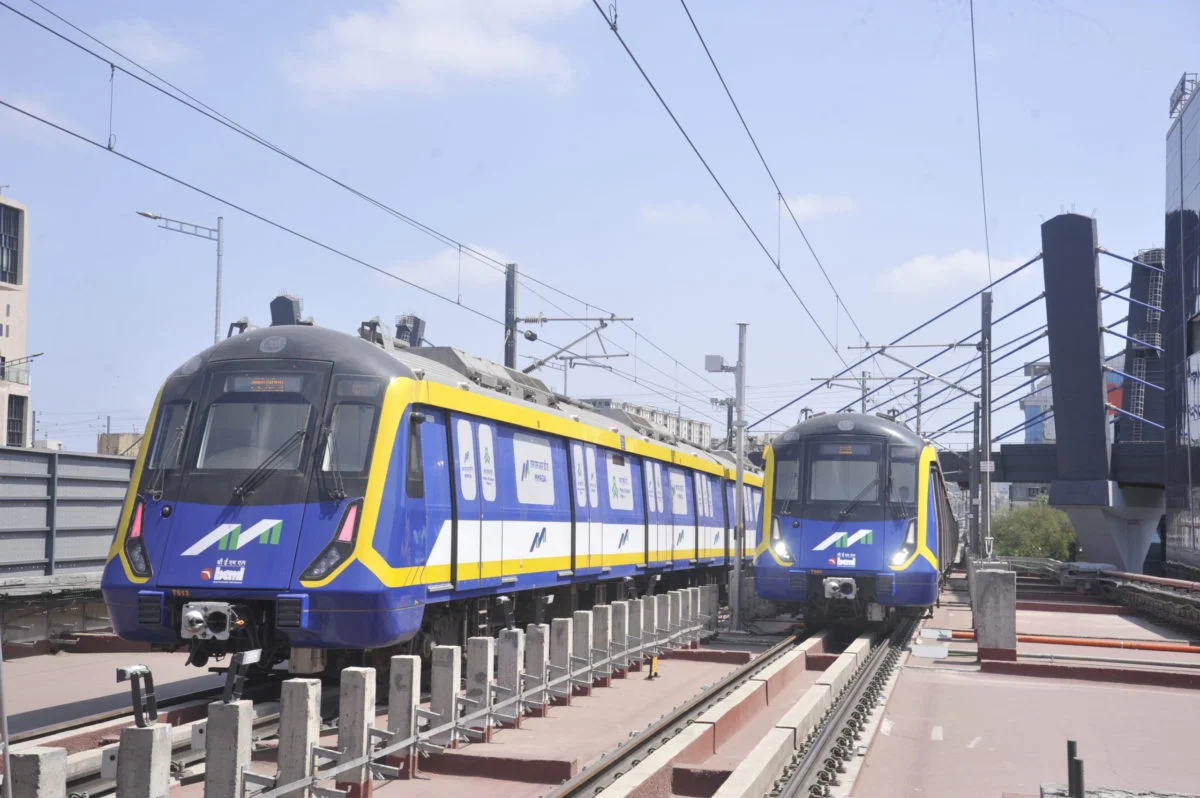
According to officials, the tender includes the design, manufacture, installation, testing, and commissioning of a radio system to be deployed along Line 9 (Dahisar East to Rai) and Line 7A (Andheri East to Chhatrapati Shivaji Maharaj International Airport). The upgraded communication framework is expected to enhance real-time coordination and safety standards across both elevated and underground sections of the network. Metro Line 9, an extension of Line 7, stretches 13.58 kilometres from Dahisar East to Rai Village in Mira Bhayandar, providing critical last-mile connectivity to the city’s fast-growing northern suburbs. Meanwhile, Line 7A spans 3.17 kilometres from Andheri East to the international airport, aimed at easing congestion and ensuring seamless multimodal travel between the Western Express Highway and the airport terminal.
Experts believe that efficient communication infrastructure is pivotal to the metro’s long-term sustainability and passenger safety. With both lines serving high-density zones, robust communication systems will be essential to prevent service disruptions, enable rapid response in emergencies, and optimise train frequency. Officials stated that the Dongri Depot, designed to serve both corridors, will host operational control systems and maintenance facilities essential for smooth functioning. The DMRC, which oversees the technical and operational aspects of the project, had opened the technical bids in September and financial bids in late October. Arya Communications qualified successfully as the only bidder, signalling industry confidence in the company’s technical expertise and prior experience with complex transit communication systems.
Urban mobility analysts note that this project marks a key step towards integrating smart, resilient, and energy-efficient systems across Mumbai’s metro corridors. As the city moves closer to completing its interconnected metro network, technology upgrades such as advanced radio communication systems will help reduce operational inefficiencies and carbon footprint by supporting automated operations and data-driven monitoring. With several metro corridors now in advanced stages of construction, the introduction of cutting-edge digital communication infrastructure reflects a growing focus on sustainability and commuter safety. The success of these systems will play a crucial role in making Mumbai’s metro one of the most advanced and environmentally responsible urban transit networks in the country.
Also Read : Mumbai Metro And Monorail Operators Asked To Submit Disaster Management Plans
