


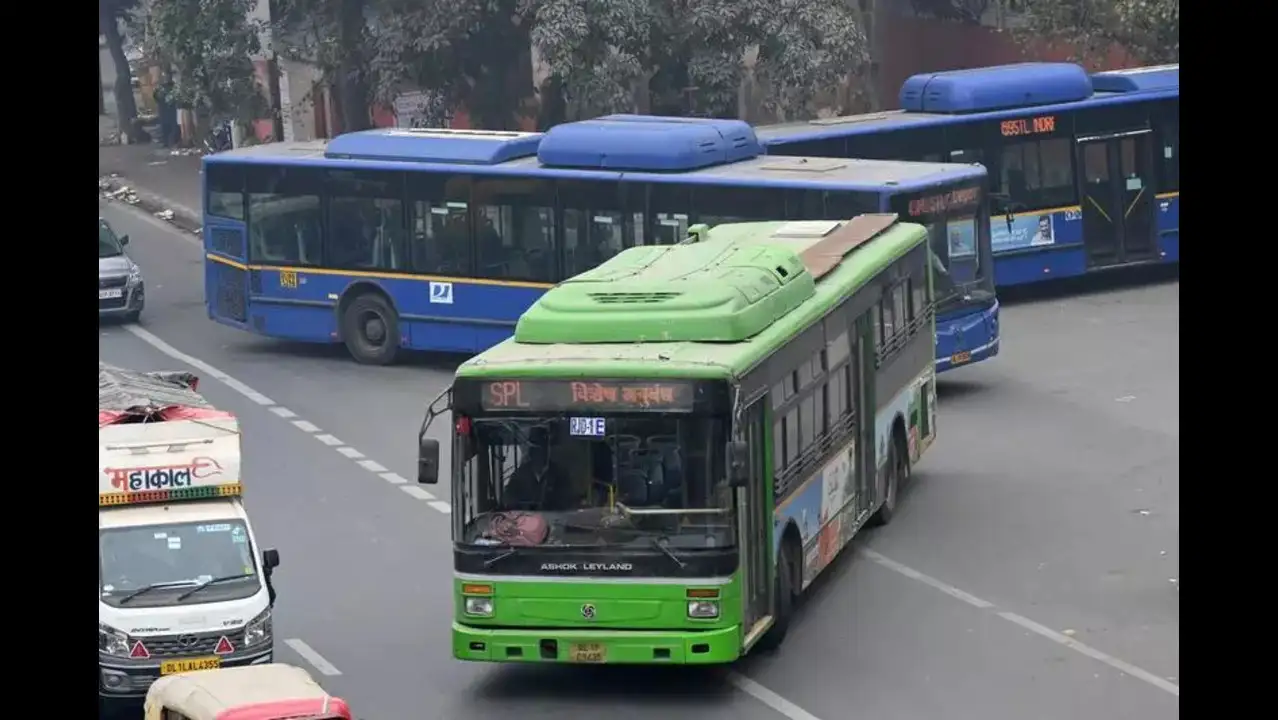
Delhi is set to strengthen its regional mobility network with the launch of a new interstate air-conditioned bus service linking Maharana Pratap Inter-State Bus Terminal (ISBT) with Baraut in Uttar Pradesh. Officials said the initiative, rolled out during the ongoing ‘Sewa Pakhwada’, will significantly ease travel for daily commuters, students, and workers, while also promoting cultural and economic exchange between the two regions.The service will cover a distance of around 60 kilometres with affordable fares.
The minimum ticket is priced at Rs 32, while the full stretch between Delhi and Baraut will cost Rs 125. Transport officials said the pricing strategy ensures inclusivity, making comfortable AC travel accessible across income groups.The new fleet is designed not only to enhance commuter comfort but also to reduce reliance on private vehicles, contributing to cleaner air and reduced carbon emissions. Mobility experts suggest that this expansion of public transport aligns with Delhi’s long-term vision of developing a climate-friendly, equitable urban transport network.
Also Watch: An Exclusive Interview with Sanjeev Jaiswal (IAS), CEO MHADA
The route will originate from Maharana Pratap ISBT and pass through key locations including Khajuri Khas, Bhajan Pura, Loni, Mandolla, Khekra, Baghpat, Goripur, Saroorpur and Tyodhi before terminating at Baraut. By tapping into areas with high commuter density, the corridor is expected to deliver socio-economic benefits through improved access to education, jobs, and healthcare.The daily schedule has been structured for both morning and evening commuters. Services from Delhi to Baraut will begin at 4.50 am, followed by departures at 5.20 am and 5.50 am. Return trips from Baraut will run at 7.00 am, 7.30 am, and 8.00 am. To accommodate evening commuters, additional services will operate at 5.00 pm, 5.30 pm, and 6.00 pm from Delhi, and at 7.30 pm, 8.00 pm, and 8.30 pm from Baraut.
Transport authorities confirmed that this launch is part of a larger plan to expand interstate connectivity with more routes to neighbouring states in the pipeline. Future services will focus on boosting religious tourism, cultural ties, and regional economies while ensuring fares remain affordable.Analysts highlight that strengthening public bus services is critical to managing Delhi’s urban growth. By providing efficient interstate links, the city can not only reduce congestion on arterial roads but also create a more balanced mobility ecosystem that bridges city and hinterland.With this new AC service, Delhi is taking a step towards a more inclusive, sustainable, and interconnected transport future one that places equal emphasis on commuter comfort, affordability, and environmental responsibility.
