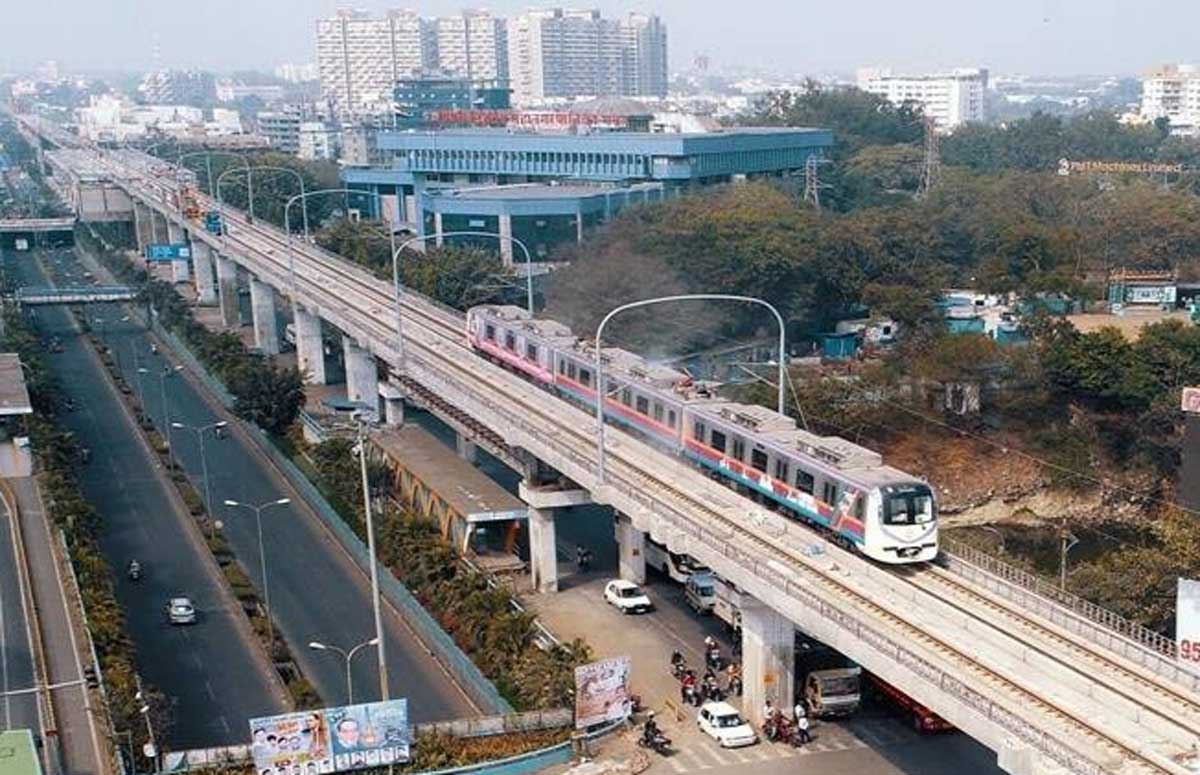
Pune Metro records 22 lakh Ganeshotsav passengers, revenue surges
Pune, 5 September 2025: Ganeshotsav celebrations this year not only drew massive crowds to the city’s pandals but also created unprecedented demand for public transit. Pune Metro registered its highest ridership since inception, carrying 22.75 lakh passengers and generating ₹3.14 crore in revenue during the week-long festivities.
Metro authorities confirmed that daily ridership consistently surpassed 3 lakh passengers, far above the usual average of 2.1 lakh. The steep rise underscores the Metro’s growing role as an efficient urban transport system that reduces congestion during peak civic events.A major factor behind this surge was the newly operational direct connection to Mahatma Phule Mandai, the cultural heart of the city during Ganeshotsav.
Commuters from Pimpri Chinchwad, Ramwadi, and other suburbs opted to park at outer stations such as Fugewadi, Vanaz, and Dapodi before boarding trains into the city centre. This shift helped commuters bypass gridlocked roads and brought relief to surface traffic.Mandai, Swargate, Shivajinagar, and Kasba Peth emerged as the busiest stations during the festival. Mandai in particular saw overwhelming footfall, becoming the focal point of festive travel. To ease crowding, officials advised devotees to use alternative hubs such as Shivajinagar and Kasba Peth, balancing passenger loads across the network.
Transport experts observed that for many Pune residents, this Ganeshotsav marked their first experience with the Metro. What began as a practical solution to festival traffic became, for several commuters, a revelation of convenience and speed. By shifting thousands of private vehicles off the road, the Metro contributed directly to reduced emissions and safer air quality during a period otherwise marked by heavy traffic congestion.
Officials pointed out that the revenue spike is an encouraging sign for the financial sustainability of the Metro, which is still expanding its network and operational coverage. Yet, the larger takeaway lies beyond balance sheets. The festive surge demonstrates that reliable mass transit is not just a weekday commuter’s tool but a citywide enabler of cultural participation and community life
ith the Pune Metro set to expand further, civic planners see in this ridership pattern a glimpse of how public transport can anchor urban mobility in the future. A shift towards mass rapid transit not only reduces dependence on fossil fuel-driven vehicles but also brings Pune closer to the vision of a sustainable, low-carbon metropolis.Ganeshotsav 2025 may be remembered not only for devotion and tradition but also as the moment when the city embraced its Metro as a true lifeline.