


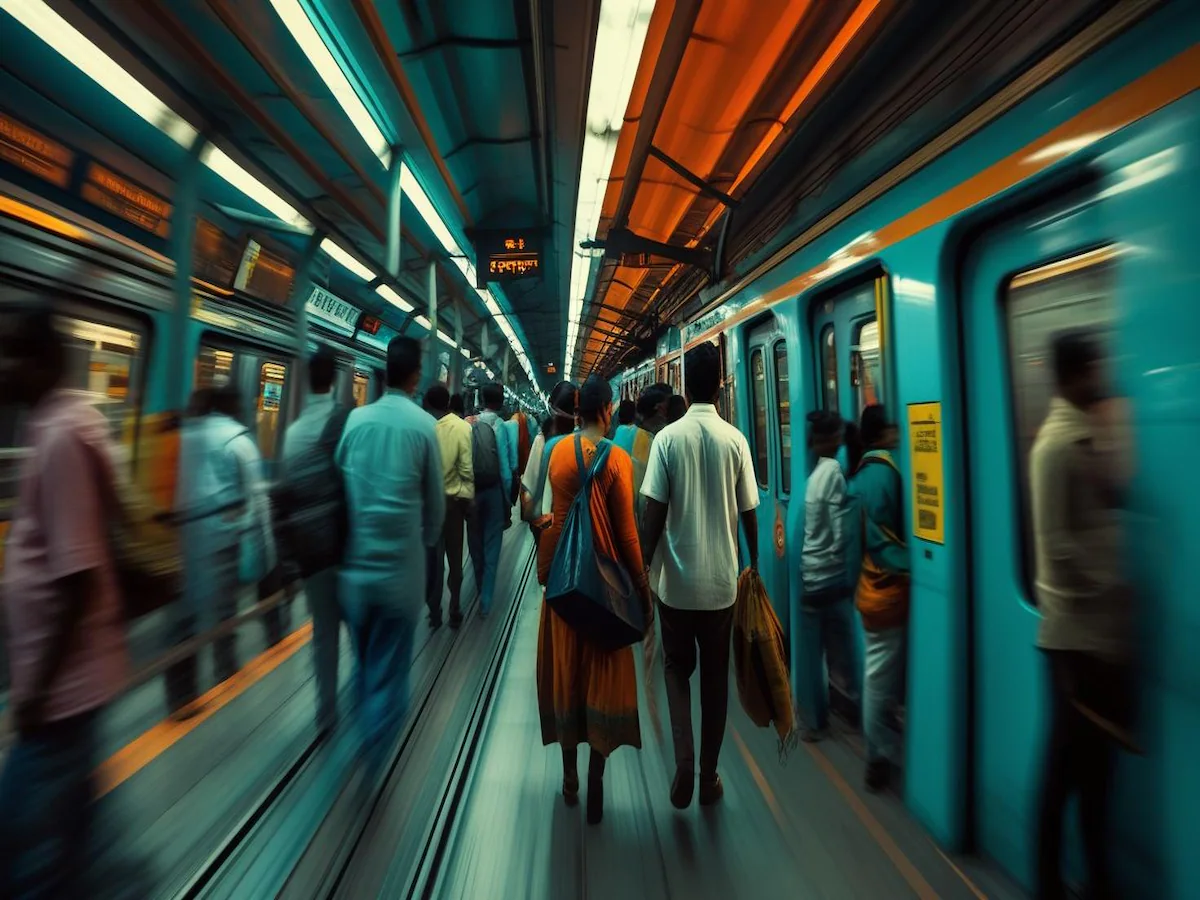
Prime Minister is set to inaugurate three significant metro projects in West Bengal tomorrow morning, marking a milestone in the state’s urban transport development. The projects, which have been under construction for several years, are expected to improve connectivity, reduce traffic congestion, and provide faster and safer commuting options for lakhs of daily passengers in Kolkata and adjoining areas.
According to officials, the projects cover critical stretches that will enhance access between residential zones, business hubs, and educational institutions. The new metro routes are also designed to decongest heavily burdened road networks, particularly in central and suburban parts of the city, where vehicular traffic has long been a challenge. The first of the three projects includes the extension of the existing metro line to a key suburban region, expected to benefit office-goers and students who rely on daily travel. The second project involves the launch of a new corridor connecting major commercial areas with residential localities, thereby offering a faster alternative to buses and private vehicles. The third project focuses on improving last-mile connectivity, linking important city junctions with upcoming transport hubs, including a railway interchange.
Experts believe these projects will significantly cut down travel time and bring a shift in urban mobility patterns across the state. They have highlighted that the metro’s expansion is particularly vital for Kolkata, a city with dense population and narrow roads that are often overcrowded. Once fully operational, the three projects together are expected to serve several lakh commuters every day. Officials from the Ministry of Housing and Urban Affairs have stated that these projects were completed with strong coordination between the Centre and the state agencies, overcoming multiple hurdles such as land acquisition, underground tunneling challenges, and delays caused by the pandemic. They also stressed that the metro expansion aligns with the government’s broader vision of modernising public transport infrastructure across the country.
The inauguration ceremony will take place in Kolkata, where the Prime Minister is expected to address a public gathering after flagging off the services. Sources indicate that the event will also highlight the government’s future plans to expand metro connectivity further in Bengal, with proposals for additional corridors already under study. Transport experts note that the success of these projects will depend on effective integration with other transport modes such as buses, suburban rail, and auto-rickshaws. Seamless connectivity, they argue, will not only make commuting easier but also encourage more people to shift from private vehicles to public transport, thereby reducing pollution and fuel consumption.
For commuters, the opening of these new lines comes as a relief after years of anticipation. Residents have long demanded improved metro access, especially in areas where daily travel was time-consuming due to lack of efficient transport options. With these new projects, passengers can look forward to reduced travel time, better frequency of trains, and improved comfort during journeys. The Prime Minister’s visit to West Bengal tomorrow is seen as more than just the inauguration of infrastructure projects—it signals the Centre’s continued push towards modernising urban mobility, bridging regional gaps, and driving economic growth through improved connectivity.
Also Read : Mumbai Flooding Continues Despite BMC Efforts, Train Services Disrupted Near Sion-Kurla Areas
