Delhi NCR Witnesses Remarkable 81 Percent Property Price Surge in Five Years
Delhi is currently experiencing a scorching summer day, with temperatures expected to soar to 39.6°C. This intense heat, coupled with partly cloudy conditions and moderate humidity, highlights the growing challenges faced by a rapidly expanding metropolis. As Delhi’s urban footprint continues to grow, converting natural landscapes into concrete structures, the city is increasingly susceptible to the “urban heat island” effect. This phenomenon causes metropolitan areas to be significantly warmer than their surrounding rural areas, exacerbating discomfort for residents and increasing energy demands for cooling, a direct consequence of unchecked city growth and infrastructure development.
The city’s morning temperature of 32.6°C is expected to rise steadily throughout the day, offering minimal relief. Despite moderate wind speeds, the overall conditions remain challenging for outdoor activities during peak hours. The current weather pattern is also a reminder of how urban development influences local climate. Densely built environments with extensive impervious surfaces like roads and buildings absorb and retain more heat, releasing it slowly at night and preventing natural cooling. This effect, combined with anthropogenic heat sources from vehicles and air conditioning, contributes to higher ambient temperatures, particularly in densely populated and commercial areas.
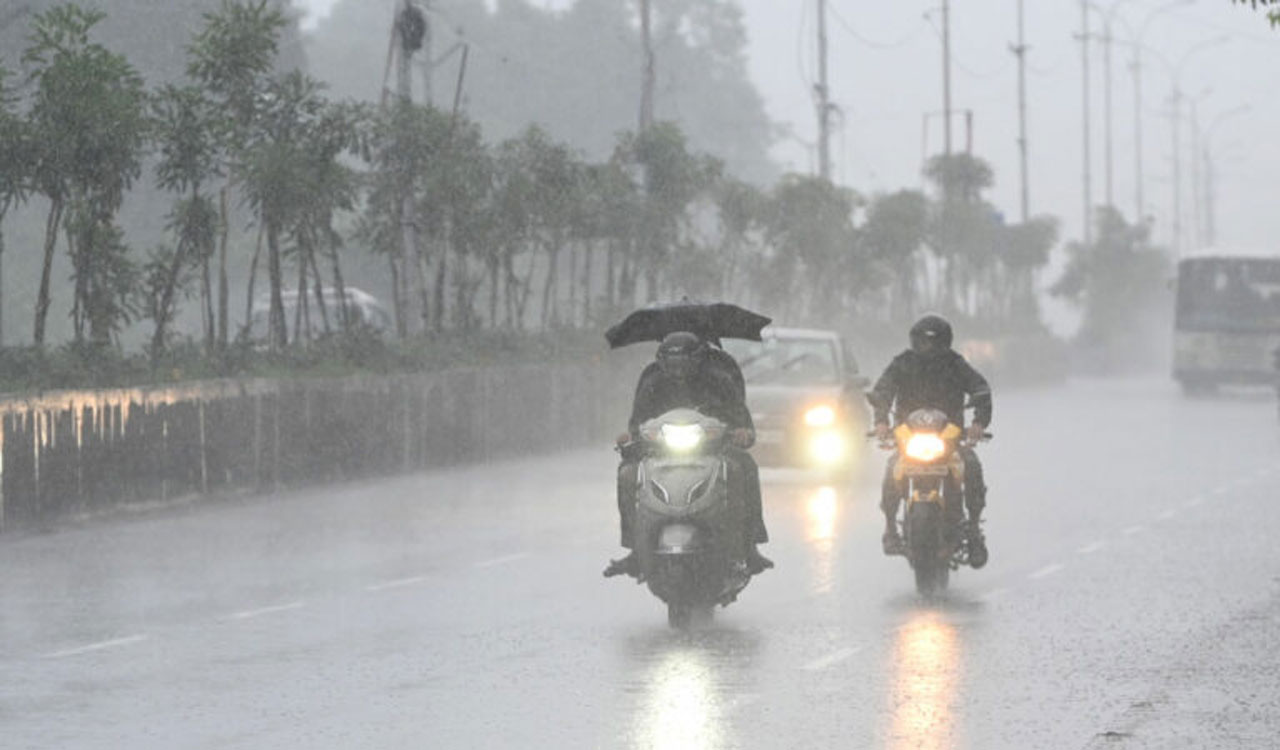
The weather outlook for the coming week brings a significant shift, signaling the onset of a potentially wetter period, which is crucial for a city grappling with both heat and the need for water replenishment. Patchy rain is expected on July 26, bringing a slight temperature drop to 38.9°C. Moderate rainfall is then predicted for July 27, with temperatures further declining to 33.9°C. However, rapid urbanization also affects monsoon patterns, sometimes leading to more intense, short-duration downpours and increased risks of urban flooding due to strained drainage infrastructure, a common issue in rapidly developing areas.
Heavy downpours are specifically forecast for July 28 and 29, with temperatures expected to fall to 30.6°C and 28.1°C, respectively, offering much-needed relief from the heat. This wet weather pattern is projected to continue through July 30 and 31. While the rains are a welcome respite, the vulnerability of a burgeoning city like Delhi to extreme weather events, including flash floods from intense rainfall, underscores the critical need for resilient urban planning and robust infrastructure to cope with the environmental impacts of its relentless growth.
The transition from scorching heat to a wet spell highlights Delhi’s complex relationship with its climate, profoundly influenced by its ongoing urban expansion. Managing these environmental impacts through sustainable development practices is paramount for the city’s future liveability and prosperity.