


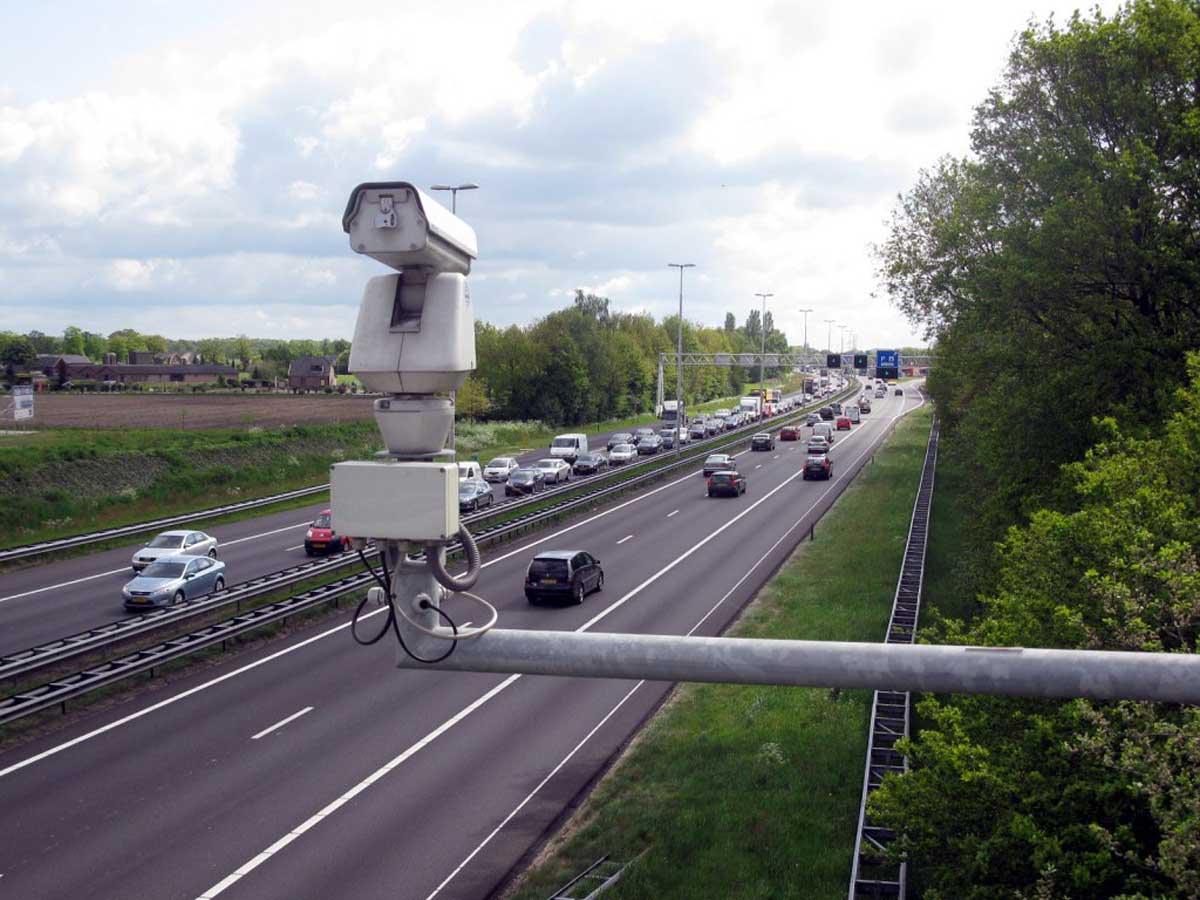
Bengaluru’s major state highways are set to receive a significant upgrade with the rollout of a ₹70‑crore AI‑powered surveillance initiative aimed at curbing speeding, helmet non‑compliance and dangerous driving. The first phase will see approximately 60 intelligent cameras installed at accident‑prone junctions across ten districts, linked to a central command centre for real‑time detection and automated e‑challan issuance, heralding a transformative move in digital traffic enforcement and equitable city mobility.
Officials confirm the investment will span three phases, targeting high‑speed corridors where traditional monitoring has struggled. Among the initial locations earmarked are Ramanagara (Bengaluru–Mysuru Highway), Srirangapatna, Bengaluru Airport Road, Attibele, Hosapete, Nelamangala, and the Parle‑G junction on Tumkur Road . Each camera will flag violations such as over‑speeding, helmet non‑use and reckless driving, feeding live data to a new command centre designed to swiftly generate electronic fines—an infrastructure developers believe will significantly enhance deterrence and compliance . The decision follows mounting concerns over rising highway incidents in and around Bengaluru. Transport officials say footage and data gathered over years of AI camera use on arterial roads demonstrated both a reduction in fatalities and behavioural change . For instance, the Bengaluru–Mysuru Expressway recorded 13 lakh violations over three years, resulting in ₹90 crore in fines, underscoring the efficacy—and limits—of automated enforcement .
Yet, while AI surveillance can streamline enforcement, critics warn of systemic and technological risks. Karnataka’s travel operators have raised concerns about accuracy and possible misidentification, advocating for human verification to prevent wrongful penalties . Drivers have similarly reported seat‑belt violations wrongly flagged due to dark clothing blending with straps, raising accuracy concerns—though authorities emphasise that human oversight is retained in evidence evaluation . The Transport Department highlights that the first phase of the project—including hardware procurement, installation, software integration and command centre infrastructure—has already been funded and is underway Subsequent phases will expand to an additional 20 highway junctions identified through accident and violation data, with collaboration from local police and traffic specialists .
Beyond enforcement, the initiative reflects a wider drive towards eco‑friendly and equitable urban transport ecosystems. By promoting safer driving and adherence to regulations, the programme reduces carbon‑intensive accidents, avoids emergency‑related emissions, and encourages more disciplined travel—an essential part of India’s net‑zero ambitions. Evidence also shows that camera‑led enforcement correlates with stark reductions in fatalities. On the Bengaluru–Mysuru corridor, road deaths fell from 188 in 2023 to 50 in 2024 following the introduction of advanced traffic systems—a decline attributed partly to AI‑enabled speed detection . However, for the initiative to remain credible and just, technical transparency and robust appeal systems must be built into the model. Experts advocate retaining human review of contested cases, clear channels for redress, and periodic audit of AI performance—especially important where wrongful e‑challans might erode public trust.
Ultimately, Karnataka’s move to integrate AI into highway safety reflects a broader acceptance of smart technology in public infrastructure—when calibrated, regulated and made inclusive. As the project unfolds, the key test will be balancing enforcement gains with fairness, transparency and protection of motorists’ rights. If executed with transparency and sensitivity, the AI‑surveillance network could become a model for sustainable urban mobility—combining robust enforcement, behavioural reform, and low‑carbon roadway ecosystems. That balanced combination could define the future of safer, smarter highways in Bengaluru and beyond.
Also Read :Bengaluru STRR Expressway Enhances Mobility, Fuels Commercial Infrastructure Growth
