


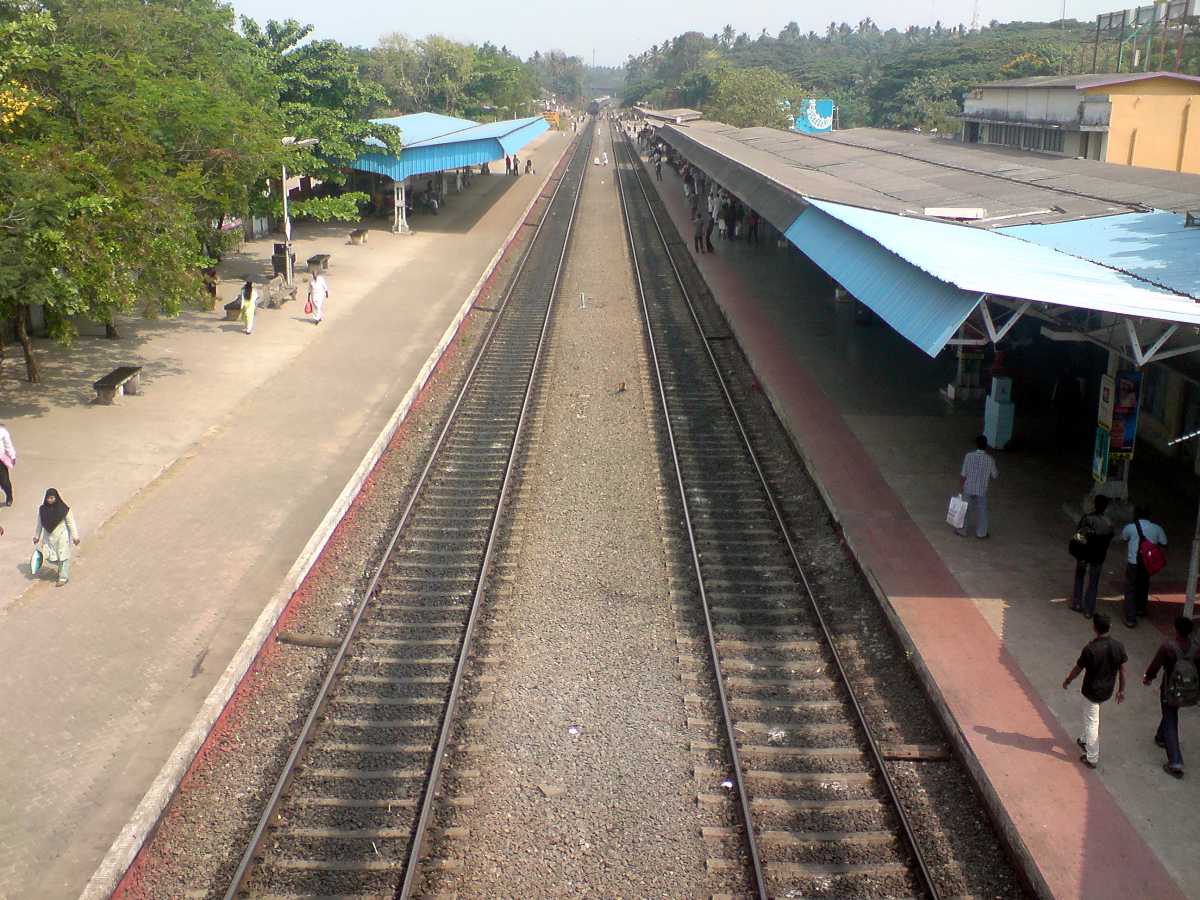
The Indian Railways has announced the permanent closure of two railway stations in the northern districts of the state. Starting Monday, passenger trains will no longer halt at Chirakkal in Kannur district and Vellarakkad in Kozhikode district.
Chirakkal Railway Station, located in close proximity to the well-connected Kannur Junction, has seen a decline in passenger footfall over the years. The decision to cease operations at Chirakkal is attributed to its redundancy, as commuters can easily access services at the nearby Kannur Junction, which offers more frequent and diverse train options. Similarly, Vellarakkad Railway Station, situated between Koyilandy and Thikkodi, has faced challenges due to its limited connectivity and lower passenger numbers. The station’s closure is expected to streamline operations and improve efficiency in the region’s railway network.
The closure of these stations is likely to affect daily commuters who previously relied on them for travel. Passengers will now need to adjust their travel plans and utilize alternative stations for boarding trains. While the decision aims to enhance operational efficiency, it underscores the need for improved connectivity and infrastructure in less-served areas. With the discontinuation of services at Chirakkal and Vellarakkad, the Indian Railways has initiated the process of reassigning the affected employees to other stations. This move is part of a broader strategy to optimise workforce allocation and ensure the continued smooth functioning of the railway network.
The closure of these stations reflects a broader trend in Kerala’s railway operations, where underused facilities are being evaluated for closure or consolidation. While such measures can lead to more efficient operations, they also highlight the challenges of maintaining services in areas with declining passenger numbers. The permanent closure of Chirakkal and Vellarakkad railway stations marks a significant shift in Kerala’s railway operations. While the move aims to enhance operational efficiency, it also brings to light the ongoing challenges of balancing service provision with sustainability in the state’s transportation infrastructure.
Also Read :Mumbai Metro Line 3 Faces Network Blackout
