


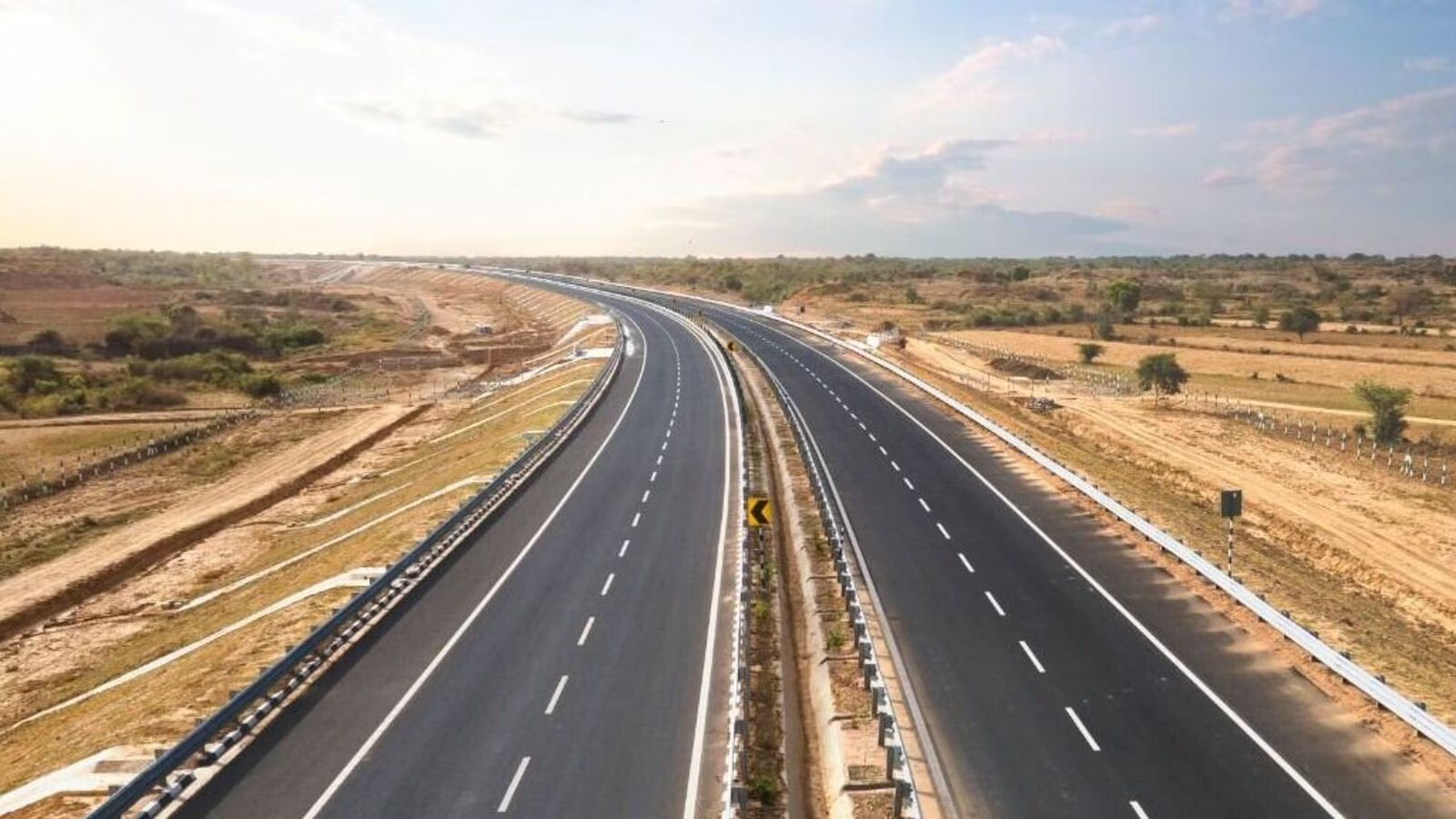
A transformative ₹40,000 crore infrastructure initiative under the Bharatmala Pariyojana is set to redefine long-distance road travel in India.
A proposed 700-km access-controlled expressway connecting Mumbai to Bengaluru aims to slash travel time from 18 hours to just 6, introducing a new chapter in sustainable high-speed mobility. Positioned as part of the government’s Green Express Highway blueprint, the project will feature a 14-lane greenfield corridor designed exclusively for fast-moving vehicles, further emphasising India’s commitment to decarbonising its transport network. The expressway is expected to directly connect the economic nerve centres of Bengaluru, Pune, and Mumbai, promising faster flow of people, goods, and capital across Maharashtra and Karnataka. The project will align with the existing Pune-Bengaluru expressway and merge into the Mumbai-Pune Expressway through the planned Pune Ring Road. This strategic integration aims to cut the Pune-Bengaluru route by around 95 kilometres, optimising fuel efficiency and lowering emissions from long-haul freight and passenger travel.
As proposed, the eight-lane expressway will be equipped with 22 interchanges, 55 flyovers, and two emergency airstrips to enhance resilience and efficiency. A 120 kmph speed cap has been designated to ensure smooth vehicular flow while prioritising safety. The route will traverse through twelve districts including Pune, Satara, and Sangli in Maharashtra, and Belagavi, Bagalkot, Gadag, Koppal, Vijayanagar, Davanagere, Chitradurga, Tumakuru, and Bengaluru Rural in Karnataka. This connectivity overhaul is likely to accelerate regional development, ease logistical bottlenecks, and promote decentralised urban growth beyond metro limits. Authorities have projected the expressway will significantly reduce travel time between Pune and Bengaluru to 4-5 hours. Apart from benefiting commuters, the corridor is poised to enhance trade and logistics across India’s two major industrial belts, supporting the commercial, IT, and manufacturing sectors along its stretch. By providing seamless passage across state lines, the corridor also strengthens India’s goal of building equitable and connected cities with minimal environmental impact.
Yet, while the project’s ambitions are commendable, concerns around execution and quality control linger. Delays and substandard work have marred previous infrastructure projects. Recent penalties on poorly performing contractors by the National Highways Authority of India underline the urgency for robust oversight. Ensuring transparency, timely completion, and use of green construction practices will be crucial to fulfilling the expressway’s promise without compromising public trust or ecological health. As India invests heavily in future-ready infrastructure, the Mumbai-Bengaluru expressway symbolises more than just mobility it represents a step toward reimagining inter-city travel in a climate-conscious era. But the success of such projects will depend on a consistent commitment to quality, accountability, and the pursuit of inclusive development goals.
Also Read :Shillong Silchar expressway to boost North Eastern connectivity
