


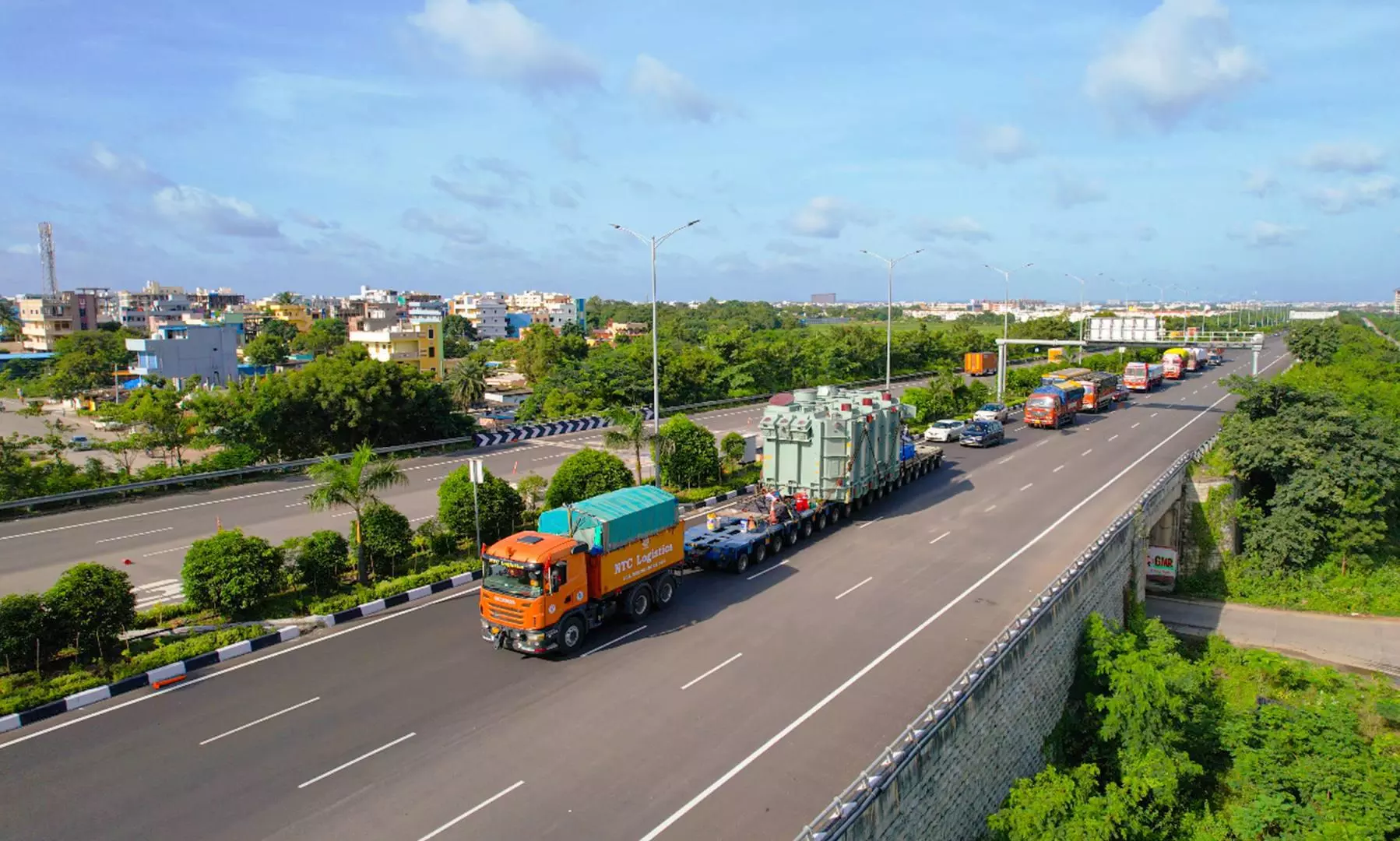
India’s cargo and logistics sector is undergoing a significant transformation, driven by rapid digital adoption, infrastructure upgrades, and government-led policy initiatives aimed at reducing logistics costs and enhancing efficiency.
With the implementation of the National Logistics Policy and the Gati Shakti Master Plan, the country is poised to redefine its role in the global trade and supply chain landscape. The sector, currently valued at over USD 250 billion, is expected to grow at a CAGR of 10-12%, fueled by rising e-commerce demands, increased container traffic, and improvements in road, rail, air, and sea connectivity.
Emerging technologies such as real-time cargo tracking, automated warehousing, AI-powered logistics planning, and green shipping corridors are bringing transparency and sustainability to freight movement. The integration of digital platforms, enhanced policy alignment, and private sector investment are strengthening India’s position as a global logistics hub. Major developments such as Dedicated Freight Corridors (DFCs), Multimodal Logistics Parks (MMLPs), and smart customs clearance mechanisms are further streamlining cargo operations across the country. Companies are adapting quickly, offering comprehensive freight forwarding, customs, and end-to-end logistics solutions tailored to modern business needs.
While challenges such as fragmented operations, compliance complexity, and last-mile connectivity persist, the ongoing reforms and innovation-driven approach are expected to unlock new opportunities in international trade and supply chain management. India’s cargo sector stands at the crossroads of opportunity and innovation, ready to propel the nation’s economic growth and global competitiveness.
Also Read :Tripura Gets New Cargo Link to India Markets
