


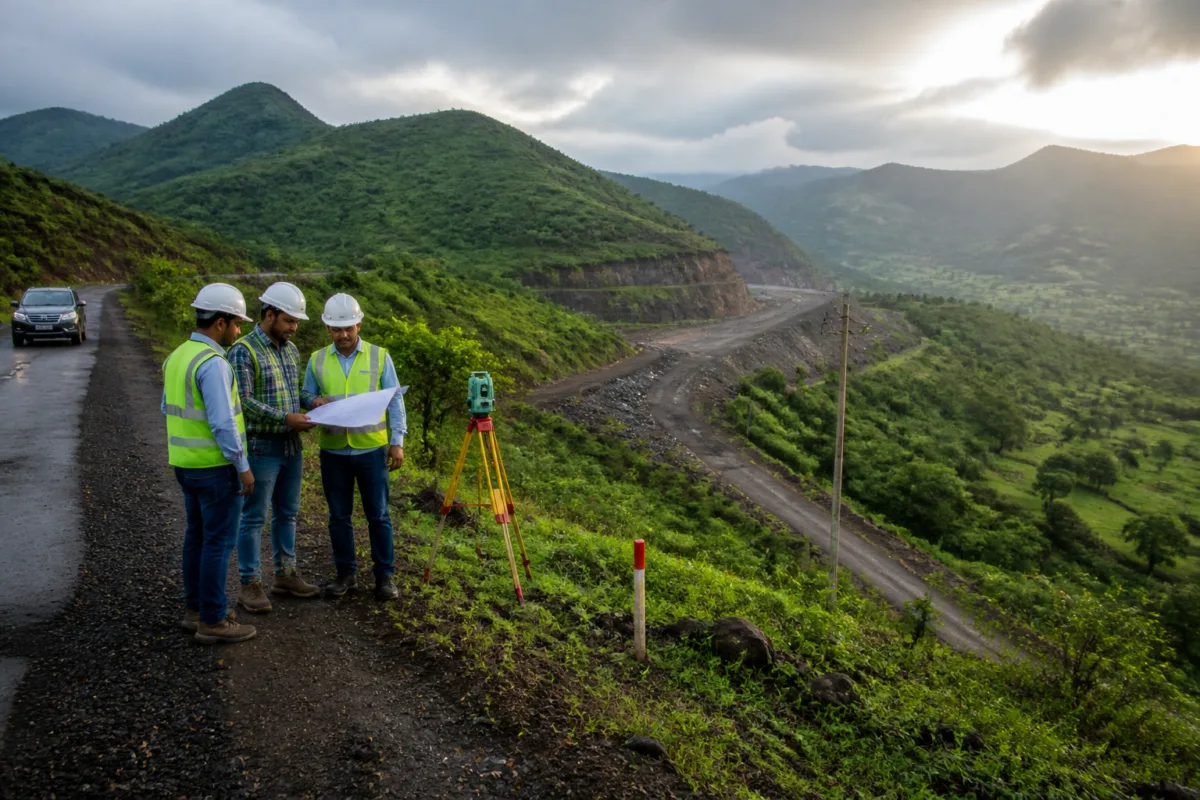
The proposed New Mumbai-Pune Expressway is moving towards the tendering stage, but construction has not begun across the planned corridor and there is no confirmed opening date, according to a report by MagicBricks.
The greenfield road is planned as an approximately 130-km, eight-lane corridor intended to provide an alternative to the existing Mumbai-Pune Expressway. The project is estimated to cost around Rs 15,000 crore and is expected to reduce the journey between the two cities to about 90 minutes when operational.
MagicBricks reported that the National Highways Authority of India (NHAI) has been progressing project assessments and that the opening of bids has been scheduled for November 27, 2026. The project remains in the planning and tendering phase, however, with detailed project reports, feasibility work, land acquisition and environmental and other regulatory clearances still required for parts of the alignment.
The existing Mumbai-Pune Expressway is approximately 94.5 km long. The report said travel times on the current route can extend to 2.5 to 3.5 hours or more during periods of heavy traffic, including weekends, holidays and peak commuting periods. The proposed corridor is planned to handle close to three lakh vehicles a day, although that capacity figure remains a project estimate rather than an operating result.
The scheme has been divided into two broad stretches. The first, from Pagote to Chowk, is about 30 km long and has an estimated cost of around Rs 4,500 crore. It is expected to include two tunnels through the Sahyadri hills. The remaining roughly 100 km forms the second phase, for which the report said detailed project and feasibility work is continuing.
The planned connectivity is intended to extend beyond a direct Mumbai-Pune link. The route is expected to connect with Navi Mumbai, the Atal Setu and the Jawaharlal Nehru Port Authority zone, supporting passenger and freight movement around the Mumbai metropolitan region. On the Pune side, links have been discussed around areas such as Shivare Junction, with the stated objective of reducing delays through slower urban stretches. The corridor is also expected to improve longer-distance movement towards the Bengaluru route.
For road users, the main potential benefit would be additional capacity on a heavily used intercity connection. A separate greenfield alignment could distribute traffic currently concentrated on the existing expressway, particularly during peak travel periods. The scale of that benefit will depend on the final alignment, junction design, connections to urban roads and the completion of supporting works.
The project could also influence development interest in parts of Navi Mumbai, Raigad and the outskirts of Pune. Better intercity access may attract attention from logistics operators, warehouse developers and buyers considering longer-term residential or weekend property. Such effects cannot yet be treated as established market outcomes because construction, land acquisition, approvals and completion remain ahead.
The absence of a confirmed opening date is significant. The reported November 27 bid-opening date would represent a step towards appointing contractors, not the start of passenger operations. Tunnelling through hilly terrain and the construction of a long greenfield corridor would still follow, subject to approvals and execution. Until those stages are completed, the proposed 90-minute journey remains a project target rather than a guaranteed travel time.

