


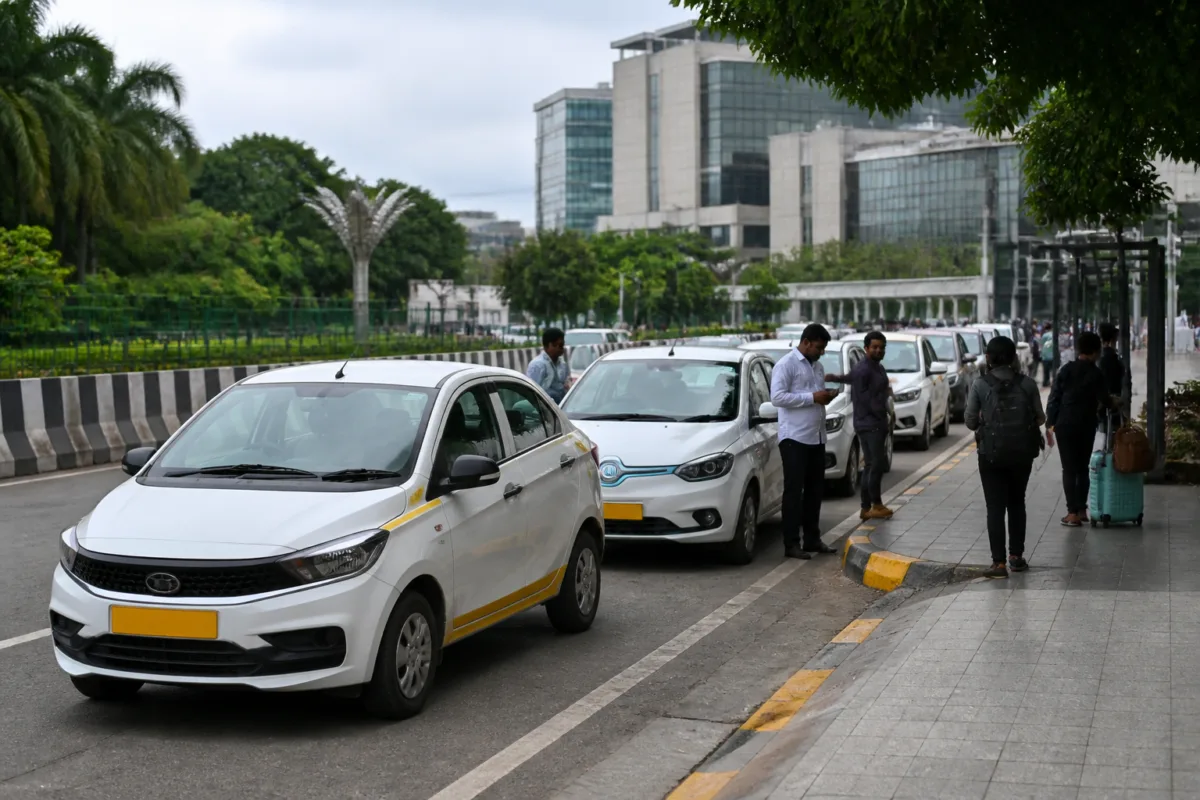
Bengaluru’s taxi aggregator market is set for a regulatory reset, with the Karnataka transport department revising rules introduced in 2016 amid concerns over unlicensed operations, penalties and fare enforcement. Thirteen aggregators currently hold valid licences to operate in the city, according to a Times of India report citing transport department officials.
The department said around 20 companies had received aggregator licences over the years, but several stopped operating and allowed their licences to expire. Officials also said some aggregators were allegedly continuing business without a licence. The proposed rule changes are intended to clarify the penalties for illegal operations and the process for initiating action, among other matters.
Five of the 13 current licence holders received licences this year, including Green SM India Pvt Ltd, the India arm of the Vietnam-based electric mobility company. Other recently licensed operators identified in the report are Roppen Transportation Services Pvt Ltd, which operates Rapido, Go Payana, Silicon Drive Mobility Pvt Ltd and Daxido Technologies Services Ltd.
The reported licence periods extend into 2031. Roppen’s licence is valid until July 31, 2031; Go Payana’s until August 5, 2031; Silicon Drive Mobility’s until August 17, 2031; and Daxido Technologies’ until August 5, 2031. Green SM India received its licence on September 29, valid until September 28, 2031.
The department said Ola, which had previously obtained a licence, did not receive a renewal. A senior official told the newspaper that the company had applied but that its submitted documents did not comply with the rules. The report does not provide Ola’s response to the department’s position.
The regulatory review comes as app-based taxi services face opposition from driver and cab-owner unions. During a recent protest against Green SM, unions alleged that a large electric-taxi fleet operating at lower fares could affect the livelihoods of existing taxi operators. They also raised broader concerns about competition and the treatment of drivers and vehicle owners associated with aggregator platforms.
The department’s proposed changes therefore concern more than the number of licensed platforms. They are also linked to how the state defines accountability when a platform operates through a large distributed fleet of vehicles and drivers. Clearer licensing and enforcement procedures could make it easier for authorities to identify the entities responsible for compliance, although the report does not specify the final enforcement mechanism or the penalties under consideration.
Fare regulation is another unresolved part of the framework. Transport minister Byrathi Suresh has said digital meters will be mandatory for all taxis operating in Karnataka and that taxis will be permitted to charge only government-prescribed fares. Rules for the meters are being framed, but stakeholders have said the existing framework does not clearly specify the meter requirements or who will pay for installation and related operating costs.
For passengers, the outcome will depend on whether the revised rules produce consistent fares, visible compliance and reliable grievance mechanisms across licensed services. For drivers and fleet owners, the cost of meters, licensing compliance and the treatment of electric vehicles could affect operating economics. The department’s overhaul is still in progress, so the precise obligations for aggregators, drivers and passengers will become clear only when the revised rules are formally notified.

