


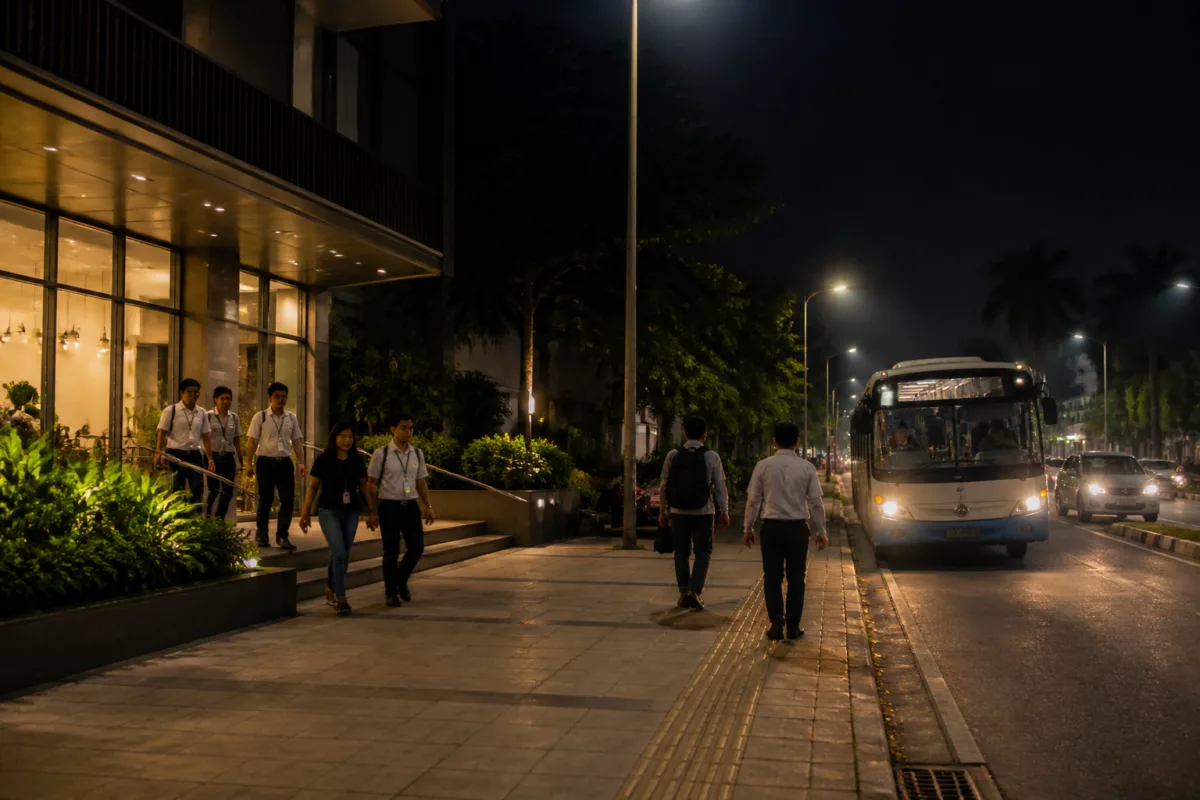
Goa’s decision to allow shops, malls and other commercial establishments to operate around the clock has placed public transport, night-shift staffing and worker safety at the centre of the state’s retail expansion plans.
The labour department has permitted all establishments, shopping complexes and malls to remain open 24 hours for three years under a notification issued through the Goa Shops and Establishments (Regulation of Employment and Conditions of Service) Act, 2025. The permission can be revoked, according to the report.
Retailers have welcomed the flexibility but questioned whether round-the-clock operations will be commercially viable beyond tourist and coastal areas. Manoj Caculo, CMD of Caculo Group, which owns Caculo Mall in Panaji, said the policy was more likely to benefit coastal and tourist locations than city-based businesses.
Caculo also pointed to the limited availability of public transport at night and the additional cost of transporting employees working late shifts. He said urban shops, malls and restaurants might see little benefit from staying open through the night if customers could not reach them without private vehicles.
Prakash Pereira, owner of Delfino’s Hy Mart in Porvorim, questioned whether Goa’s smaller consumer base could support the higher costs associated with extended operations. He said night-time footfall was likely to remain substantially lower than daytime business outside the coastal belt, while longer hours would increase electricity consumption.
Bhuvanish Shet, owner of Mall de Goa, said labour shortages, reluctance among workers to take late shifts and inadequate night bus services could restrict implementation. He said local buses were scarce after 6.30pm and called for services to continue at least until midnight. Shet also said longer retail hours could support tourist spending if the necessary infrastructure was available.
The policy therefore links retail liberalisation to a basic urban service question: whether employees and customers can travel safely and affordably after conventional business hours. The concerns raised by retailers suggest that permission to remain open does not by itself create demand or make night operations practical.
Hari Kaul, chairperson of the retail and wholesale trade committee of the Goa Chamber of Commerce and Industry, described the move as a progressive step for the retail and service sectors. He said businesses could decide their operating hours according to consumer demand and commercial viability. He also highlighted provisions allowing women to work night shifts with written consent and prescribed safety safeguards, along with online registration, electronic records and simplified compliance procedures.
Kaul said the policy’s success would depend on clear guidelines and consistent enforcement. AITUC Goa president Prasanna Uttagi said the move should be supported only when workers received additional benefits and welfare measures. He also called for protections for unorganised workers and safety for women both at and beyond the workplace.
For Goa’s urban centres, the immediate test will be whether transport and labour arrangements develop alongside the new operating-hours regime. Without reliable late-night buses, safe employee mobility and enforceable workplace safeguards, 24×7 retail may remain concentrated in tourist locations and a limited number of businesses rather than becoming a broad-based urban service.

