


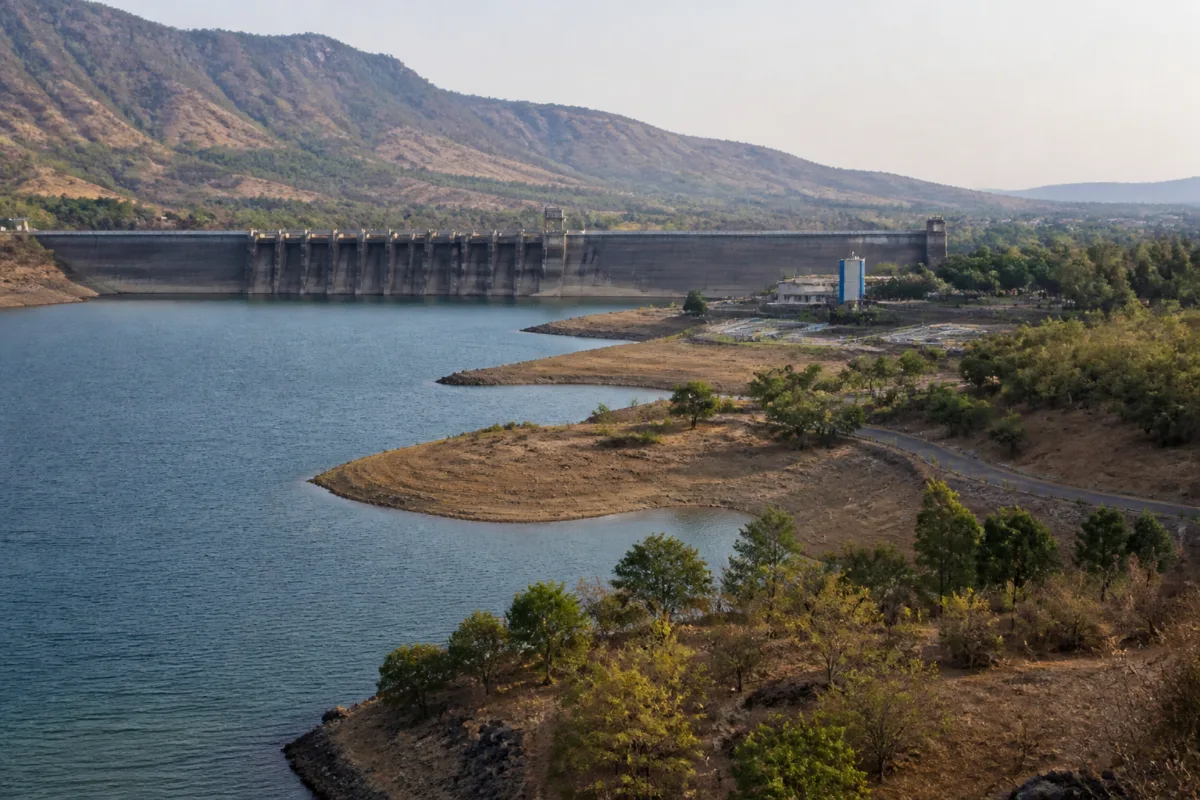
Pune’s water supply planning for the months before the next monsoon has come under scrutiny after Congress and Shiv Sena leaders sought clarity on the quantity reserved for the city and warned of possible summer shortages.
The four dams serving the Khadakwasla system had a combined storage of 21.43 TMC, or 73% of capacity, according to figures cited in the report. The corresponding storage last year was 27.6 TMC, or 97%.
Congress city president Prashant Jagtap alleged that water had been released from Khadakwasla dam for rural areas for the past four-and-a-half months while the Pune Municipal Corporation was being pressured to impose further cuts. He said the city’s water requirement had not been adequately presented to the irrigation department.
Jagtap also said the city might not receive the entire quantity held in the dams and warned that the situation could lead to a major summer water crisis. His comments were political allegations and were not accompanied in the report by a response from the BJP or the irrigation department.
The report said sources within the PMC indicated that the civic administration was likely to increase the frequency of water cuts in the coming days. However, the mayor had not finalised a plan, and Jagtap acknowledged that no decision had been taken at the time of reporting. The possibility of additional cuts should therefore be distinguished from a confirmed municipal schedule.
The storage levels cited for the individual reservoirs were 65% at Khadakwasla, 67% at Panshet, 80% at Varasgaon and 72% at Temghar. These figures indicate that the immediate issue is not only the volume stored, but also how water is allocated between Pune city and rural users over the remaining months of the water year.
Shiv Sena member and former Kasba Peth MLA Ravindra Dhangekar asked whether adequate water had been reserved for Pune for the next nine months. Vivek Velankar of Sajag Nagrik Manch called for the authorities to disclose the exact quantities earmarked for the city and rural areas.
The dispute highlights a basic requirement for urban water governance: residents need a publicly stated allocation plan, including the city’s quota, the period it covers and the conditions that could trigger supply restrictions. Without that information, political claims about rural releases and possible cuts leave households unable to assess the likely impact on their daily water access.
The immediate unresolved issue is whether the PMC, the irrigation authorities and political representatives will publish a common, quantified plan for Pune’s supply through the next monsoon. Until such a plan is finalised, the report establishes concern over summer availability, but not a confirmed schedule of additional water cuts.

