


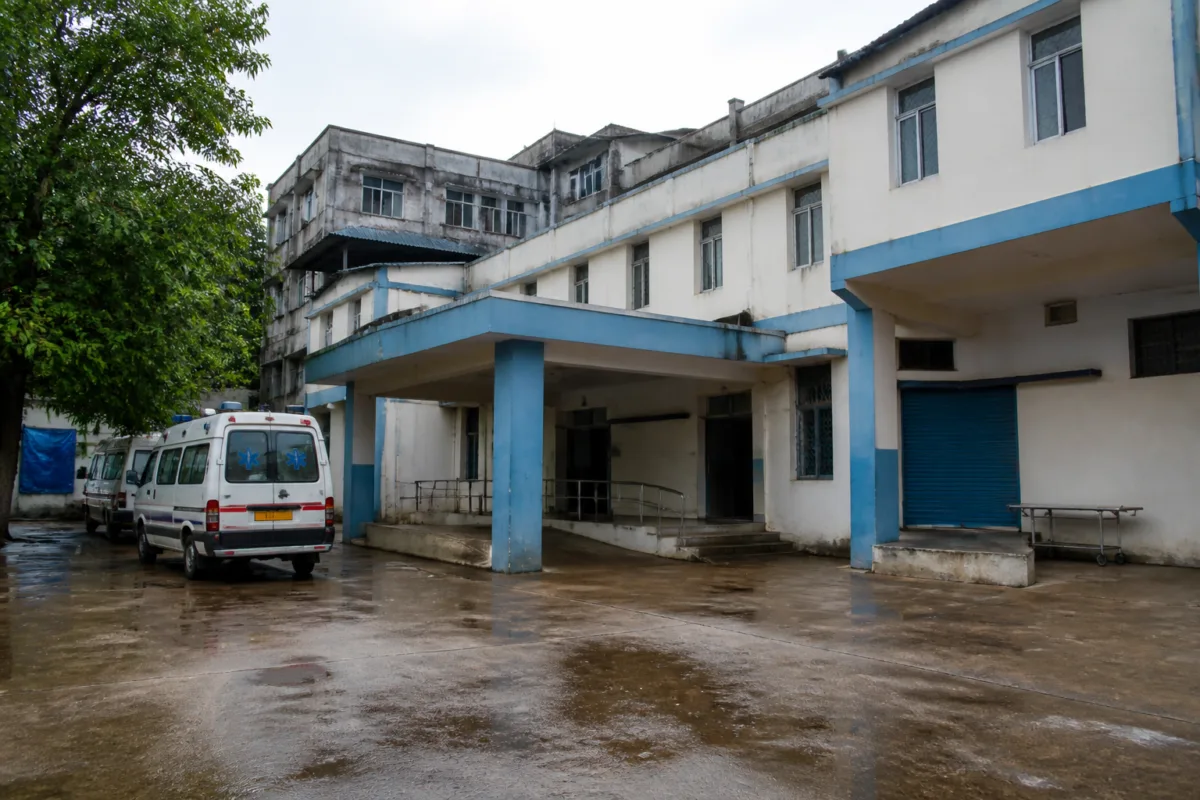
The Panvel sub-district hospital mortuary has exceeded its stated capacity, with 26 unclaimed bodies stored against space for 24, after police delays in completing disposal procedures caused a continuing pile-up. The overflow has forced the hospital to divert bodies to a government hospital in Uran and has raised concerns over mortuary operating conditions.
The bodies are brought to the sub-district hospital from police stations across Panvel taluka. They are meant to remain in storage for seven days while authorities complete procedures including post-mortems and disposal. According to the hospital’s medical superintendent, however, police did not return to take several bodies for disposal after the seven-day period.
“Police did not return to take back the bodies for disposal after 7 days. This has resulted in a pile-up of bodies at the mortuary,” Dr Shivaji Patil, medical superintendent of the sub-district hospital, told the Times of India. The hospital’s mortuary has a capacity for 16 fresh bodies and eight decomposed bodies.
The storage pressure intensified in October, when the mortuary held 52 unclaimed bodies, described in the report as the highest number recorded there. That figure included two bodies brought by Kharghar police in 2024. The report also states that the bodies of a murdered person and an accident victim brought by Kharghar police had remained in the mortuary since 2024.
The hospital stopped accepting additional bodies from October after a Public Works Department inspector warned of a rise in freezer temperature. The warning letter was issued in August, after which assistant commissioners of police and police stations were alerted, according to Dr Patil.
As the Panvel facility came under pressure, four or five bodies, including the body of a murdered person, were sent to the government-run Indira Gandhi Rural Hospital in Uran. That hospital also faced excess storage in October and November, with seven bodies stored against its capacity of four cabinets.
The diversion created logistical difficulties for police, who had to search for mortuary space at other hospitals. The situation also exposed the limited public capacity available for handling unclaimed bodies across the two facilities. Panvel’s mortuary can store 24 bodies in total across separate capacity for fresh and decomposed remains, while the Uran hospital has four cabinets.
The latest overflow is linked in the report to two operational failures: delayed police action after the prescribed seven-day storage period and the physical limits of hospital refrigeration infrastructure. The rise in freezer temperature added a further safety concern and led the Panvel hospital to restrict new admissions.
The hospital has alerted police authorities and stations, while bodies have been moved to Uran when space was unavailable at Panvel. The report does not specify a new disposal schedule or any additional mortuary capacity planned by the authorities.

