


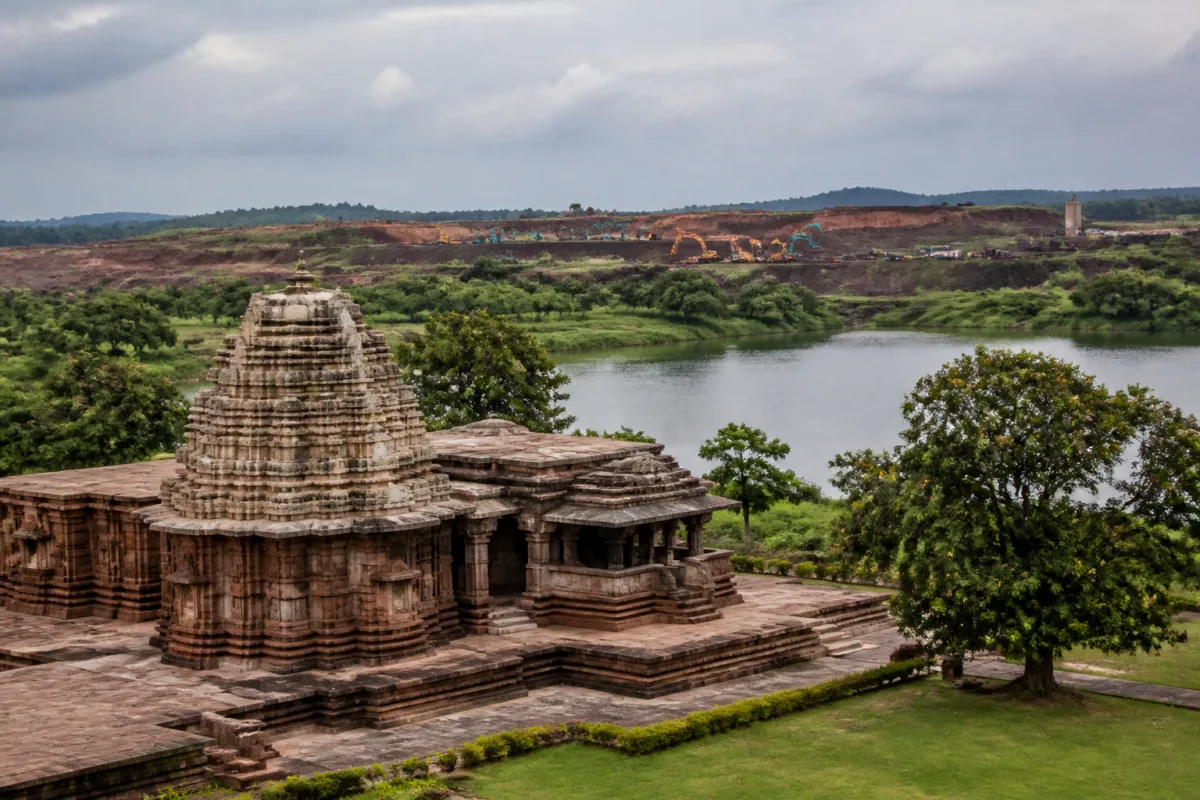
The National Green Tribunal has initiated suo motu proceedings over a proposed coal mine near the UNESCO-recognised Ramappa Temple and its adjoining lake in Telangana’s Mulugu district, citing potential risks to the heritage site and environmental compliance.
A Principal Bench of the Tribunal in Delhi, headed by chairperson Justice Prakash Shrivastava and expert member Dr Afroz Ahmad, registered the case after taking note of reports about the proposed project. The bench issued notices to the Telangana Pollution Control Board, Mulugu district collector, Central Pollution Control Board, the Ministry of Environment, Forest and Climate Change’s Chennai regional office and the Central Ground Water Authority.
The respondents have been directed to file affidavits before the Southern Zonal Bench in Chennai at least one week before the next hearing. The Tribunal also said that any respondent filing directly without an advocate must remain virtually present to assist the proceedings.
The matter was transferred from the Principal Bench in Delhi to the Southern Zonal Bench because it falls within the Chennai bench’s jurisdiction. The case has been adjourned to December 21 for further hearing, with the original records also transferred to Chennai.
According to the report that led to the Tribunal’s action, Singareni Collieries Company Limited is preparing to proceed with the coal mining project despite objections from conservationists. Excavation is reportedly proposed at a distance of about 300 metres from the lake adjoining the temple.
The environmental concern is linked not only to the physical distance between the proposed excavation and the lake, but also to possible groundwater movement. The report cited the Geological Survey of India as noting that water levels in the lake could influence groundwater movement towards the proposed mine through geological lineaments and faults.
The 800-year-old Kakatiya Rudreshwara Temple, popularly known as Ramappa Temple, stands on a sandbox foundation and has reportedly begun showing signs of distress. The temple was recognised as a UNESCO World Heritage Site in 2021. The lake and the surrounding landscape form part of the wider setting in which the monument is located.
The Tribunal observed that the matter indicated a possible violation of the Environment (Protection) Act, 1986, and raised substantial questions about compliance with environmental norms and the implementation of scheduled environmental enactments. It initiated the proceeding by relying on earlier Supreme Court rulings concerning the Tribunal’s power to act on information placed before it.
The next stage will depend on the affidavits filed by the environmental, district and groundwater authorities before the Chennai bench. The December 21 hearing is expected to examine the responses and the environmental and heritage concerns raised before the Tribunal.

