


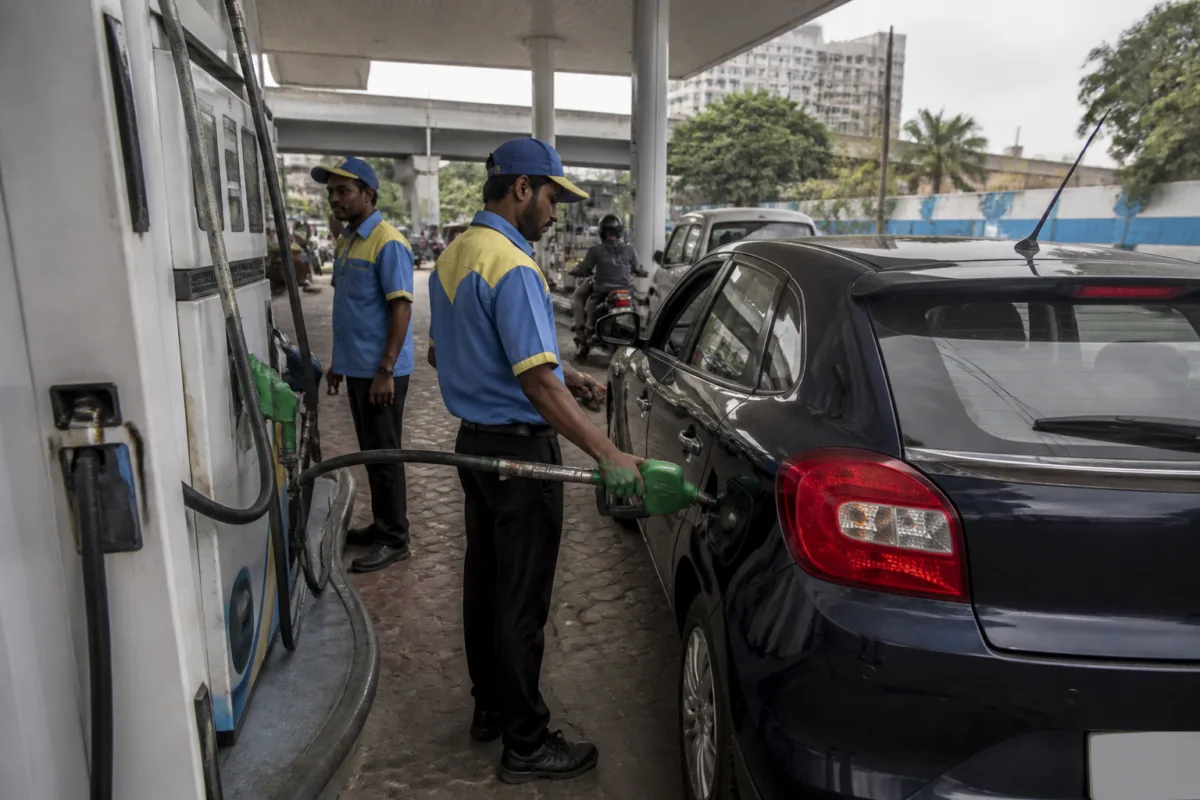
A dispute over ethanol levels in petrol has intensified in Karnataka after Indian Oil Corporation Ltd (IOCL), Bharat Petroleum Corporation Ltd (BPCL) and Hindustan Petroleum Corporation Ltd (HPCL) rejected the state government’s claim that fuel sold at some petrol pumps contained up to 31.2% ethanol, above the prescribed E20 limit.
The oil marketing companies said the government’s findings could not be accepted because the samples were not tested according to the required legal and technical procedures. In a joint statement, they said the E20 petrol supplied by them across Karnataka and the rest of the country complies with the Bureau of Indian Standards (BIS) requirements under IS 17021 for ethanol-blended motor gasoline.
The state government had alleged that petrol containing more than the permitted 20% ethanol was being supplied at some outlets. Food, Civil Supplies, Consumer Affairs and Legal Metrology officials reportedly identified ethanol levels ranging from 26% to 31% in samples collected from petrol pumps, according to the companies’ account of the government’s statement.
Minister Rizwan Arshad had said samples collected from petrol pumps in Bengaluru, Kolar, Chikkaballapur, Bengaluru Rural, Ramanagara, Mangaluru and Tumakuru showed ethanol content above the prescribed 20% limit. The government had also sought action against the oil companies in connection with the findings.
The companies have specifically questioned the sample collection and testing process followed in October. They said that under the Motor Spirit and High Speed Diesel (Regulation of Supply, Distribution and Prevention of Malpractices) Order, 2005, issued under the Essential Commodities Act, 1955, and the 2024 Marketing Discipline Guidelines, fuel samples must be collected, preserved, tested and reported through specified procedures.
The disagreement places the testing process at the centre of the dispute. A finding above the E20 limit can have implications for fuel compliance and enforcement, but the oil companies’ response indicates that the validity of the result depends on whether the prescribed procedures were followed from sample collection through laboratory testing and communication of the findings.
Ethanol blending is part of India’s fuel policy, while E20 refers to petrol blended with up to 20% ethanol. The companies said the fuel they supply is manufactured and distributed in accordance with the applicable BIS specifications. The state government’s reported findings, however, concern samples taken from selected retail outlets and allege levels substantially above that limit.
The available statements do not establish whether the two sides have agreed to a fresh joint testing exercise or whether enforcement proceedings have begun against specific outlets or companies. The next steps will depend on the records of sample collection, the testing method used, the laboratory results and the authorities’ response to the objections raised by the oil marketing companies.

