


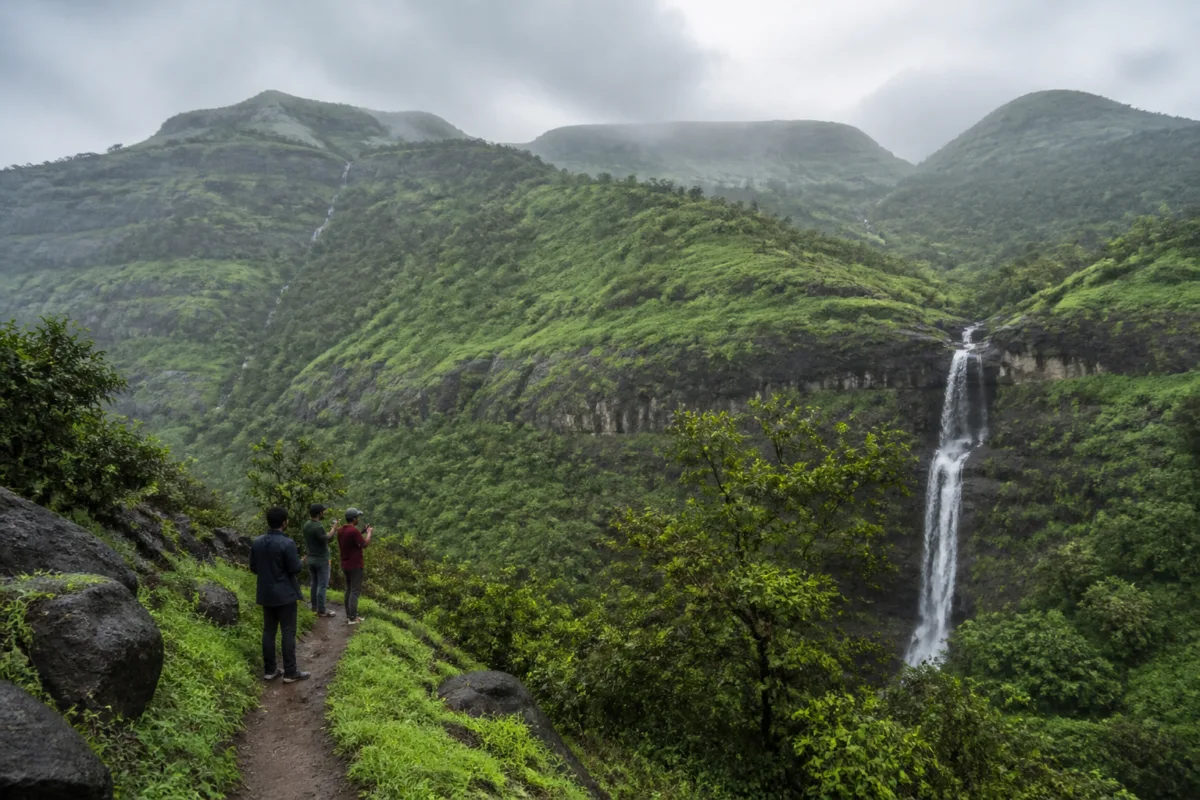
The Maharashtra government has designated the Bhorgiri Forest Conservation Reserve near Bhimashankar, bringing 35.64 square kilometres of forest landscape across 15 villages in Pune district under a conservation framework intended to protect wildlife corridors, water ecosystems and biodiversity.
The decision was taken at a meeting of the Maharashtra State Board for Wildlife chaired by Chief Minister Devendra Fadnavis on October 26, according to a report by Lokmat. Fourteen forest areas across the state were granted conservation reserve status, including three areas within Pune district. The Pune Forest Department has received administrative approval for a total area of 87.41 square kilometres under the conservation designation, of which 35.64 square kilometres is assigned to the Bhorgiri reserve.
The reserve extends across villages in the Khed and Ambegaon talukas under the Junnar Forest Division. The area includes the Bhorgiri and Killa surroundings, the source region of the Ghod River, parts of the Bhima river basin, and forest and hill landscapes connected to the Bhimashankar region. The notification is aimed at strengthening the ecological link between the Bhimashankar Wildlife Sanctuary and forest areas around Lonavala, Rajmachi and Tamhini.
The protected landscape includes habitats used by the Indian giant squirrel, Maharashtra’s state animal, as well as leopards, sambar, barking deer, pangolins and tree frogs. It also contains rare orchids, water sources in the Kondhwal area, natural waterfalls and the Bhorgirigad fort. The Ghod and Bhima river origin areas are among the water systems included within the broader conservation landscape.
The designation will restrict large-scale commercial tree felling, mining, heavy industrial projects and land-use changes that could damage the environment. The source report states that local residents will not face land acquisition or displacement as a result of the decision. Traditional legal rights that have existed in the area will remain in place, while representatives of gram panchayats and villagers will participate in the reserve’s management committee.
The arrangement therefore combines ecological protection with continued local use of the landscape. Traditional livelihoods are to be supported, alongside environmentally sustainable tourism. The government’s stated objective is to create employment opportunities for residents through tourism that does not undermine the forest and water systems on which the region depends.
The conservation reserve model differs from a blanket exclusion approach because it provides for local participation in management while placing limits on activities that can cause lasting ecological damage. For the Bhimashankar landscape, the immediate administrative challenge will be to balance visitor access, tourism infrastructure and livelihood activity with the protection of wildlife movement routes and sensitive water sources.
The Bhorgiri designation adds a formally protected link to a wider chain of Western Ghats habitats. The next stage will involve implementing the reserve’s management arrangements, including the participation of local representatives and the regulation of activities within the notified area.

