


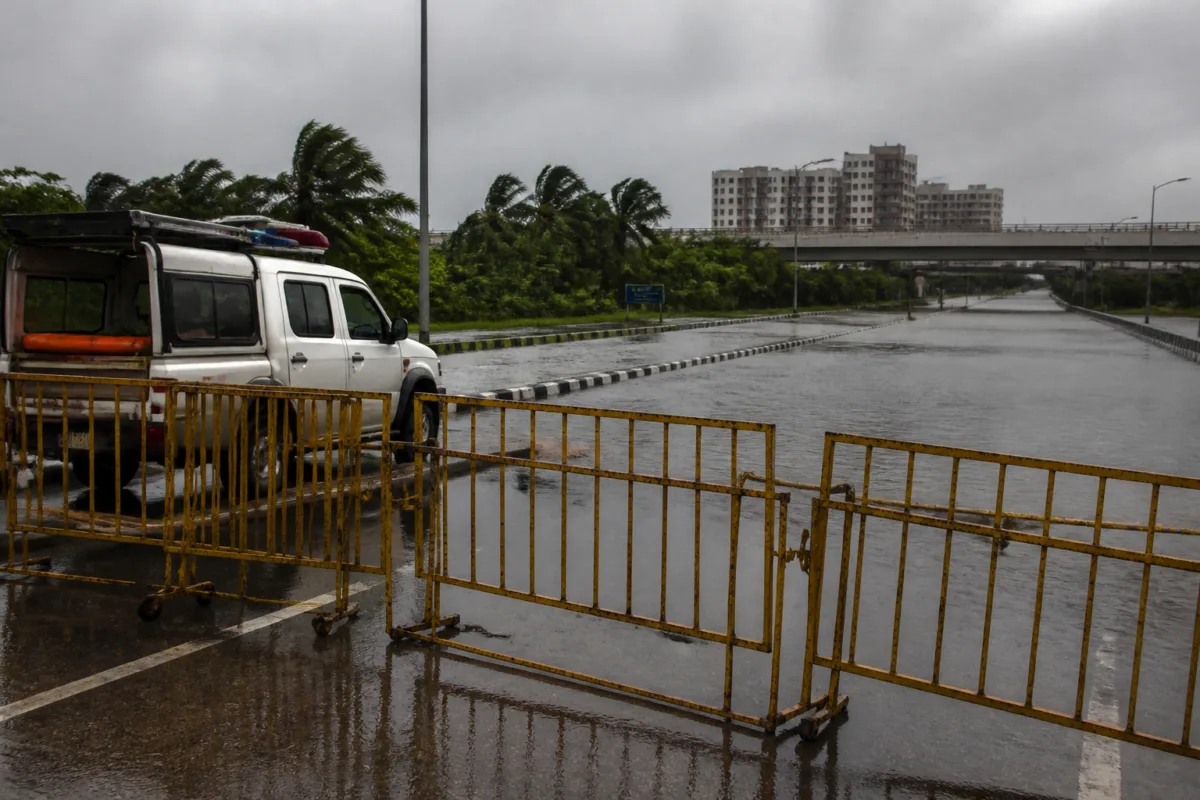
Odisha has ordered transport authorities to block vehicle movement on flooded roads, submerged bridges and other unsafe stretches as Cyclone Arnab brings heavy rain, strong winds and widespread waterlogging across the state. The directive is intended to prevent passengers, drivers and emergency responders from entering hazardous routes during the cyclone period.
In a letter issued by transport commissioner Amitabh Thakur, all regional transport officers, additional RTOs and enforcement officials were asked to immediately coordinate precautionary measures with district collectors, police and road agencies. They have been directed to identify flooded low-lying roads, submerged bridges and landslide-prone stretches, and ensure effective barricading and restrictions on vehicular movement.
“No vehicle shall be allowed to cross an overflowing road or submerged bridge,” Thakur said in the letter. The order follows instructions from the special relief commissioner and warns that heavy rainfall, landslides, waterlogging, uprooted trees and road disruptions could create serious risks for road users, particularly during night hours.
The transport department has also asked bus and truck owners’ associations, transport operators and terminal managers to communicate route diversions and restrictions to drivers. Passengers are to be informed promptly about service disruptions and changes to scheduled services, according to the directive.
The measures place RTOs within the state’s wider disaster-response system, alongside district administrations, police departments and road agencies. Rather than limiting the response to traffic enforcement after roads become impassable, the order requires officials to identify vulnerable locations and prevent vehicles from entering them.
Enforcement teams have been instructed to remain on alert and carry out enhanced patrolling along highways and other vulnerable stretches. Cranes, recovery vehicles and other emergency resources will be positioned at strategic locations to respond to stranded vehicles and road blockages.
The directive also requires RTOs to maintain lists of buses and goods vehicles that can be deployed for evacuation, relief distribution and the movement of essential supplies. This creates a transport pool that district authorities can use during emergency operations, while regular passenger and freight movement is restricted on dangerous routes.
Round-the-clock control rooms will monitor road conditions, coordinate with district emergency operation centres and provide real-time updates during the cyclone period. The order does not specify how long individual route restrictions will remain in place; those decisions are to be communicated through district administrations and transport authorities as conditions change.

