


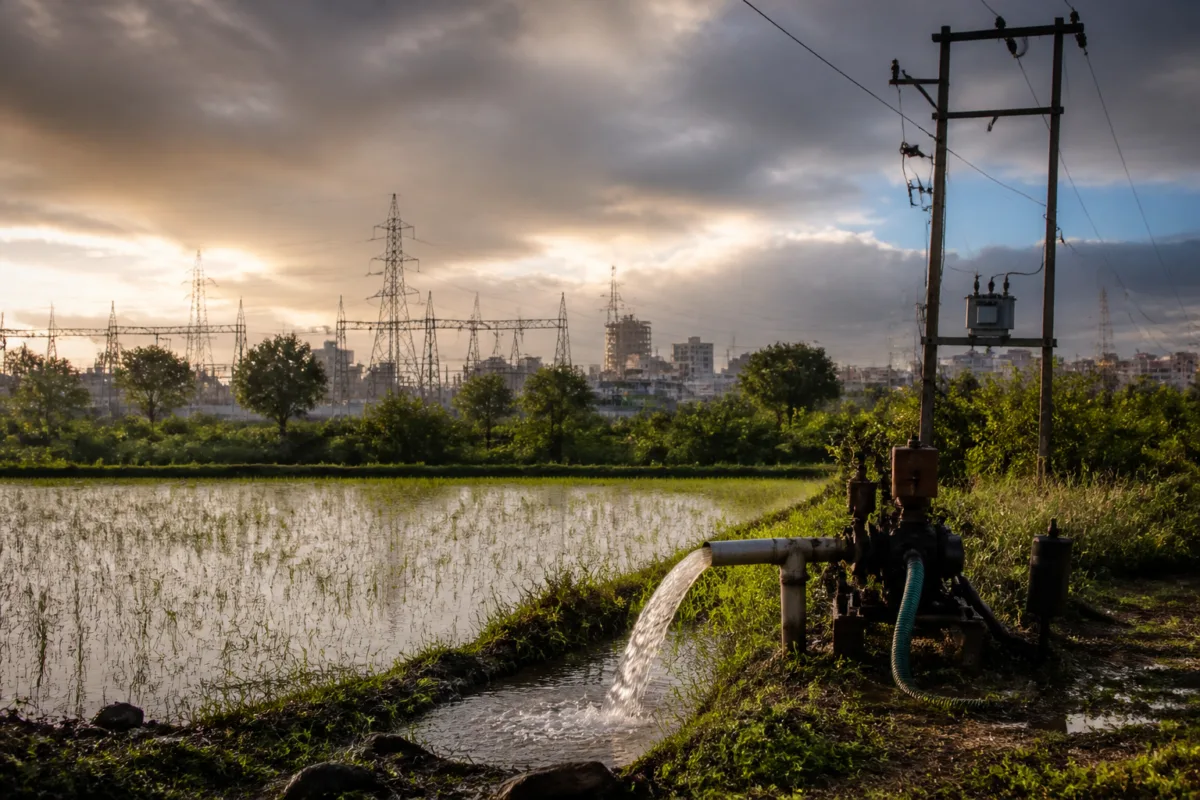
Maharashtra’s electricity demand has started easing after reaching high levels earlier in October, with cooler weather, isolated rainfall and lower agricultural pump use contributing to the decline, according to Maharashtra State Electricity Distribution Company Ltd (MSEDCL) officials and state load dispatch centre data.
The state’s peak electricity demand was 28,652 MW on Monday, well below the 38,021 MW peak recorded on October 10, the report said. Demand had remained around 32,000 MW between October 14 and October 20 before declining further. State load dispatch centre data placed demand at 28,356 MW as of October 20.
MSEDCL spokesperson Bharat Pawar attributed the fluctuations to localised weather conditions across the state. Areas that received rainfall saw reduced reliance by farmers on agricultural pumps, while temperatures also fell in some locations.
“Electricity demand is fluctuating as per vagaries of the weather. There has been rainfall in some parts of the state while temperature has dropped in some. Places getting rain saw reduced farmer reliance on agricultural pumps,” Pawar said.
The change in demand is also linked to the seasonal transition in agriculture. Irrigation requirements for major kharif crops have largely concluded as the monsoon cropping season nears its end. The crops include soybean, cotton, tur, maize, paddy and other pulses, although their water requirements vary depending on crop type, soil conditions, rainfall and the stage of cultivation.
The shift does not mean that irrigation demand has ended across Maharashtra. Some standing crops may still require moisture, particularly in areas that received deficient rainfall. The state’s water allocation priorities are also moving towards drinking water, livestock and the upcoming rabi season.
For farmers, electricity consumption continues to depend on both soil moisture and the availability of water in local sources. Nitin Ujade, a farmer in Alkola, said pumps had been operating for longer because dry soil required more watering and higher daytime temperatures increased the need for irrigation. However, he added that some farmers were unable to run pumps for long periods because wells, dams and canals did not have enough water.
“Watering requires more time than usual because of lack of moisture in soil. Also the increased day temperature is equally contributing to the condition,” Ujade said. He added that lower water availability in some locations had also reduced electricity consumption, contributing to the overall fall in the state’s demand.
MSEDCL officials said weather conditions had improved over the previous two to three days, although conditions remained localised. The variation means electricity use continues to be shaped by the interaction between temperature, rainfall, agricultural pumping and water availability across different parts of the state.

