


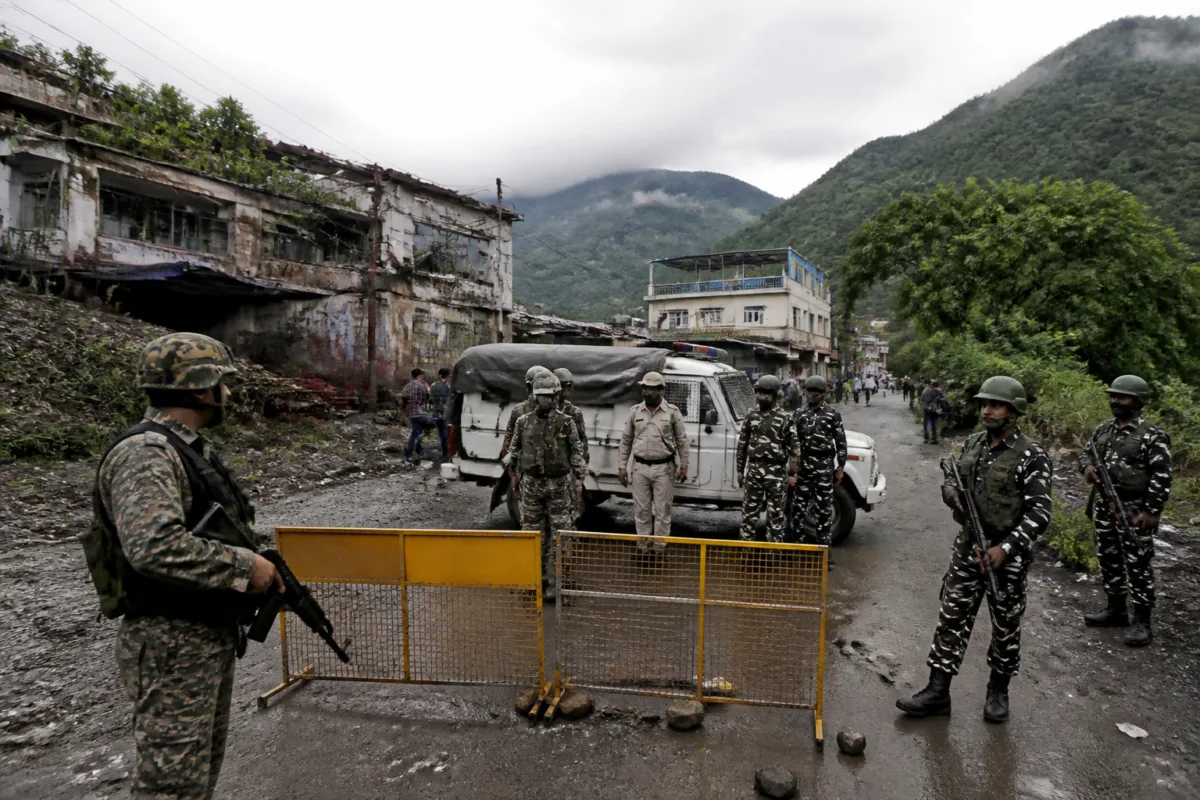
The Centre has ordered the deployment of two companies of the Central Reserve Police Force’s Rapid Action Force (RAF) to Arunachal Pradesh after violence in Pasighat during protests against the proposed 11,200-MW Siang Upper Multipurpose Project. Around 250 RAF personnel were being airlifted from Navi Mumbai aboard an Indian Air Force transport aircraft and were expected to reach Pasighat on Sunday, according to officials.
The Union home ministry directed the deployment as unrest continued in areas affected by protests against the proposed 11,200-MW hydropower project. The RAF is a specialised anti-riot unit of the CRPF. Several CRPF units are already stationed in the affected areas, while Arunachal Pradesh has a permanent deployment of two to three CRPF battalions.
Officials said CRPF personnel had helped contain the unrest since Friday and prevent further escalation. Several police and central forces personnel were injured in the violence, according to the report.
Arunachal Pradesh Police said a mob torched an NHPC office and a police station in East Siang district on Friday night. The residences of three political leaders, including the state BJP president, were also vandalised, police said. The incidents followed a 12-hour bandh across Siang, Upper Siang and East Siang districts against the proposed project.
The violence placed public infrastructure, government facilities and residential areas connected to local political administration at the centre of the security response. The reported targeting of an NHPC office is directly linked to the wider dispute over the proposed hydropower project, while damage to a police station and injuries to security personnel intensified the law-and-order situation.
Chief Minister Pema Khandu said the bandh had remained largely peaceful, but violence erupted in Pasighat after it ended and continued until 3.30 am on Saturday. He described the incidents as regrettable and appealed for peace.
Khandu said peaceful protest was an essential part of democracy but stressed that demonstrations must remain within the law and should not result in damage to property or disruption of public order. His statement came as central and state security forces worked to contain the unrest and prepare for the deployment of additional RAF personnel.
The proposed Siang Upper Multipurpose Project has a planned capacity of 11,200 MW and covers a region where public opposition has now led to a significant security mobilisation. The immediate response involves both the state police and central forces, with the RAF being added to units already deployed in Arunachal Pradesh.
The two RAF companies were scheduled to be airlifted from Navi Mumbai and deployed in Pasighat after reaching the area. Authorities have not provided further details in the supplied report on the duration of the deployment or on the next stage of consultations over the project. The official focus remains on containing violence, protecting public facilities and restoring public order.

