


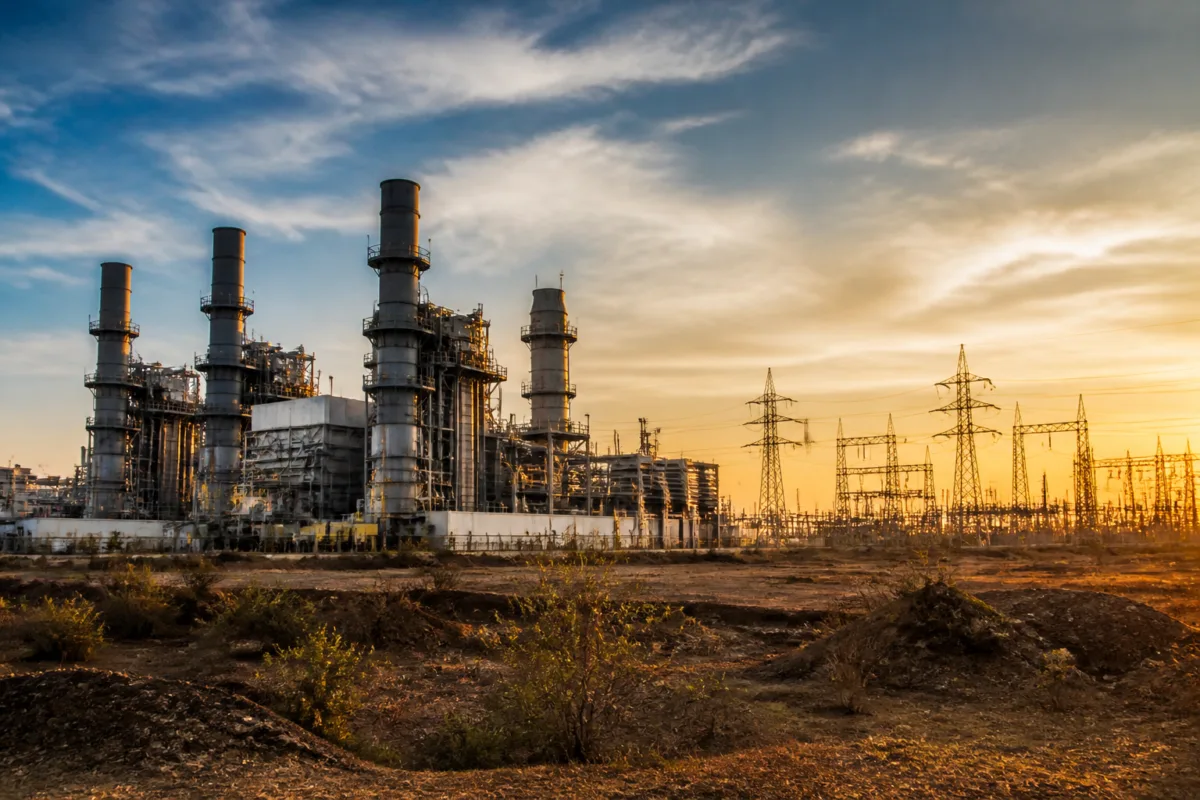
Rajasthan’s decision to draw electricity from the Dholpur gas power plant at up to Rs 46.09 per unit is more than a record-cost procurement episode. It exposes how a power system can have generating capacity on paper yet remain vulnerable when coal supply, thermal plant availability and market purchases fail to match demand. The immediate burden is being carried by the state’s power procurement system, but the deeper issue is the cost of keeping electricity supply reliable during sudden shortages.
According to a report by the Times of India – Jaipur, the 330MW Dholpur plant supplied electricity worth more than Rs 30 crore in the first 12 days of October. Its generation cost ranged from Rs 41 to Rs 46 per unit, reaching Rs 46.09 per unit. The report describes this as the highest rate recorded for the plant and among the costliest power purchases in the country.
The financial structure surrounding the plant is central to the story. Rajasthan Urja Vikas and IT Services Ltd (RUVITL), which procures power for the state’s distribution companies, turned to Dholpur during supply emergencies as demand rose and power availability in the market remained limited. However, the plant owner did not have an approved power purchase agreement with a tariff that would allow the cost to be recovered from the discoms. As a result, Rajasthan Rajya Vidyut Utpadan Nigam Ltd cannot pass the full generation expense through an approved tariff arrangement, leaving the financial burden within the state utility system.
This distinction matters because the price paid for emergency electricity is not simply a wholesale market number. It is also a signal of how procurement, tariff approval and financial accountability interact during a supply crisis. When a plant operates without an approved tariff framework, the state may secure electricity quickly, but the route for recovering the cost becomes uncertain. The power is available to meet an immediate requirement; the liability remains embedded in the entities arranging and distributing it.
The Dholpur plant’s recent use shows that the episode was not isolated. The plant operated for five consecutive nights in July at about Rs 30 per unit, with the cost reaching nearly Rs 13 crore, according to the report. It was deployed again in September at more than Rs 35 per unit after coal shortages and thermal plant shutdowns. By October, the cost had risen further, reaching Rs 46.09 per unit.
The sequence indicates how emergency generation can become progressively more expensive when the underlying shortage continues. In July, Dholpur served as a high-cost response to a supply crunch. In September, the plant was again required after coal and plant-availability problems. In October, the same response was used amid rising demand and limited market availability, but at a substantially higher rate. The report does not establish that each deployment was caused by a single factor, but it identifies a recurring dependence on gas generation when conventional sources or market purchases were not sufficient.
Gas-based power is particularly suited to rapid response compared with generation that depends on longer fuel and operating cycles. That flexibility can be valuable when demand rises suddenly or when other generating units are unavailable. The Dholpur case, however, shows the financial trade-off when flexible capacity is used as an emergency instrument without an approved tariff arrangement. The state gains access to electricity at a time of scarcity, but the cost of that reliability can be many times higher than normal generation or procurement rates.
The report places Rajasthan’s experience alongside Tamil Nadu’s recent decision to pay up to Rs 37 per unit for power, described as its costliest purchase ever. Tamil Nadu faced a 4,000MW shortfall linked to maintenance at central generating stations and reduced wind output, while peak demand approached 20,000MW. Its reliance on expensive gas-based generation reflects a similar problem: when lower-cost sources are unavailable, states must secure electricity through more expensive and less routine channels.
The comparison does not mean the two power systems face identical conditions. Rajasthan’s reported emergency procurement involved the Dholpur plant and a missing approved tariff or power purchase agreement. Tamil Nadu’s shortfall was associated with central-station maintenance and reduced wind generation. But the two cases point to a common operational vulnerability. Power planning must account not only for total installed capacity, but also for how quickly different sources can respond, whether fuel is available, and whether the commercial arrangements needed to use that capacity are already in place.
This is where the institutional question becomes important. RUVITL procures power for the discoms, while RVUNL is responsible for the generation asset identified in the report. The absence of an approved tariff agreement between the relevant entities complicates the movement of costs through the system. The arrangement may allow emergency electricity to flow to consumers, but it weakens clarity over who ultimately bears the difference between generation cost and recoverable tariff.
For discoms, that difference can become an additional financial pressure. The report specifically states that RVUNL must absorb the expense because it cannot recover the cost from the discoms under an approved tariff. It does not provide the total accumulated liability from all recent deployments, nor does it establish how the expense will eventually be treated in tariffs or accounts. Those details are important because emergency power costs can affect the financial position of state utilities even when consumers do not immediately see the full cost in their bills.
The Dholpur episode also underlines the difference between capacity adequacy and system resilience. A 330MW plant can exist, remain technically available and still be difficult to use as a normal source of supply if its power purchase and tariff arrangements are unresolved. Conversely, a state may possess substantial aggregate generation capacity but still need expensive emergency procurement when coal shortages, shutdowns or renewable-output changes occur at the wrong time.
The evidence supplied in the report is limited to recent deployments and cited generation costs. It does not establish the full state-wide demand profile during Rajasthan’s October shortages, the exact volume of electricity generated by Dholpur, the plant’s gas procurement terms, or the tariff that would apply if a power purchase agreement were approved. It also does not quantify the impact on retail consumers or specify how long the emergency use continued after the first 12 days of October. These gaps prevent a complete assessment of the episode’s total cost, but they do not diminish the significance of the documented rate and the unresolved recovery mechanism.
The immediate policy challenge is therefore dual. Rajasthan needs fast-responding capacity that can protect supply when conventional generation or market purchases fail. It also needs commercial and regulatory arrangements that make the cost of using that capacity transparent before an emergency occurs. The statement cited in the report from DD Agarwal, director at Samta Power, captures this tension: securing generation capacity is not enough; power systems also require flexible sources that can respond to demand spikes without exorbitant costs.
The Dholpur plant’s repeated deployment suggests that flexibility is already being used as a substitute for broader system availability. Whether that substitute remains financially manageable depends on fuel costs, plant utilisation, market conditions and the approval of a tariff framework. The report does not provide enough information to determine which of these factors contributed most to the October price, so the central lesson is institutional rather than technological: emergency capacity must be planned, contracted and financially governed before the shortage arrives.
For Rajasthan’s urban consumers, the issue is experienced indirectly. Households, businesses and public services depend on uninterrupted electricity, but they do not ordinarily see the procurement decisions behind the supply. When emergency power costs rise to Rs 46.09 per unit, however, the impact enters the wider electricity system through utility losses and the pressure to reconcile supply reliability with financial sustainability. The question is not only whether the lights remain on, but also whether the institutions supplying power can recover the cost without creating a larger balance-sheet problem.
The available evidence confirms that Rajasthan used Dholpur gas generation repeatedly during supply disruptions and that the October deployment carried an exceptionally high cost without an approved tariff agreement. What remains unclear is the eventual accounting treatment, the duration of the emergency requirement and whether a formal power purchase arrangement will be established. Those decisions will determine whether Dholpur remains a temporary crisis response or becomes a recurring and expensive feature of Rajasthan’s power planning.

