


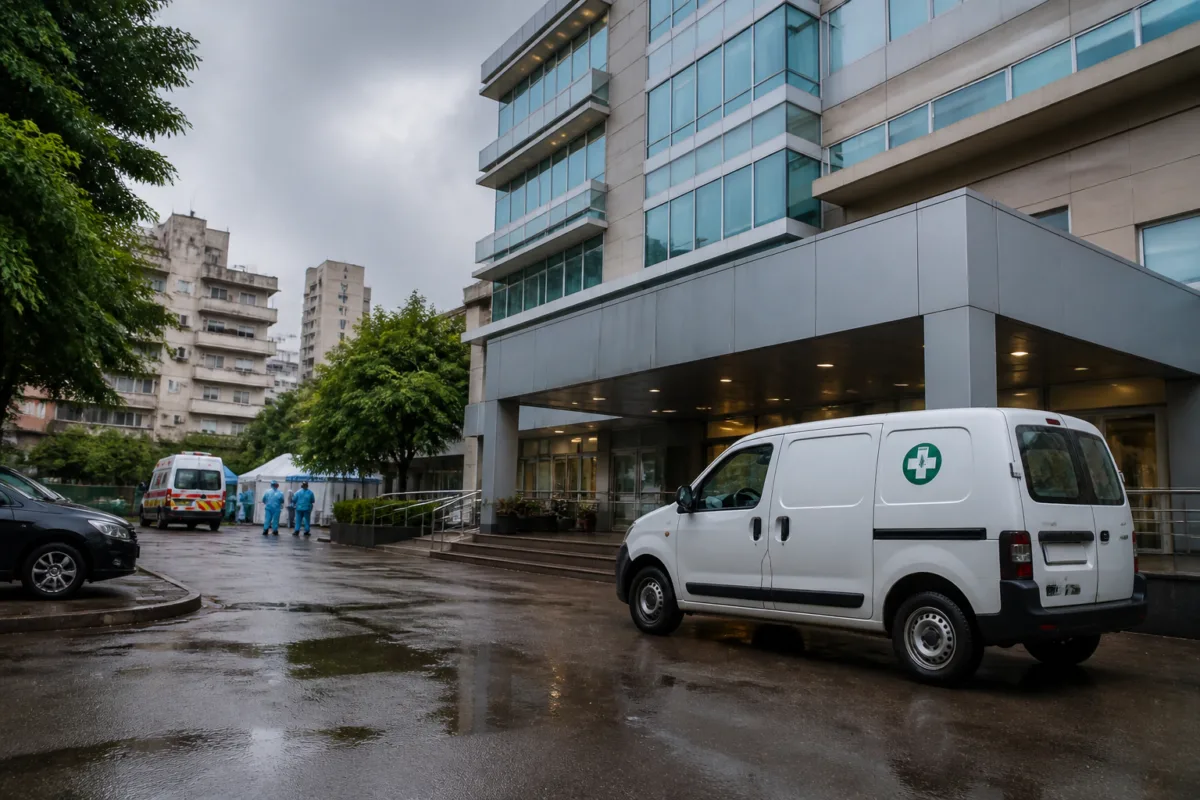
Pune Municipal Corporation has recorded the death of an eight-year-old girl as the city’s first suspected dengue death this season after she developed severe complications and multiple organ failure, while an official health audit will determine the final cause of death.
The girl died at Ruby Hall Clinic on Sunday night after suffering fever and abdominal pain for four to five days. According to paediatrician Dr Prashant Udavant, she had initially received treatment from a local doctor and had also undergone an ultrasound examination. As her symptoms persisted, dengue testing was advised and the results of IgM ELISA, IgG ELISA and NS1 antigen ELISA tests were reported positive.
Pune Municipal Corporation assistant health officer Dr Rajesh Dighe said the case would remain classified as a suspected dengue death until the civic health audit committee establishes the cause. This means the municipal record does not yet treat dengue as the conclusively certified cause of death.
The girl, who lived in Lohgaon, was initially admitted to a nearby hospital after Ruby Hall Clinic advised hospitalisation. She remained there for about 24 hours, during which her condition deteriorated and she developed breathing difficulty. She was shifted to Ruby Hall Clinic on Saturday afternoon in a critical condition, with very low blood pressure and worsening respiratory distress.
Doctors began emergency resuscitation and admitted her to the intensive care unit. Her platelet count, which had initially been around 200,000 and within the normal range, had fallen to approximately 50,000 by the time she reached the clinic. Her ferritin level had risen above 5,000, indicating a severe inflammatory response, according to the treating doctors.
The medical team suspected dengue shock syndrome and haemophagocytic lymphohistiocytosis, a serious inflammatory complication associated with dengue infection. Despite intravenous fluids and vasopressin to support blood pressure, her circulation remained unstable. She was later intubated and placed on mechanical ventilation as her respiratory distress increased.
The doctors also reported that her lactate level rose from six to 12, indicating inadequate blood supply to body tissues. By Sunday morning, her SGPT level, a liver-related enzyme normally around 43, had reportedly risen to approximately 43,000. Her kidneys subsequently failed and the functioning of several organs began to deteriorate.
Continuous renal replacement therapy was started to support her kidneys. The treatment also used Cytosorb technology to reduce inflammatory substances in the blood. However, her blood pressure did not improve and kidney function continued to worsen despite intensive-care treatment.
Doctors informed the family on Sunday morning that her condition was extremely serious and that her chances of survival were very low. She suffered cardiac arrest at about 8 pm that night. Resuscitation efforts were unsuccessful.
Ruby Hall Clinic doctors attributed the deterioration to dengue-related shock, severe liver injury, kidney failure and multiple organ failure. The Pune civic health audit committee will now examine the case before the death’s official cause is finalised.

