


Delhi recorded 179 clean-air days up to 15 September, the highest number reported for the corresponding period in a decade, according to the environment department. The figure comes as the city continues enforcement against road dust, waste, vehicle emissions and construction-related pollution.
The department said Delhi had recorded 172 clean-air days during the same period in 2025, compared with 94 in 2016. The latest figure represents an increase of 85 days over the 2016 count.
Environment Minister Manjinder Singh Sirsa described the data as a sign of continued improvement in Delhi’s air quality. He attributed the reported gains to sustained action against pollution from dust, waste and vehicles.
Delhi’s air quality index stood at 98 on 15 September, placing it in the satisfactory category, according to the information released by the government. The AQI reading reflects the city’s air quality over the preceding 24-hour period.
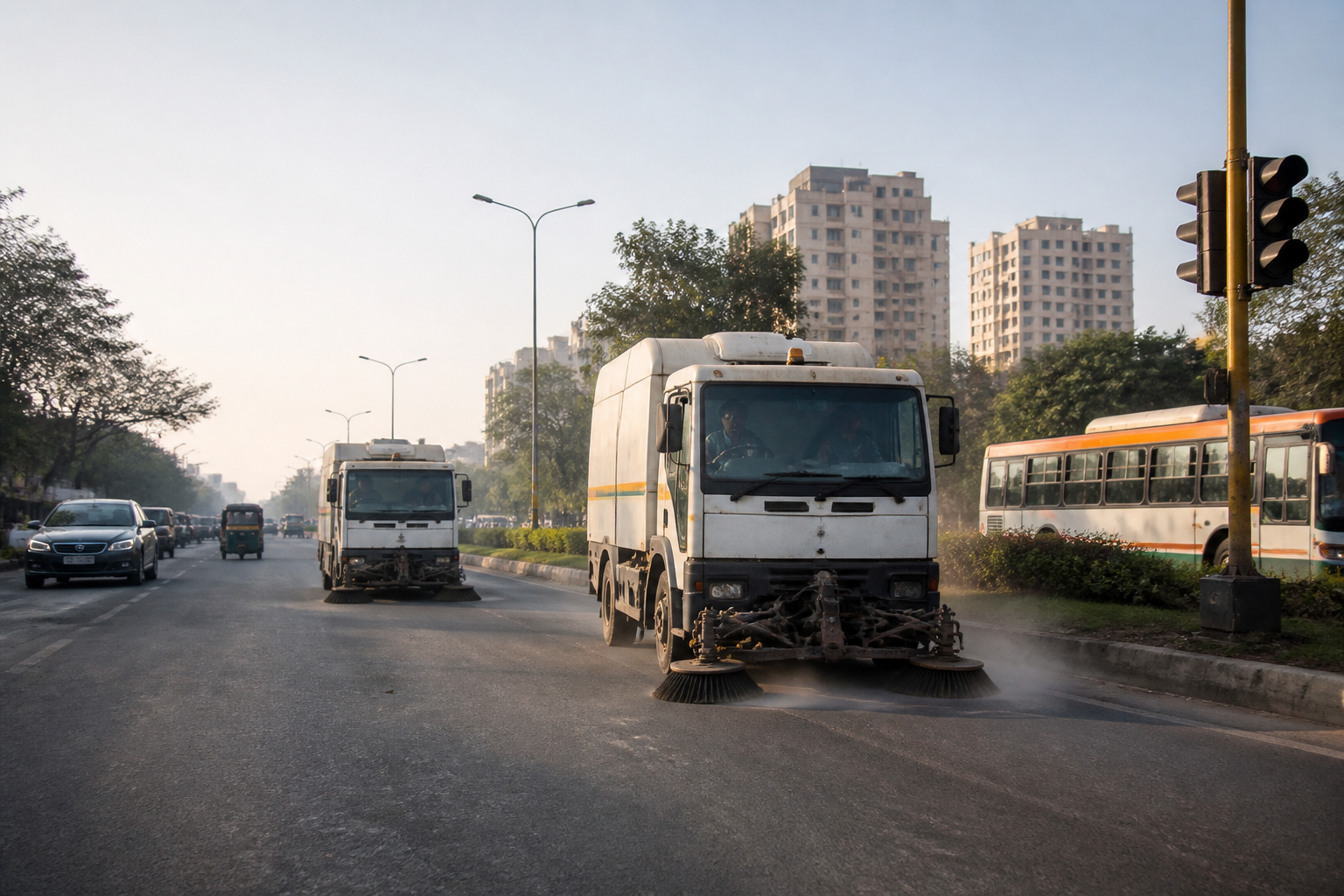
The city’s reported measures included mechanical road cleaning and enforcement against vehicle-related violations. In the previous 24 hours, 81 mechanised road sweepers covered approximately 2,279 kilometres of roads and removed 170 metric tonnes of road dust, the department said.
Authorities also issued 4,976 challans for violations linked to vehicle pollution during the same period. The department did not provide a further breakdown of the violations in the supplied information.
Waste and construction debris formed another part of the reported enforcement activity. Around 12,715 tonnes of waste and 2,113 tonnes of construction and demolition debris were disposed of during the period, according to the government’s account.
The department also reported processing around 19,212 metric tonnes of legacy waste through biomining at the Bhalswa, Ghazipur and Okhla landfill sites. Biomining involves processing older waste accumulated at landfill sites, and the figures indicate the scale of material being handled at Delhi’s three major landfill locations.
The reported results link air-quality management to several municipal operations rather than to a single intervention. Road sweeping addresses dust on transport corridors, while waste removal, construction-debris disposal and landfill processing relate to other sources and urban systems associated with pollution management.
The figures cover the period up to 15 September and were presented by the environment department as evidence of improvement compared with earlier years. The department’s account did not provide a source-wise assessment showing how much each intervention contributed to the increase in clean-air days.
For residents, the latest AQI reading and the clean-air-day count provide a snapshot of current conditions, while the enforcement figures show the operational scale claimed by authorities. The next reported air-quality readings and continued action across roads, waste sites, vehicles and construction activity will determine how the improvement is tracked through the remaining period of the year.
