


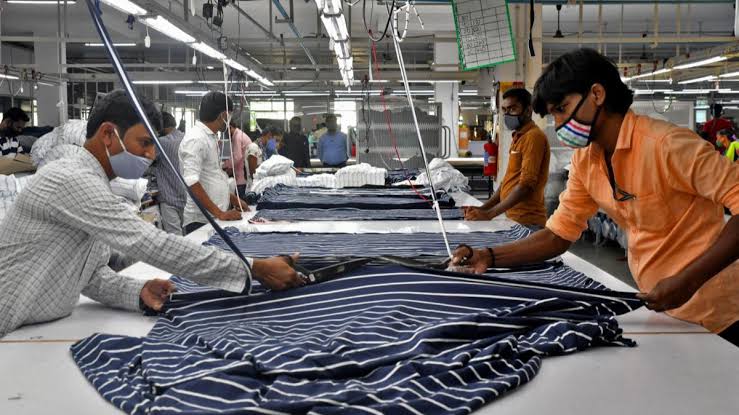
The Iran conflict is exposing how dependent the global apparel supply chain is on a tightly connected network of raw materials, factories, freight routes and retail buyers. Rising energy, transport and fabric costs are now squeezing manufacturers in South Asia, where even a small disruption can affect factory operations, export earnings and the price of clothing sold months later.
At Plummy Fashions, a garment manufacturer on the outskirts of Dhaka, one production hall continues to make women’s black T-shirts for Zara stores in Europe. Another has remained idle for three months after a buyer placed polyester orders on hold, waiting for prices to fall. The contrast captures the pressure moving through the apparel economy: factories are still receiving orders, but they are being asked to manage higher input costs while buyers remain unwilling to pay more.
The conflict in Iran has intensified pressures that were already building across global manufacturing. Apparel companies have spent years dealing with the pandemic, disrupted supply chains and US tariffs. The latest shock is affecting several parts of the production chain at once, including crude oil, synthetic fibres, cotton, chemicals, freight and energy.
That combination matters because clothing production is not concentrated in a single factory or country. A basic garment may involve multiple suppliers and dozens of steps before it reaches a shop. Fibre production, yarn spinning, fabric making, dyeing, cutting, stitching, finishing and transport can take place across different locations. When the cost of energy or freight rises at one stage, manufacturers and retailers must decide whether to absorb it, pass it on or alter the product.
The raw-material problem is particularly difficult because polyester and cotton are both under pressure. Polyester is derived from fossil fuels and its price rose sharply after crude markets strengthened. In China, polyester prices reached a near four-year high, while Plummy reported that polyester yarn prices increased by as much as 25% within weeks of the conflict beginning.
Cotton prices have also climbed. Buyers have been seeking alternatives as supplies tighten, while fertilizer shortages and concerns about a powerful El Niño affecting future harvests have added uncertainty. Cotton futures recently reached their highest level since March 2024, according to the report.
That removes an important buffer for apparel companies. Brands can usually shift between natural and synthetic fibres when one becomes more expensive. But when both major fibres face simultaneous cost pressure, substitution becomes less useful. Julian Hügl, a partner at McKinsey & Co., described the situation as unusual because brands are losing the ability to offset one material against another.
The cost structure of garment manufacturing leaves suppliers with limited room to respond. Raw materials account for about 60% of the cost of a basic T-shirt, according to Fazlul Hoque, Plummy’s managing director. Factory margins, by contrast, typically average only 2% to 3%. This means a sharp increase in yarn, fabric, fuel or freight costs can quickly eliminate the profit from an order.
Manufacturers may appear to be part of a global retail chain, but they often have little negotiating power within it. Plummy supplies brands including Zara and Pull&Bear, which are owned by Inditex. Yet Hoque said the company was absorbing higher costs because demand remained weak and buyers had alternatives. The manufacturer does not produce cotton, polyester chips or petroleum, leaving it exposed to costs it cannot control.
The same pressure is visible in other inputs. Mohit Jain, executive vice chairman of Indian textile producer Indo Count Industries, said during an earnings call that every major input cost had increased, including polyester yarns, cotton yarns, dyes, chemicals, oil and gas. This suggests that the disruption is not limited to one fibre market or one transport route.
For India, the problem extends beyond the retail price of clothing. The country is one of the world’s largest apparel sourcing centres and accounts for about 4% of global textile and clothing trade. Its ready-made garment exports fell 4.5% in July from a year earlier, while shipments declined 10.5% during the first four months of the fiscal year, according to the report.
Those figures place the cost shock within a broader manufacturing and employment system. Apparel factories are connected to exporters, ports, logistics companies, textile mills and large workforces. When orders are delayed, cancelled or produced at a loss, the effect is not confined to a brand’s quarterly margin. It can reach factory utilisation, wage security, supplier payments and the viability of production clusters.
Bangladesh faces a different but related disruption. The country exports roughly $800 million in garments annually to Middle Eastern markets, but that trade has been almost entirely suspended for now. This creates a double pressure: factories must manage higher costs while some routes and destination markets are no longer operating normally.
The urban dimension of this crisis is visible in the manufacturing districts that depend on export production. Factory floors, industrial utilities, freight connections and worker incomes are part of the same system. A silent production hall is therefore not just a business problem. It is an indicator of how international conflict can reach industrial neighbourhoods far from the battlefield through commodity markets and purchasing decisions.
Retailers have more options than manufacturers, although none is cost-free. They can pressure suppliers to accept lower prices, shift production or materials, reduce product features, change fabric blends or increase retail prices. Swedish clothing brand ASKET chose to raise prices rather than reduce quality or source elsewhere, according to its co-founder Jakob Dworsky.
Other companies may make less visible changes. Manufacturers and consultants cited in the report said brands could reduce fabric weights, simplify designs, alter material blends or remove product features to offset higher costs. These decisions may not be immediately obvious to consumers, but they change how products are designed and made.
The timing of the impact is also important. Apparel retailers often place orders as far as a year in advance. That means the full effect of current cost increases may not appear in stores immediately. Higher expenses could reach consumers during the autumn, with a larger impact potentially appearing in the following spring and summer selling seasons.
Julian Hügl estimated that price increases in basic apparel categories could eventually reach 10% to 20%, although the effect could take up to a year to become visible. This remains an estimate rather than an announced price schedule. The report also notes that Inditex expects disruptions in the Middle East to continue weighing on gross margins during the second half of the year.
Inditex said it had adapted its transportation methods and sourcing arrangements and was relying on a supply network spread across dozens of countries. Such diversification can reduce dependence on a single location, but it does not remove exposure to common global inputs. Factories in different countries may still buy polyester, cotton, fuel or chemicals from markets affected by the same geopolitical and weather pressures.
This is the central weakness exposed by the current disruption. A supply network can be geographically diversified while remaining economically concentrated. Many producers may depend on the same fibre markets, the same energy costs and the same freight conditions. Shifting the location of stitching does not necessarily solve a shortage or price spike in the materials used before stitching begins.
The crisis also shows why manufacturers and brands experience the same event differently. Retailers can distribute risk across products, suppliers and markets. A factory often has a narrower set of buyers and fixed operating costs, including machinery, workers and utilities. When buyers resist higher prices, the supplier may continue production with thinner margins or risk losing the order.
Consumer demand adds another constraint. Rising grocery and energy bills can leave households with less money for discretionary purchases such as clothing. Retailers therefore face a difficult choice: raise prices and risk weaker demand, or hold prices steady and accept lower margins. Fritz Grobien, president of the Bremen Cotton Exchange, said the textile value chain depends heavily on consumer sentiment and available cash.
At the factory level, this creates a feedback loop. Higher input prices increase the cost of production. Weak consumer demand makes price increases harder to implement. Buyers then push suppliers to maintain competitive prices, which places more pressure on already limited factory margins. If orders fall, factories may reduce shifts or leave capacity unused, as seen at Plummy.
The evidence supplied in the report does not establish how long the conflict will continue or which companies will ultimately absorb the largest losses. It does, however, show that the effects are already moving through raw-material markets, factory operations, export performance and retail planning. It also shows that the consequences are delayed: decisions made in commodity and sourcing markets today may appear in stores months later.
For India and other Asian manufacturing centres, the developments deserve attention beyond the price of clothing. Export declines, input inflation and weaker orders can affect industrial employment and the financial stability of supplier networks. The relevant indicators will be polyester and cotton prices, freight conditions, factory utilisation, apparel exports and consumer spending.
The apparel supply chain is therefore functioning as an early warning system for wider urban economic stress. It links energy markets and shipping routes to factory floors, export hubs and household budgets. The current evidence confirms that both major fibres are facing pressure at the same time, while manufacturers have limited ability to pass costs on. What remains uncertain is whether brands will raise prices, change products, move sourcing or continue shifting the burden down the chain as the conflict and commodity pressures evolve.

