


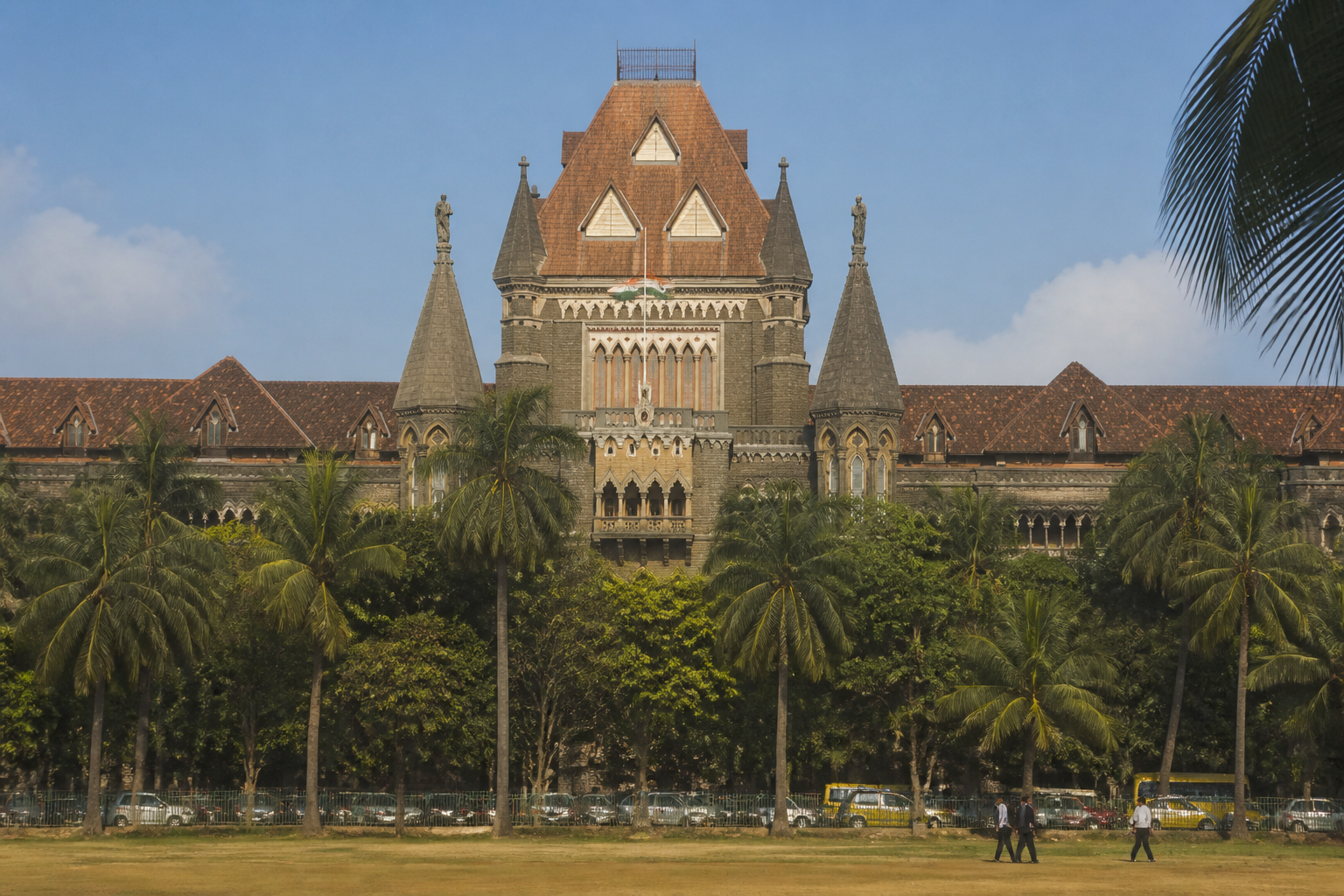
The Mumbai High Court has reserved its verdict on a petition challenging Maharashtra provisions that allow homeopathy doctors who complete the Certificate Course in Modern Pharmacology (CCMP) to provide allopathic medical services in the state.
The case, filed by the Indian Medical Association (IMA), concerns amendments made in 2014 to the Maharashtra Medical Council Act and the Maharashtra Medical Practitioners Act. The amendments enabled the introduction of the CCMP course and created a legal framework under which trained homeopathy doctors could practise modern medicine within the scope permitted by the state provisions.
A division bench of Justices Riyaz Chagla and Farhan Dubash was hearing the petition. During Thursday’s hearing, the court recorded that arguments from all sides had been completed and reserved its decision. The court has not yet announced a date for the judgment.
The IMA has primarily challenged the state’s legislative authority to introduce the amendments and permit CCMP-qualified homeopathy practitioners to provide allopathic services. The petition has therefore raised questions about the legal basis of the framework, in addition to the implications for the regulation of medical practice in Maharashtra.
The state government opposed the challenge. Appearing for the government, Advocate General Milind Sathe argued that the IMA is a voluntary association of doctors and had not demonstrated how the amendments caused it a specific legal injury. According to the government’s submissions, an organisation cannot challenge the constitutional validity of a law merely because it disagrees with its provisions.
The state also argued that the petition was not based on an alleged violation of doctors’ fundamental right to practise a profession under Article 19(1)(g) of the Constitution. The government’s position, as reported during the hearing, was that the IMA had not shown that the amendments affected the professional services of allopathic doctors in a manner that could support such a challenge.
The Advocate General further submitted that the petition principally questioned the state’s power to enact the amendments rather than asserting that doctors’ right to practise had been infringed. This distinction is central to the case because it places the focus on legislative competence and the statutory design of the CCMP framework.
The dispute has implications for how Maharashtra defines the boundaries between different systems of medicine and regulates practitioners who receive additional training in modern pharmacology. It also concerns the legal conditions under which homeopathy practitioners may provide allopathic services, an issue that has been contested by professional medical bodies.
With the arguments now complete, the next formal step in the proceedings is the pronouncement of the Mumbai High Court’s judgment on the IMA’s challenge to the 2014 amendments and the provisions governing CCMP-qualified homeopathy doctors.
