


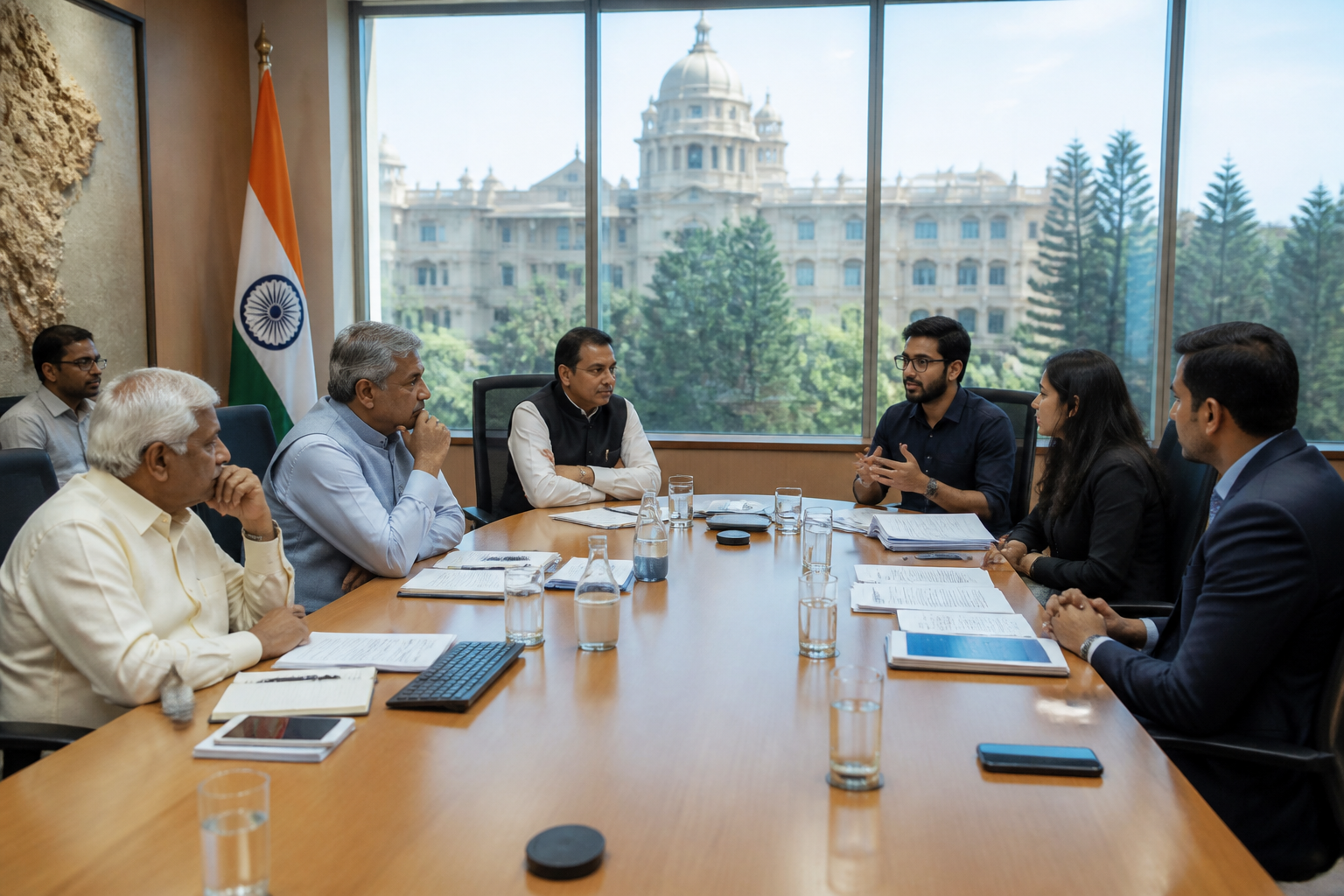
Karnataka’s cabinet has approved a new government-first startup policy that will allow eligible startups to pitch technology and products directly to state departments, while also clearing new aerospace and textile policies aimed at attracting investments and creating jobs.
The decisions were taken at a cabinet meeting in Bengaluru on Wednesday, a day before Chief Minister D K Shivakumar was due to complete 100 days in office. Deputy Chief Minister G Parameshwara said the amended startup policy would allow the government to identify and test solutions for social and administrative challenges before they are proven in the private sector.
“Instead of waiting for technologies to be tested and proven by the private sector, we have decided to allow startups to come to the government first to make a pitch,” Parameshwara said while briefing the media.
Under the policy, startups will be able to present solutions worth up to Rs 25 lakh directly to government departments. IT-BT and Home Minister Priyank Kharge said safeguards would be introduced to ensure that participating companies are credible. Startups will have to come through government-sponsored programmes such as Elevate or demonstrate a credible funding track record, he said.
The cabinet also approved the Aerospace Policy 2026-2031, under which Karnataka is seeking investments of Rs 60,000 crore over five years. The state plans to offer incentives to companies investing in the sector, with subsidies of up to 30% for investments in focus areas and up to 25% for non-focus areas. The policy divides the state into different zones for the purpose of providing incentives.
Parameshwara said the aerospace policy is expected to support at least 50,000 jobs. He cited Tata Systems’ plan to construct light combat aircraft in association with Hindustan Aeronautics Limited as an example of a project that could receive incentives from the state government.
The cabinet further cleared the Textile and Readymade Garments Policy 2026-31. The policy will provide credit-linked incentives and a power subsidy of up to Rs 2 per unit to eligible industries. The government has identified 33 taluks for textile and garment-sector development and plans to spend up to Rs 4,000 crore over the next five years.
According to Parameshwara, the textile policy is intended to attract investments of Rs 20,000 crore. The cabinet’s decisions link direct public-sector adoption of startup products with broader industrial incentives in aerospace, textiles and garments. Further details on the implementation process, eligibility criteria and department-level timelines were not provided in the announcement.
