Kolkata Bus Services Step Up After Rail Disruption
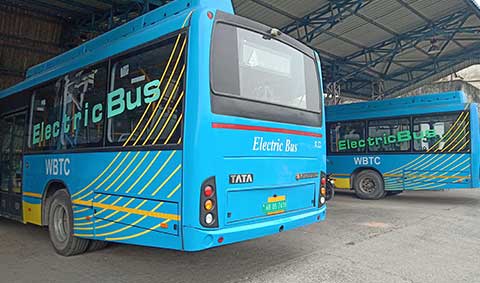
Kolkata has become a key pressure point in West Bengal’s response to the rail disruption near Farakka, with additional long-distance buses being deployed to keep passengers moving towards North Bengal. The intervention highlights how heavily regional mobility still depends on a few critical transport corridors and how quickly a failure in one network can push demand onto another.
The disruption followed heavy rain and land subsidence between New Farakka and Kalindri, affecting the rail connection between southern and northern parts of the state. Several trains were cancelled or diverted, leaving passengers travelling through Kolkata with limited alternatives during a busy holiday period.In response, the state transport system expanded services from Kolkata towards Siliguri, Malda and Balurghat. Twenty-three additional buses were placed on the Kolkata–Siliguri corridor, while existing services were extended and more vehicles added to other routes. Five services were also operating between Malda and Kolkata.Kolkata’s New Esplanade Bus Terminus became an important departure point for passengers heading towards North Bengal. Six additional evening services were scheduled for Siliguri, with departures spread from late afternoon into the night. Transport authorities also kept the option of adding further services according to passenger demand.
For passengers, however, the issue goes beyond the number of buses available. A sudden shift from rail to road can increase journey times, create crowding at terminals and place pressure on already busy highways. Reports also indicated a shortage of bus tickets and higher fares as travellers searched for alternatives to cancelled trains.The episode exposes a wider urban and regional planning challenge for Kolkata. The city is not only a major employment and commercial centre but also one of Bengal’s principal gateways to distant districts. When rail infrastructure is compromised, the resulting mobility shock quickly reaches the city’s roads, bus terminals and surrounding transport networks.There is also a climate-resilience dimension. Heavy rainfall contributed to ground instability around the railway corridor, showing how extreme weather can disrupt infrastructure well beyond the location of the physical damage. For Kolkata and other major cities, resilient transport planning increasingly requires coordinated rail, bus and road systems rather than treating each network separately.
The immediate priority remains maintaining affordable and reliable passenger movement while rail connectivity stabilises. Longer term, the disruption underlines the need for stronger multimodal contingency planning, climate-resilient infrastructure and enough public transport capacity to absorb sudden shifts in demand.