Pune Energy Storage Gains Momentum With New Technology
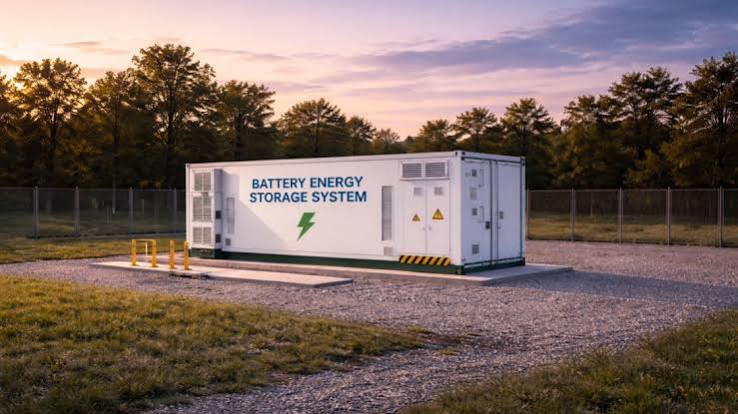
Pune is emerging as a manufacturing base for battery energy storage as infrastructure company SPML Infra says its 104.4 kWh battery pack has cleared key international safety, performance and transport tests. The development comes as India seeks more flexible electricity infrastructure to absorb renewable power, manage peak demand and strengthen grid reliability.
The company’s Pune facility at Supa Parner Industrial Park is being developed with an initial manufacturing capacity of 2.5 GWh. SPML has previously outlined plans to expand that capacity to 5 GWh by FY28, alongside greater local production of storage equipment. SSPML Infra Limited+1 Battery Energy Storage Systems (BESS) store electricity and release it when required. For cities and industries, the technology can help manage fluctuations in electricity supply, particularly as solar and wind generation increase. Unlike conventional generation, renewable output varies with weather and time of day, making storage increasingly important for balancing the grid. The certification milestone is relevant because safety becomes a critical consideration as battery installations grow. SPML said the testing covered areas including thermal runaway, battery performance, functional safety, electromagnetic compatibility and transport requirements. These checks are intended to establish whether battery systems can operate and be moved safely under defined conditions.
The wider market opportunity is substantial. India’s National Programme on Advanced Chemistry Cell Battery Storage carries an outlay of ₹18,100 crore for 50 GWh of manufacturing capacity over five years, signalling continued policy support for domestic battery production. IIEA The company has also secured a ₹1,128 crore order for a 250 MW/1,000 MWh BESS project, according to its latest investor presentation. The project includes battery containers, power equipment, grid infrastructure and long-term operations and maintenance. SSPML Infra Limited For Pune, the manufacturing activity adds another layer to an industrial economy already anchored by engineering, automotive and technology businesses. It could also create demand for specialised manufacturing, electrical engineering, testing and maintenance skills. However, the economic value will depend on how much of the supply chain is actually localised rather than assembled from imported components.
There is a larger urban implication. As electricity demand rises from data centres, commercial buildings, transport electrification and industrial activity, reliable low-carbon power becomes increasingly important to urban resilience. Storage can support renewable integration, but it does not itself make electricity generation carbon-free; its climate benefit depends largely on the energy sources charging the batteries. India’s storage requirement is expected to rise sharply as renewable capacity expands. The International Energy Agency has identified batteries as an important source of flexibility for integrating solar and wind while improving electricity-system security. IIEA+1 The next test for Pune will therefore be moving beyond manufacturing milestones towards safe, cost-effective and responsibly managed deployment. For a rapidly growing urban economy, storage infrastructure could become an important part of keeping power systems reliable while enabling a cleaner electricity mix.