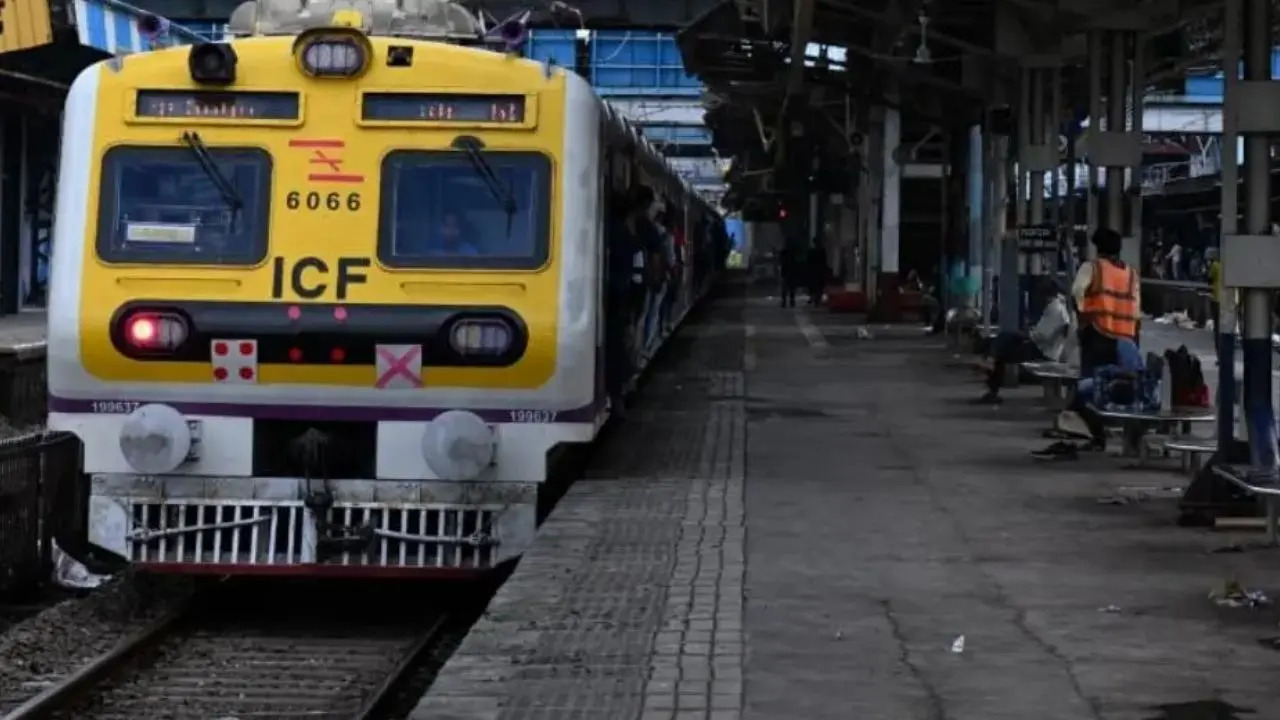
Mumbai is likely to remain under partly cloudy skies on September 4, with light rain possible across the city and suburbs. Rainfall over the previous 24 hours remained modest, even as the coastal city entered another high-tide cycle. The combination points to a quieter spell in the monsoon, but tidal conditions remain relevant for commuters and low-lying neighbourhoods where drainage capacity can quickly come under pressure during heavier spells. Mumbai recorded an average 4.18 mm of rainfall in the city between 8 am on September 3 and 8 am on September 4. The eastern suburbs received 3.79 mm, while the western suburbs recorded only 1.22 mm. The uneven distribution highlights how rainfall can vary considerably across Mumbai despite the city sharing the same broad weather system.
The Mumbai weather outlook indicates occasional light showers rather than widespread heavy rain. For residents, that means wet-road disruptions may be limited in the immediate period, but short bursts can still affect visibility, traffic speeds and pedestrian movement, particularly around areas with persistent drainage constraints. Tidal movement will remain another factor for the city’s infrastructure network. A high tide of 3.41 metres is expected at 4.07 pm on September 4, followed by another high tide of 3.46 metres at 6.01 am on September 5. The intervening low tide is forecast at 1.20 metres at 10.29 pm on Friday. The relationship between rainfall and tides matters because Mumbai’s storm-water drainage system ultimately depends on the ability of water to discharge into the sea. When heavy rainfall coincides with high tide, drainage can slow and waterlogging risks can rise in vulnerable locations. With rainfall currently limited, the immediate pressure on the system is lower.
The Mumbai weather pattern also reinforces a broader urban planning challenge. The city has to prepare for both intense rainfall events and extended periods of relatively low precipitation. Climate resilience therefore depends not only on larger drainage infrastructure but also on maintaining natural water channels, protecting wetlands and improving local water retention. For businesses, transport operators and daily commuters, predictability is often as important as rainfall totals. Even moderate showers can affect travel times when they coincide with peak-hour traffic or localised drainage problems.
The coming days will determine whether the current subdued rainfall pattern persists or gives way to stronger monsoon activity. Until then, residents can expect generally cloudy conditions with occasional light showers, while civic agencies will need to continue monitoring rainfall and tidal levels across the city.