Hyderabad Rahmath Nagar Drain Work Remains Incomplete
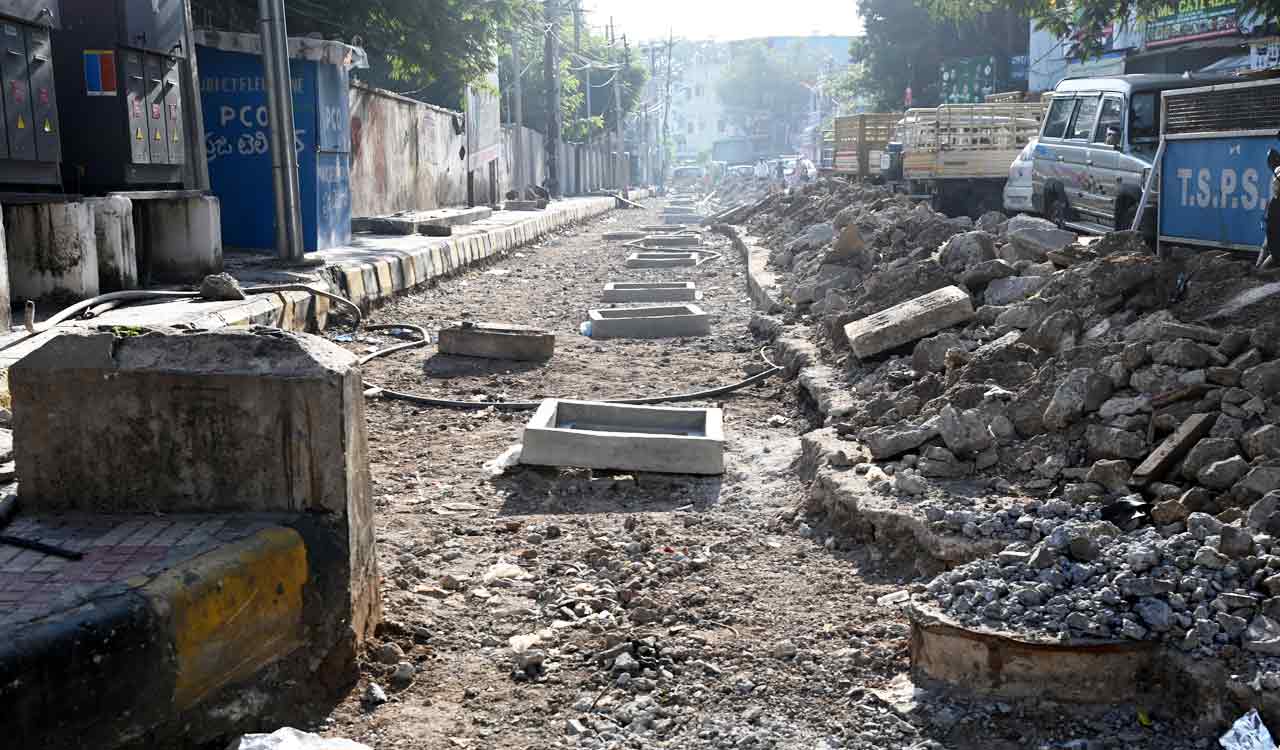
HYDERABAD: A stormwater drain under construction in Rahmath Nagar has collapsed again, raising concerns over construction delays, sewage flow and access for local residents. The 20-metre-long and 24-metre-wide Rahmath Nagar nala has remained under construction for nearly five months, affecting movement through the surrounding residential lanes.
The drain is being constructed beside Madhura Nagar police station. A section had reportedly collapsed earlier, while another failure occurred in the early hours of Tuesday. Workers subsequently removed concrete laid over the affected portion. The prolonged work has disrupted access to nearby homes and places of worship, including the Pochamma temple, Hanuman temple, Baptist church and Bangaru Maisamma temple. Schoolchildren are also facing difficulty using the uneven road created around the construction area. For residents, the problem extends beyond the delayed infrastructure work. Routes that were previously short and direct now require longer movements through adjoining lanes. This can become particularly difficult for pedestrians, schoolchildren and people accessing local facilities. The Rahmath Nagar nala project was reportedly affected by an existing water pipeline along the original alignment. According to civic officials, repeated communication with water and sewerage authorities did not resolve the issue, leading to a change in the drain’s alignment.
The revised alignment was planned alongside the pipeline, adding complexity to the construction process. Such conflicts between drainage and utility networks can cause delays when existing underground and surface infrastructure is not fully coordinated before construction begins. The repeated collapse has now added another concern. Civic staff said heavy sewage flow at the site affected the temporary centring supporting the nala slab. The structure was unable to withstand the flow, resulting in the newly laid concrete giving way. The situation highlights the need to manage active sewage and stormwater flows before structural work is carried out. Temporary construction supports need to remain stable even when water levels or flow volumes change. Officials have indicated that alternative arrangements will be made to prevent further centring failures and allow the remaining work to continue. For the neighbourhood, however, completing the project is only one part of the requirement. The restored road should provide safe pedestrian movement and reliable access to homes and community facilities once construction ends. The extended construction period has placed additional pressure on a small residential network. When a local road remains disrupted for months, the effects can spread to adjoining lanes as traffic and pedestrians search for alternative routes.
The Rahmath Nagar nala episode also underlines the importance of coordinating drainage projects with existing utility infrastructure before work begins. Early identification of pipelines, sewage flows and access requirements can reduce redesigns and construction-related disruption. A durable solution will require the remaining drain work to be completed safely, while ensuring that surrounding roads are restored properly. For residents, the priority is not simply a finished nala but a functioning drainage system and safe, uninterrupted access to their neighbourhood.