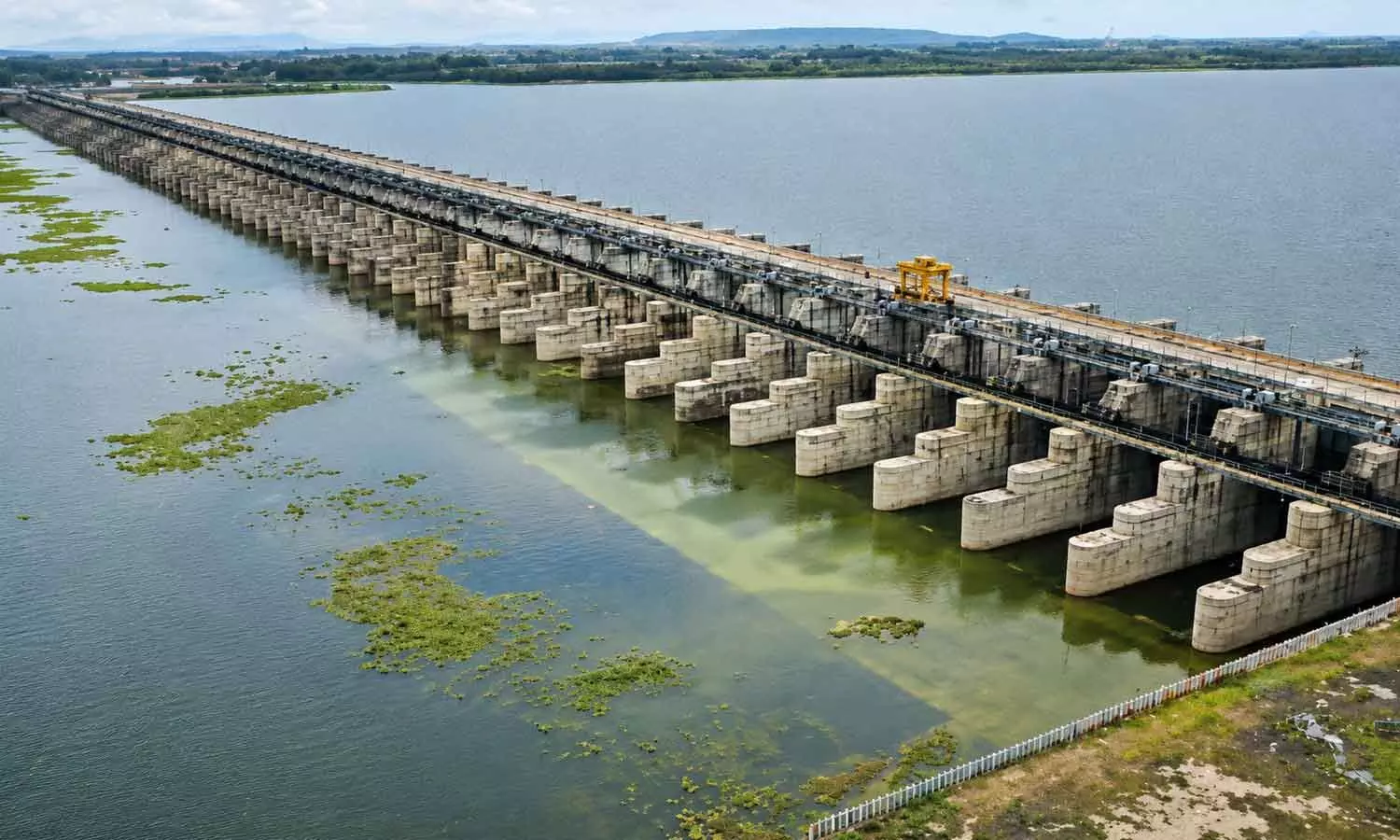
Hyderabad Maharashtra Talks Raise Hopes For Tummidihatti
HYDERABAD: A Central Water Commission meeting between Telangana and Maharashtra has opened a fresh opportunity to resolve long-standing issues surrounding the proposed Tummidihatti barrage on the Pranahita River. The talks examined the proposed 152-metre reservoir level, possible submergence in Maharashtra and water availability. No final decision was taken, but another round of discussions is expected in September, keeping the irrigation project under active consideration.
The meeting was convened by the Central Water Commission (CWC) to bring both states together on the technical and inter-state questions delaying the project. Officials from Telangana and Maharashtra presented their respective positions before the commission. A major point of discussion was Telangana’s proposal to construct the barrage at a Full Reservoir Level of 152 metres. Maharashtra has raised concerns about the potential land submergence resulting from the higher reservoir level. Telangana officials argued that increasing the proposed level from 148 metres to 152 metres would result in only limited additional submergence. The state is expected to share detailed submergence data and technical studies with Maharashtra before the next meeting.
This exchange of technical information could be important for moving the project beyond a prolonged inter-state dispute. A common assessment of the likely impact would allow both states to examine the proposal using comparable data rather than relying only on competing positions. Water availability in the Pranahita River system was another major issue. The states and the CWC will need to establish how much water can be reliably utilised by the proposed project. This assessment will be central to determining whether the barrage can deliver the irrigation benefits expected from it. Telangana has been seeking the revival of Tummidihatti as part of its broader effort to utilise Pranahita waters for irrigation. The project has remained under discussion for years because of technical questions, water availability and its potential impact across the state boundary. The talks also considered safeguards for projects and water interests in Maharashtra, including upstream and downstream concerns. Telangana indicated that appropriate technical and operational safeguards could be developed as part of the project framework.
From a regional development perspective, the outcome could have implications beyond the barrage itself. Greater certainty over water availability can influence irrigation planning, agricultural activity and the development of water-dependent areas in Telangana. However, the project remains far from a final resolution. The CWC has not approved the proposal, and further technical examination is required. The next meeting will be important in determining whether the two states can narrow their differences on submergence, water utilisation and safeguards. The latest discussions nevertheless mark a constructive step in an issue that has remained unresolved for years. Continued evidence-based negotiations between Telangana, Maharashtra and the CWC will be crucial to finding a technically sound and mutually acceptable way forward for the Tummidihatti barrage.