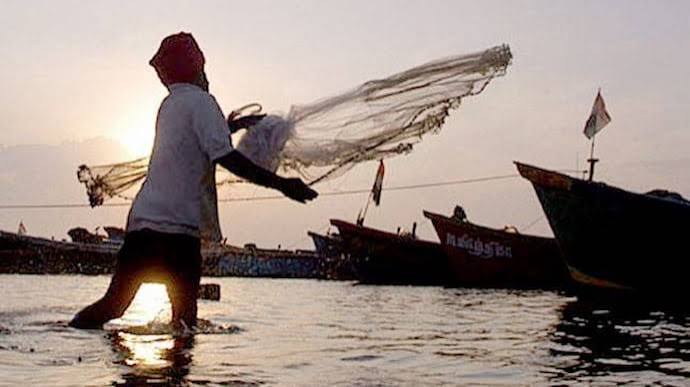
Pune Fishermen Challenge Ujani Plans Over Livelihoods
A proposed shift in fishing management and a floating solar project at Ujani reservoir have triggered a major livelihood and environmental dispute, with hundreds of fishermen from Pune, Solapur and Ahilyanagar districts staging a water-immersion protest at Palasdev in Indapur. The demonstration was withdrawn after officials promised a meeting within 15 days to examine the concerns, keeping both proposals under scrutiny.
The Ujani reservoir protest centres on plans to introduce private participation in fishing rights and develop floating solar infrastructure within part of the reservoir’s catchment. For communities living around the water body, the issue is not simply access to fishing grounds. The reservoir has become an economic base for households displaced when the Ujani dam was built, with fishing gradually replacing lost agricultural livelihoods. Community representatives estimate that more than 30,000 people now depend directly or indirectly on reservoir fishing across the three districts. The wider livelihood chain includes boat operators, fish traders, transporters, processors and other small businesses. Any change in access could therefore have effects beyond fishermen working directly on the water. The proposed fisheries arrangement is currently far from a completed commercial contract. Dam authorities have issued an Expression of Interest seeking concept proposals for fisheries and aquaculture activities involving fishing rights. The proposal has been forwarded to the relevant commissioner’s office for approval, and officials have indicated that no private entity has yet been selected.
That distinction matters. It leaves scope for authorities to examine whether a future operating model can protect existing fishing communities while improving management of the reservoir’s fisheries. Urban and regional development experts say livelihood safeguards, transparent allocation processes and community participation are particularly important when public water resources support established local economies. The floating solar proposal presents a different but connected challenge. Solar panels installed on reservoirs can generate electricity without consuming additional land, making them potentially useful for expanding renewable power. But their environmental and operational footprint depends heavily on where and how installations are located. At Ujani, fishermen and local tourism operators have raised concerns that floating structures could restrict navigation and reduce access to fishing areas. They have also pointed to possible effects on bird habitats and nature-based tourism around the reservoir. These concerns require site-specific ecological and livelihood assessments rather than assuming that renewable energy infrastructure is automatically compatible with every water body.
The Ujani reservoir protest has consequently brought two development priorities into the same debate: expanding clean energy and strengthening local economic security. Neither objective needs to be treated in isolation, but both require evidence on carrying capacity, biodiversity, navigation, fishing access and community income before decisions are finalised. The promised administrative meeting will now be crucial. A transparent assessment, public disclosure of project boundaries and meaningful participation from affected communities could help determine whether Ujani’s future can accommodate renewable energy and fisheries development without transferring the costs to people whose livelihoods already depend on the reservoir.