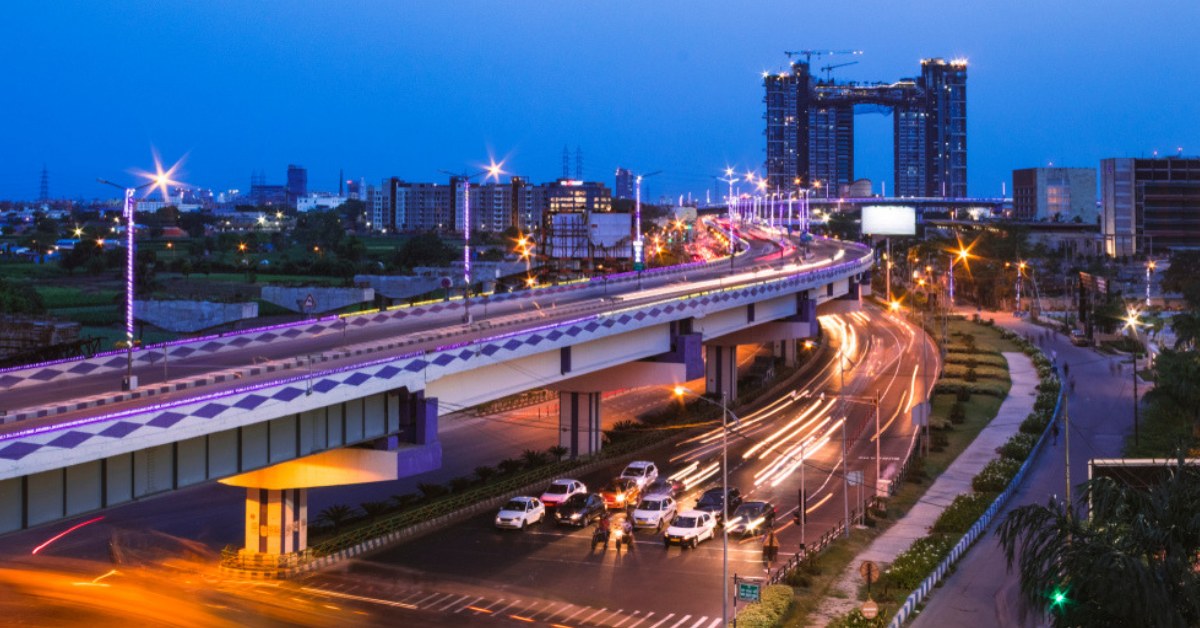
Kolkata could see wider economic benefits from a new financing framework between NABARD and NaBFID, as long-term capital is opened up for infrastructure with strong rural linkages. The development matters to the city because Kolkata’s economy is closely connected to its surrounding districts, where roads, storage, irrigation and logistics influence the flow of food, jobs and goods into the metropolitan region.
The two institutions have signed a memorandum of understanding to explore joint financing and advisory support for commercially viable infrastructure projects with significant rural impact. Areas identified include irrigation, water and sanitation, post-harvest storage, cold chains, rural roads, bridges, warehousing, terminal markets and compressed biogas projects.For Kolkata, the significance lies beyond the municipal boundary. The Kolkata Metropolitan Area stretches across Kolkata, Howrah, Hooghly, Nadia, North 24 Parganas and South 24 Parganas. Its urban economy depends on a much wider network of settlements and production areas that supply food, labour and materials to the metropolitan market.That makes rural infrastructure financing relevant to the city’s food and logistics systems. Better storage and cold-chain facilities can reduce delays and post-harvest losses before perishable produce reaches urban consumers. Research on West Bengal’s agricultural marketing infrastructure has also identified gaps in cold storage and related logistics despite the state’s substantial agricultural output.
The financing push also arrives as West Bengal continues to require investment in basic rural infrastructure. The state’s 2026–27 budget records 117 minor irrigation schemes completed with NABARD assistance during the financial year, while 489 additional schemes were under implementation. Together, these projects point to the scale of infrastructure required outside Kolkata to support agricultural productivity and rural livelihoods.NABARD’s wider infrastructure financing experience shows that such investment can extend into drinking water, connectivity, renewable energy, irrigation and storage. Its infrastructure programmes have supported thousands of kilometres of roads and bridges nationally, alongside large additions in irrigation and warehousing capacity.For Kolkata, the key question will be whether new financing produces infrastructure that is financially viable without encouraging inefficient land conversion or fragmented development on the metropolitan fringe. Urban planners increasingly view rural and peri-urban infrastructure as part of the same economic system rather than separate development categories.
The next test will therefore be implementation: identifying projects that improve rural incomes, strengthen Kolkata’s supply networks and build climate resilience while protecting productive land and natural systems. Effective coordination between finance, planning and local authorities will determine whether the new capital reaches communities and infrastructure gaps where it can create lasting value.