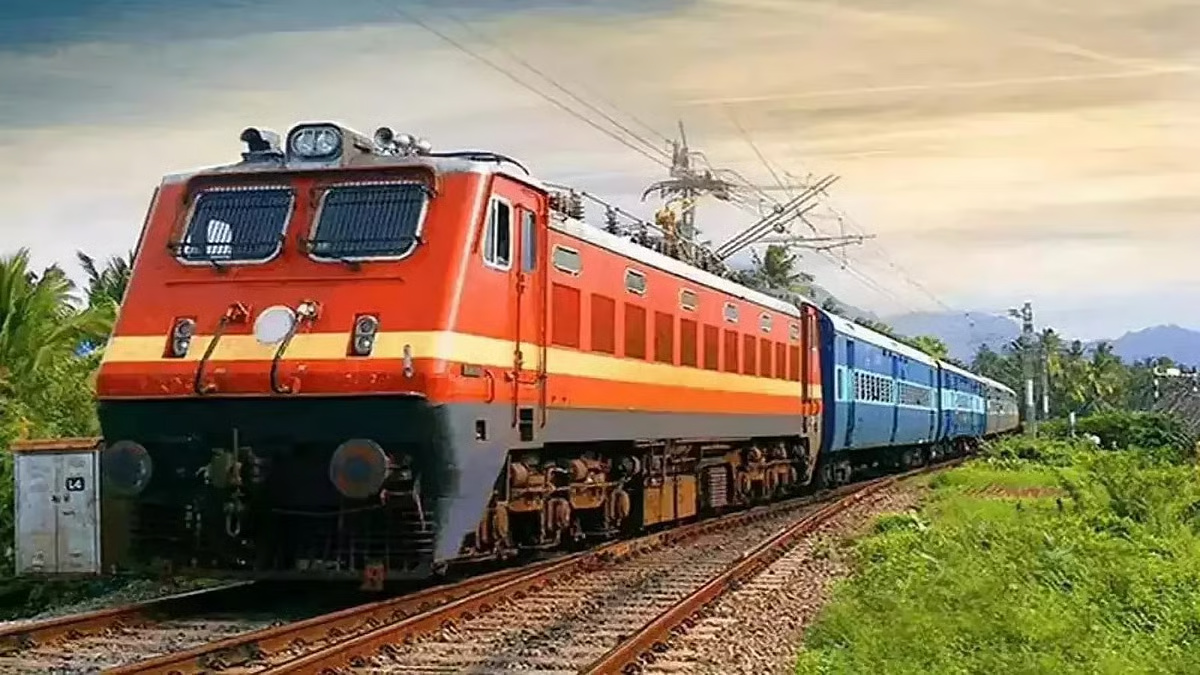
Mumbai’s railway infrastructure is entering another phase of intensive renewal, with work at Chhatrapati Shivaji Maharaj Terminus continuing to affect selected long-distance services while Pune Yard has completed a major track-strengthening intervention. The developments highlight a wider challenge for India’s busiest rail corridors: upgrading ageing and complex infrastructure without creating excessive disruption for passengers and freight movement. Central Railway has extended the traffic and power block at CSMT until September 5, 2026, as foundation and related infrastructure works continue around Platforms 16 and 17 as part of the terminus redevelopment. Four Mail and Express services will remain short-terminated during the extended period, with three ending at Dadar and another at Thane.
The affected services include the Howrah–CSMT Express, Amravati–CSMT Express and Madgaon–CSMT Tejas Express, which will terminate at Dadar. The Mangaluru–CSMT Express will terminate at Thane. For passengers, the immediate impact is a change in the final leg of journeys into South Mumbai, adding importance to clear interchange arrangements and predictable information during the construction period. The disruption is tied to works within one of Mumbai’s most important transport and heritage assets. CSMT redevelopment involves working around an operational railway environment, making sequencing and safety critical. Urban infrastructure specialists say such projects can deliver long-term capacity and passenger benefits, but their value depends partly on how effectively construction is managed around existing users. Meanwhile, Pune Yard has completed the conversion of its fourth Diamond Double Slip from 52 kg to 60 kg rails. A Diamond Double Slip is a specialised track junction that allows trains to move between intersecting routes in several directions. Strengthening this equipment can improve durability at a location where complex train movements place considerable demands on track infrastructure.
The nine-hour intervention on August 23 involved replacing rails, crossings, switch components, motors and other track fittings. The work was completed within the planned traffic and power block, allowing normal operations to resume afterwards. The Pune upgrade has significance beyond a single junction. Stronger track components can support more reliable yard operations and reduce the risk of infrastructure-related restrictions as passenger and freight activity grows. It also reflects a shift towards renewing critical components before deterioration becomes a larger operational constraint. Together, the two projects show the different pressures facing metropolitan rail systems. Mumbai must accommodate large-scale redevelopment while keeping services moving, whereas Pune is strengthening the underlying infrastructure that enables trains to be routed safely and efficiently.
For passengers, the measure of success will ultimately be straightforward: whether investment translates into dependable journeys, better capacity and fewer avoidable disruptions. The next priority will be completing construction with minimal passenger impact while ensuring upgraded assets remain resilient under growing demand.