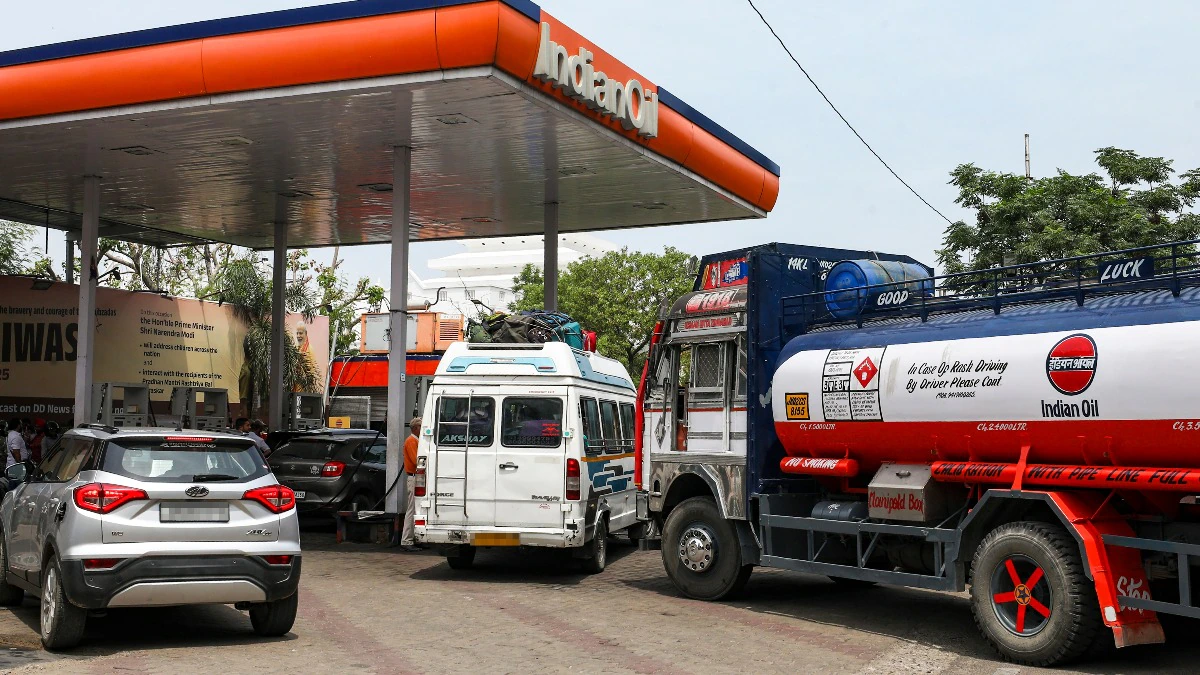
Kolkata’s petrol and diesel rates remained largely unchanged on August 28, keeping fuel costs elevated for motorists across the city. Petrol was priced at ₹113.51 per litre and diesel at ₹99.82 per litre, according to available fuel-price data. For a city dependent on road-based commuting, deliveries and commercial transport, prolonged price stability at a high level continues to influence household budgets and operating costs.
The latest Kolkata fuel prices come after a broader period of price stability. State-owned oil marketing companies last revised retail petrol and diesel rates on May 25, when petrol increased by ₹2.61 per litre and diesel by ₹2.71 per litre. Since then, Kolkata has largely seen little movement in pump prices.For households, the significance extends beyond the amount paid at filling stations. Fuel is an input into daily mobility, affecting private vehicle users, taxis, goods carriers and businesses that rely on road transport. Higher transport costs can gradually feed into the price of food, deliveries, construction materials and other goods moving through the metropolitan economy.Kolkata’s petrol rate also remains above ₹110 per litre, while diesel is just below the ₹100 mark. The difference between cities reflects more than crude oil prices. Central and state taxes, transport costs and local market conditions contribute to variations in retail rates across India.
The wider urban impact is particularly relevant as Kolkata seeks to manage congestion, emissions and the cost of mobility. Persistent dependence on private vehicles can increase both household transport expenditure and pressure on already crowded road networks. Public transport, walking and cycling infrastructure therefore have an economic dimension as well as an environmental one.For businesses, predictable fuel prices can make budgeting easier even when the underlying cost remains high. Logistics operators, small retailers and service providers can plan more effectively when sharp daily movements are absent. However, sustained elevated prices can still affect margins if transport-intensive businesses cannot pass the additional costs to customers.Global crude prices, the rupee-dollar exchange rate and taxation remain important variables for future retail rates. For Kolkata residents, the immediate picture is one of stability rather than relief.
The next shift in fuel prices will matter not only to motorists but also to the wider cost of moving people and goods across the city. A more resilient urban economy will increasingly depend on keeping mobility affordable while reducing its exposure to volatile fossil-fuel costs.