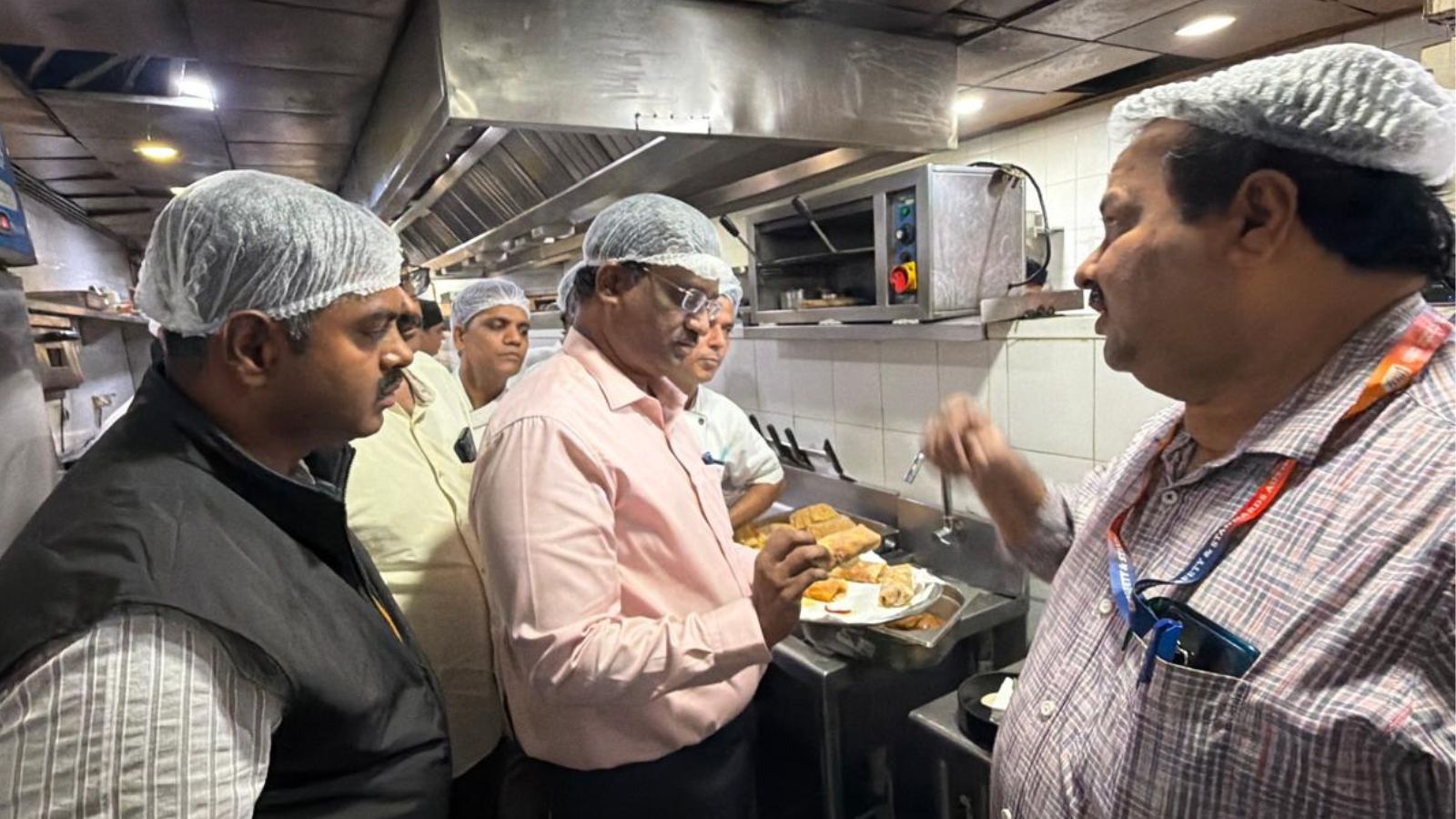
Bengaluru Club Kitchens Face Fresh Food Safety Questions
Food safety inspections at several prominent clubs in Bengaluru have uncovered hygiene violations, including cockroach infestations and expired food products, raising concerns about kitchen oversight in establishments that serve large numbers of members and guests. The findings also highlight the need for stronger routine monitoring as the city’s hospitality sector expands and increasingly caters to affluent and high-volume consumers.
The inspections were carried out by food safety authorities across multiple clubs in the city. Officials reportedly identified expired ingredients, poor storage practices and evidence of pest activity during checks. Such conditions can increase the risk of food contamination, particularly where raw materials, prepared food and waste are handled within the same kitchen environment.The findings are significant because club kitchens often operate at substantial scale, preparing meals for members, visitors and events. A lapse in storage temperature, stock rotation or pest control can therefore affect a large number of consumers. Expired products also point to weaknesses in inventory management rather than simply an isolated cleanliness issue. Food safety depends on more than visible kitchen hygiene.Restaurants, clubs and institutional kitchens need systematic controls covering procurement, storage, refrigeration, preparation, waste disposal and staff hygiene. Regular pest-control measures and documented checks are particularly important in warm and humid conditions, where pests can multiply rapidly.
For Bengaluru, the inspections also raise a wider regulatory question: whether periodic enforcement is sufficient to maintain standards between inspections. Food establishments are expected to comply with established safety requirements, but consistent internal monitoring is essential because authorities cannot continuously supervise every commercial kitchen.Consumers also have a role in the accountability chain. Clear information about food licences, inspection outcomes and complaint mechanisms can make it easier for customers to identify establishments that maintain stronger standards. Transparent enforcement can simultaneously protect consumers and encourage responsible businesses to invest in better food-handling systems. The issue extends beyond premium clubs. Bengaluru’s rapidly growing restaurant, catering and hospitality market means food safety needs to keep pace with the expansion of commercial food preparation. Poor hygiene can have direct health consequences while also undermining confidence in the city’s broader food economy.
The latest inspections should therefore be viewed as a prompt for stronger preventive systems rather than a one-time enforcement exercise. Regular audits, effective pest management, proper stock rotation and staff training remain basic requirements for any kitchen serving the public. For a growing city, reliable food safety is as much a part of urban quality of life as clean streets, safe buildings and dependable public infrastructure.