Bengaluru Water Supply Shutdown To Hit West Bengaluru
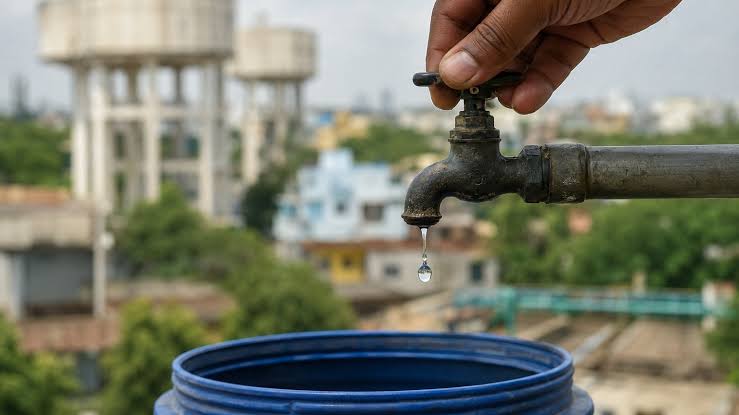
Several parts of west Bengaluru are set to face a temporary water supply disruption on August 28 as the city’s water utility undertakes scheduled infrastructure work. The shutdown will affect households and other users across multiple localities, making advance storage important while also highlighting the need for more resilient water networks as the city expands and demand continues to rise.
The planned Bengaluru water supply interruption is linked to maintenance-related work on the distribution network. Areas in western Bengaluru are expected to experience reduced or unavailable supply during the affected period, with normal service to resume after the work is completed. For residents, even a planned interruption can create practical challenges. Homes without adequate storage, apartment communities dependent on pumping systems and small businesses that require continuous water access can face disproportionate disruption. The impact is particularly significant in densely populated neighbourhoods where alternative sources are limited. Scheduled shutdowns are also an indication of the maintenance burden facing Bengaluru’s water infrastructure. The city’s expanding built-up area has increased pressure on distribution systems, while ageing pipelines and network upgrades require utilities to periodically isolate sections for repair or improvement. From an urban-planning perspective, such interruptions underline why water security cannot be treated only as a question of increasing supply.
Reducing leakage, improving pipeline efficiency, strengthening local storage and developing reliable monitoring systems can help utilities maintain service while undertaking essential works. The Bengaluru water supply network also needs to become more adaptable to extreme weather. Erratic rainfall patterns and longer dry periods can complicate both water availability and infrastructure management. Rainwater harvesting, treated wastewater reuse and decentralised systems can reduce pressure on freshwater sources, particularly in large residential and commercial developments. For citizens in the affected western neighbourhoods, the immediate priority is to conserve available water and plan essential household requirements before the interruption. Residents should also rely on official utility updates for restoration timings rather than assuming that supply will return simultaneously across every locality.
The disruption is temporary, but the broader issue is long-term. As Bengaluru continues to add housing, workplaces and infrastructure, dependable water delivery will increasingly become a measure of urban resilience. Planned maintenance is necessary, but the larger goal should be a network capable of absorbing repairs and upgrades without repeatedly placing the burden of infrastructure gaps on residents.