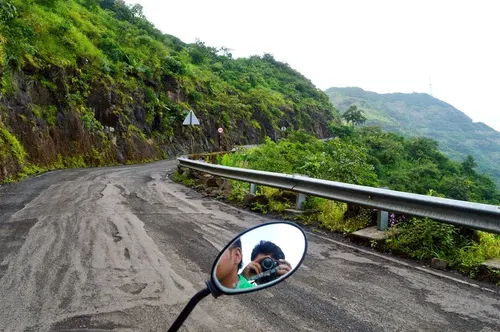
Pune’s western fringe is drawing renewed attention during the monsoon, as motorists and weekend travellers explore the landscape around Paud Road, Pirangut and Mulkhed. The route offers quick access to hills, valleys and viewpoints outside the city, but its growing recreational appeal also highlights the need to balance tourism with road safety and protection of fragile monsoon landscapes.
The Mulkhed viewpoint, locally referred to as a “Mini Necklace Point”, has become a popular stop for people travelling through the western outskirts. During the rainy season, surrounding hills turn green and temporary streams and cloud cover add to the visual appeal, making the location an accessible alternative to longer trips towards the Western Ghats. Its proximity to Pune is central to the attraction. Travellers can leave neighbourhoods such as Kothrud early in the morning, reach the western edge of the metropolitan area and return before peak weekday traffic builds. That accessibility is also what could make the area vulnerable to unmanaged visitor growth. The broader Paud Road corridor connects the city with settlements and rural areas around Pirangut and Mulshi. It is also an important movement corridor for residents, workers and businesses. As residential and commercial development expands westwards, leisure traffic is increasingly sharing roads with everyday commuters and local transport.
The monsoon adds another layer of risk. Sections of the Western Ghats around Pune can experience intense rainfall, landslides, road subsidence and temporary closures. The reopening of routes towards Tamhini after weather-related disruptions underlines the importance of checking road conditions before travelling, particularly during periods of heavy rain. For local economies, greater visitor interest can create opportunities for roadside food outlets, small businesses and rural tourism. Yet the benefits depend on whether infrastructure keeps pace. Parking, pedestrian safety, waste collection, drainage and emergency access are often less visible than scenic viewpoints but become critical as visitor numbers rise. Urban planners also point to the need for a wider approach to recreation around expanding cities. Short-distance nature trips can reduce the need for longer vehicle journeys, but the environmental gains are limited if popular destinations become dominated by private cars, roadside litter and uncontrolled construction.
For Pune, the western landscape represents more than a weekend escape. It is part of the ecological and economic transition zone between the expanding metropolitan area and the Western Ghats. Protecting that edge while allowing responsible public access will require better road management, safer viewpoints and stronger safeguards against insensitive development. The immediate attraction may be the monsoon scenery, but the longer-term challenge is ensuring that increased access does not erode the very landscape drawing people there.