Surat Infrastructure Projects Face A Tougher Delivery Test
Surat is entering a crucial phase of infrastructure expansion, with more than ₹18,800 crore of road, power and industrial projects announced or commissioned in 2026. The scale of investment is significant for a city whose economy depends heavily on manufacturing, trade and regional connectivity. But the bigger test now is whether these projects are delivered as coordinated urban systems rather than isolated construction packages.
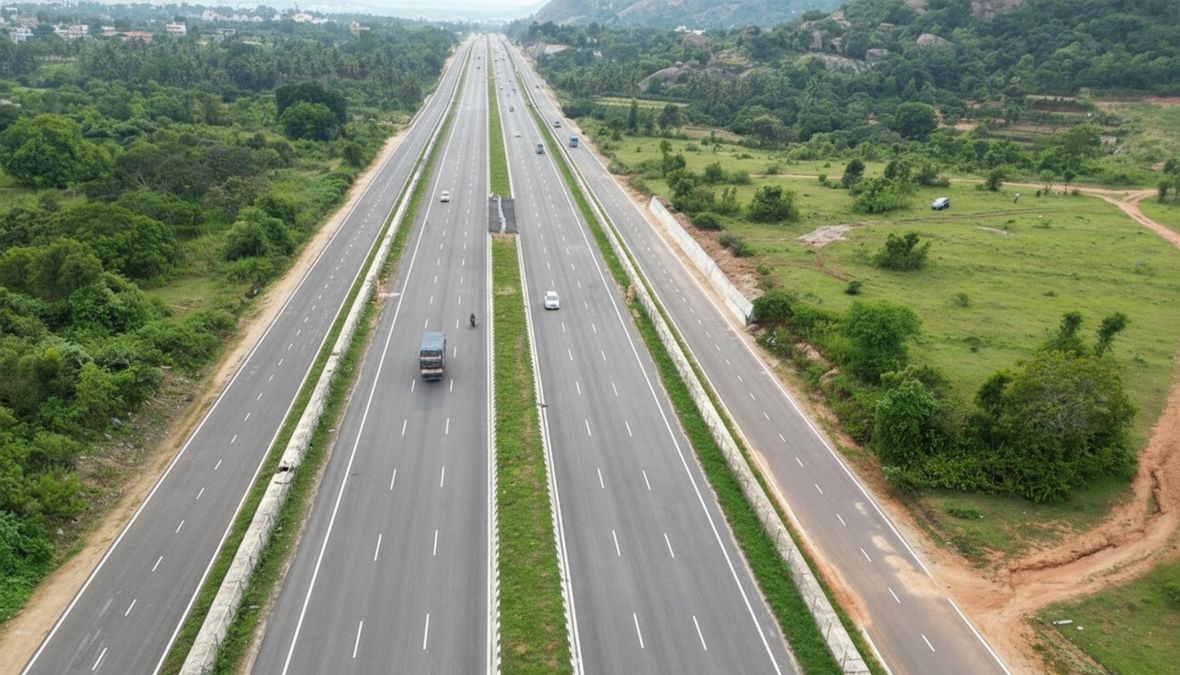
The issue has gained wider relevance after the 53rd PRAGATI meeting on August 25, where six infrastructure projects worth more than ₹30,000 crore across nine states were reviewed. The review focused on timely execution, coordination between agencies and treating major projects as integrated systems. Those principles are particularly relevant to Surat as its transport, industrial and utility networks expand together.Surat’s current pipeline includes the dedicated Packages VI and VII of the Vadodara-Mumbai Expressway, intended to strengthen high-speed links between Gujarat and Maharashtra. The city has also received new utility and industrial infrastructure, including transmission capacity intended to improve power evacuation. A 220-bed ESIC hospital was also inaugurated, adding a public-service component to the region’s infrastructure expansion.For Surat, the economic benefits will depend on how effectively these investments connect with existing neighbourhoods, employment centres and freight networks.
Faster regional roads can reduce travel and logistics times, but poorly coordinated growth can also increase pressure on local roads, land, drainage and public services. Urban planners increasingly view this type of coordination as essential when industrial expansion and residential development happen simultaneously.The environmental dimension is equally important. Infrastructure growth around Surat and its industrial belt brings greater demand for electricity, water, mobility and waste-management capacity. Recent projects in Gujarat’s industrial regions have included effluent-treatment and disposal infrastructure, showing how industrial expansion increasingly requires supporting environmental systems rather than relying only on production capacity.For residents, the measure of Surat infrastructure projects will ultimately be practical: shorter journeys, reliable utilities, better access to healthcare and safer connections between homes and workplaces. For businesses, predictable project delivery can reduce logistics uncertainty and support investment.
The immediate challenge is therefore not simply adding more infrastructure. It is ensuring that Surat infrastructure projects are completed on schedule, connected across agencies and designed to remain useful as the city grows. That will determine whether the current investment cycle translates into durable urban capacity rather than another layer of disconnected assets.