Kolkata Shipbuilding Expansion Brings New Industrial Jobs
Kolkata is set to see a major expansion of its maritime industrial footprint, with five brownfield projects worth about ₹3,500 crore being advanced across West Bengal. The programme includes new shipbuilding and repair infrastructure along the Hooghly and upgraded heavy-engineering facilities in Ishapore. For Kolkata, the investment could strengthen jobs and industrial supply chains, while also raising questions about how a larger working waterfront can coexist with a densely populated river city.
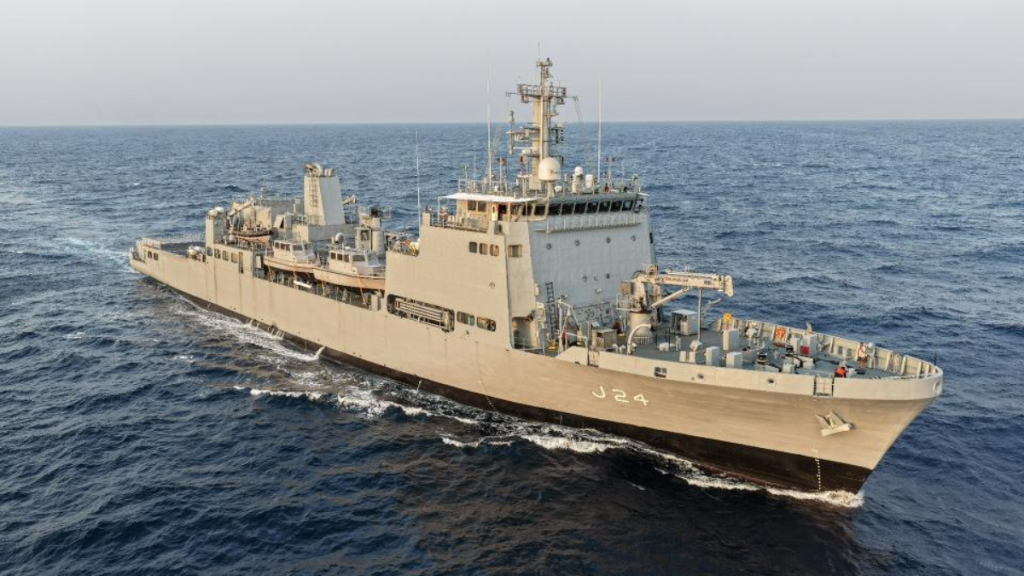
Three projects are linked to Garden Reach Shipbuilders and Engineers, with the principal maritime development planned at Raichak. The proposed site covers about 32 acres and is planned with a 356-metre waterfront, a 200-metre dry dock and facilities for building larger naval and commercial vessels. Two other Kolkata facilities at Shalimar and Kidderpore are expected to support repairs and the construction or maintenance of smaller vessels.The scale matters beyond shipyards. A larger maritime manufacturing network can generate demand for engineering firms, fabricators, logistics operators, maintenance contractors and smaller suppliers. It could also widen opportunities for local MSMEs if procurement systems allow smaller businesses to participate rather than concentrating the gains among large industrial contractors.For Kolkata, however, Kolkata shipbuilding expansion also intersects with the city’s environmental and infrastructure constraints.
More intensive activity along the Hooghly will require careful management of waterfront land, industrial traffic, dredging, waste, water quality and worker safety. The success of the investment will therefore depend not only on production capacity but on how efficiently industrial sites connect with roads, rail, ports and surrounding neighbourhoods.The wider programme includes more than ₹750 crore of investment at Yantra India’s Ishapore facilities, where new forging equipment is planned for strategic components used in defence, railways and nuclear applications. The modernisation is intended to replace ageing equipment and reduce dependence on imported specialised forgings.The projects also arrive as India seeks a larger role in global shipbuilding and maritime repair. For Kolkata, that ambition could reinforce its historic relationship with the Hooghly while creating a more diversified industrial economy.
Yet long-term value will depend on whether Kolkata shipbuilding expansion is matched by cleaner industrial systems, resilient waterfront planning, skilled employment and infrastructure that serves both industry and citizens.As construction moves ahead, the key test will be whether the investment creates a stronger maritime economy without adding pressure to the river ecosystem and surrounding urban fabric.