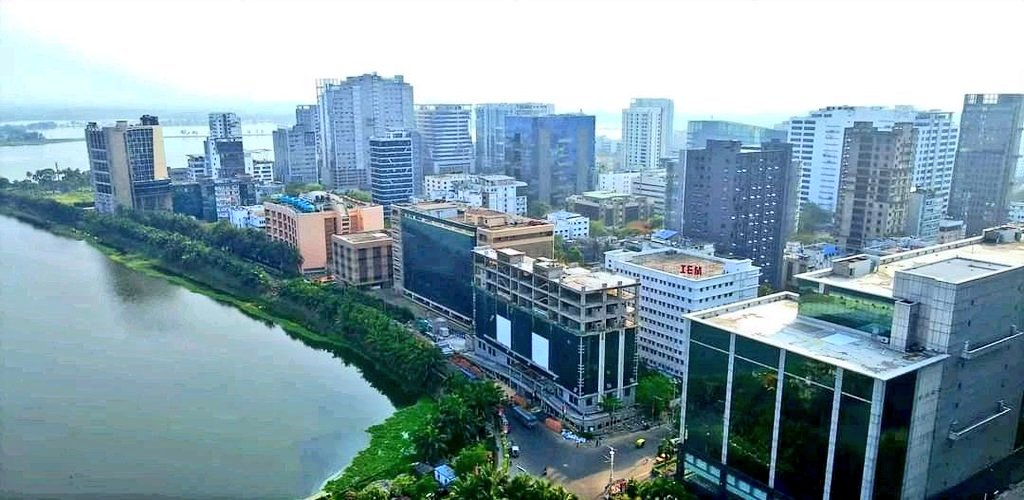
Kolkata Innovation Economy Gains National Attention
Kolkata is increasingly positioning itself as a major centre for technology-led growth, with a combination of lower operating costs, expanding infrastructure and a deep talent base drawing attention from businesses seeking alternatives to India’s established innovation hubs. The shift is significant not only for the city’s economy but also for the wider urban development landscape of eastern India, where balanced regional growth remains a long-standing challenge.
Over the past decade, the city has witnessed steady investment in digital services, information technology, start-up ecosystems and knowledge-based industries. Urban planners note that while Bengaluru, Hyderabad and Pune continue to dominate the technology sector, Kolkata is gradually strengthening its competitiveness through improved connectivity, institutional support and a growing pool of skilled graduates.The emergence of a stronger Kolkata innovation economy is also being supported by public infrastructure investments. Expansion of metro corridors, upgrades in transport networks and the development of commercial districts are helping improve mobility across the metropolitan region. Such improvements are increasingly important as companies evaluate cities not only on cost advantages but also on quality of life, workforce accessibility and long-term sustainability.Industry observers suggest that one of Kolkata’s key advantages lies in affordability. Commercial real estate costs remain comparatively lower than several leading technology centres, allowing businesses to reduce operational expenditure. For start-ups and mid-sized firms, this can create opportunities to scale without facing the intense cost pressures seen in more saturated markets.
The city’s academic ecosystem is another factor shaping the Kolkata innovation economy. Universities, engineering institutions and research centres continue to supply talent across sectors including software development, data analytics, biotechnology and advanced manufacturing. Experts argue that retaining this talent within the region could strengthen local employment generation and stimulate new entrepreneurial activity.At the same time, challenges remain. Industry stakeholders point to the need for faster project execution, greater availability of high-grade office space and stronger integration between academia, industry and government. Urban economists also stress that future growth must be accompanied by investments in climate resilience, public transport and inclusive housing to prevent the pressures often associated with rapid urban expansion.For citizens, the implications extend beyond corporate investment. A diversified economic base can support job creation, increase demand for urban services and attract fresh investment into housing, mobility and public infrastructure.
However, ensuring that growth remains equitable and environmentally responsible will be essential.As businesses continue to explore new locations beyond traditional technology centres, Kolkata’s ability to combine economic competitiveness with sustainable urban development could determine whether it emerges as one of India’s most influential growth destinations in the years ahead.